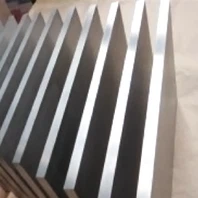
As a supplier of ASTM A537, I've witnessed firsthand the material's widespread use in various industries, especially in pressure vessels and storage tanks. ASTM A537 is a heat-treated carbon-manganese-silicon steel plate, known for its excellent strength and weldability. However, like any material, it has its limitations, and one of the most critical aspects to understand is its brittleness.
Understanding Brittleness in Materials
Before delving into the brittleness of ASTM A537, it's essential to understand what brittleness means in the context of materials science. Brittleness is a material's tendency to fracture or break without significant plastic deformation. In other words, a brittle material will fail suddenly under stress, often with little or no warning. This is in contrast to ductile materials, which can deform plastically before breaking.
The brittleness of a material is influenced by several factors, including its chemical composition, microstructure, temperature, and the rate of loading. For ASTM A537, these factors play a crucial role in determining its brittleness and, consequently, its suitability for specific applications.
Chemical Composition and Brittleness
The chemical composition of ASTM A537 is carefully controlled to achieve the desired mechanical properties. It typically contains carbon, manganese, silicon, and small amounts of other elements such as sulfur, phosphorus, and nickel. These elements can have a significant impact on the material's brittleness.
Carbon is one of the most important elements in ASTM A537. It increases the strength and hardness of the material but can also make it more brittle. As the carbon content increases, the material becomes more prone to cracking and fracture. Therefore, the carbon content in ASTM A537 is usually kept within a specific range to balance strength and brittleness.
Manganese is another important element in ASTM A537. It improves the material's strength and toughness and helps to reduce the brittleness caused by sulfur. Sulfur is a common impurity in steel, and it can form brittle sulfide inclusions that can act as crack initiation sites. Manganese combines with sulfur to form manganese sulfide, which is less brittle and more ductile than iron sulfide.
Silicon is added to ASTM A537 to improve its strength and hardness. It also helps to deoxidize the steel during the manufacturing process. However, excessive silicon content can increase the brittleness of the material. Therefore, the silicon content in ASTM A537 is carefully controlled to avoid this problem.
Microstructure and Brittleness
The microstructure of ASTM A537 also plays a crucial role in its brittleness. The microstructure is the arrangement of the different phases and constituents in the material. It is determined by the chemical composition, the manufacturing process, and the heat treatment.
ASTM A537 is typically heat-treated to achieve a fine-grained microstructure. A fine-grained microstructure is generally more ductile and less brittle than a coarse-grained microstructure. This is because the grain boundaries act as barriers to crack propagation, making it more difficult for cracks to grow and cause failure.
However, if the heat treatment is not properly controlled, the microstructure of ASTM A537 can become coarse-grained, which can increase its brittleness. Additionally, the presence of certain phases or constituents in the microstructure, such as martensite or bainite, can also increase the brittleness of the material.
Temperature and Brittleness
Temperature is another important factor that affects the brittleness of ASTM A537. At low temperatures, the material becomes more brittle and less ductile. This is known as the ductile-to-brittle transition temperature (DBTT). The DBTT is the temperature at which the material changes from a ductile to a brittle behavior.
The DBTT of ASTM A537 depends on several factors, including the chemical composition, the microstructure, and the rate of loading. Generally, materials with a higher carbon content and a coarser microstructure have a higher DBTT. Therefore, it's important to select the appropriate grade of ASTM A537 for applications that will be exposed to low temperatures.
In addition to the DBTT, the rate of loading also affects the brittleness of ASTM A537 at low temperatures. A high rate of loading can increase the brittleness of the material and lower the DBTT. This is because the material has less time to deform plastically before breaking.
Rate of Loading and Brittleness
The rate of loading is another important factor that affects the brittleness of ASTM A537. A high rate of loading can increase the brittleness of the material and lower the DBTT. This is because the material has less time to deform plastically before breaking.
In applications where the material is subjected to high rates of loading, such as in impact or shock loading, it's important to select a grade of ASTM A537 that has a low DBTT and good toughness. Additionally, the design of the component should take into account the rate of loading to ensure that the material is not overstressed.
Impact on Applications
The brittleness of ASTM A537 can have a significant impact on its performance in various applications. In applications where the material is subjected to low temperatures or high rates of loading, the brittleness can increase the risk of cracking and failure. Therefore, it's important to carefully consider the brittleness of ASTM A537 when selecting the material for a specific application.
For example, in pressure vessels and storage tanks, the brittleness of ASTM A537 can be a critical factor. These components are often subjected to high pressures and temperatures, and any cracking or failure can have serious consequences. Therefore, it's important to select a grade of ASTM A537 that has a low DBTT and good toughness to ensure the safety and reliability of the components.
In addition to pressure vessels and storage tanks, ASTM A537 is also used in other applications such as bridges, buildings, and machinery. In these applications, the brittleness of the material can also affect its performance and durability. Therefore, it's important to carefully consider the brittleness of ASTM A537 when designing and manufacturing these components.
Mitigating Brittleness
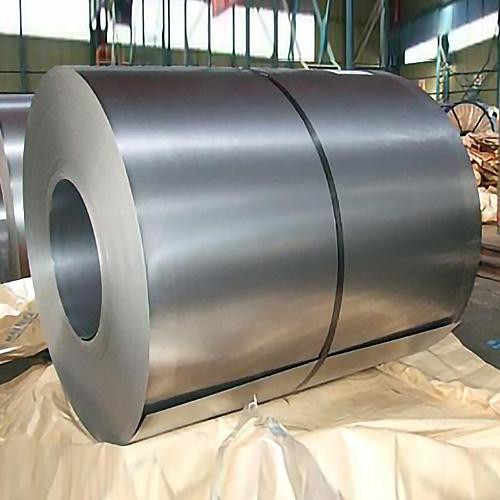
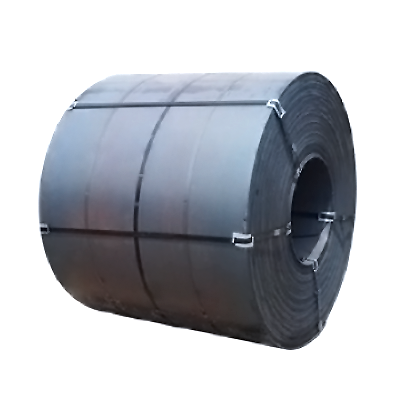
There are several ways to mitigate the brittleness of ASTM A537. One of the most effective ways is to select the appropriate grade of the material based on the specific application requirements. For applications that will be exposed to low temperatures or high rates of loading, a grade of ASTM A537 with a low DBTT and good toughness should be selected.
Another way to mitigate the brittleness of ASTM A537 is to control the manufacturing process and the heat treatment. A proper heat treatment can help to achieve a fine-grained microstructure, which can improve the material's ductility and toughness. Additionally, the manufacturing process should be carefully controlled to ensure that the material is free from defects and impurities that can increase its brittleness.
In some cases, it may also be necessary to use additional measures to mitigate the brittleness of ASTM A537. For example, in applications where the material is subjected to high rates of loading, a shock absorber or a damping device can be used to reduce the impact force and prevent cracking and failure.
Conclusion
In conclusion, the brittleness of ASTM A537 is an important factor to consider when selecting the material for a specific application. The brittleness of the material is influenced by several factors, including its chemical composition, microstructure, temperature, and the rate of loading. By understanding these factors and taking appropriate measures to mitigate the brittleness, it's possible to ensure the safety and reliability of the components made from ASTM A537.
As a supplier of ASTM A537, we are committed to providing our customers with high-quality materials that meet their specific requirements. We have a wide range of grades and sizes of ASTM A537 available, and our technical team can help you select the appropriate material for your application. If you are interested in purchasing ASTM A537 or have any questions about its brittleness or other properties, please contact us for more information. We look forward to working with you to meet your needs.
When considering alternative materials, you might also be interested in ASTM A537CL2 SA285GrB, P335GH, and SA285GrA. These materials also have their own unique properties and applications, and our team can provide detailed information to help you make the best choice.
References
- ASM Handbook, Volume 1: Properties and Selection: Irons, Steels, and High-Performance Alloys. ASM International.
- ASTM International. Standard Specification for Pressure Vessel Plates, Heat-Treated, Carbon-Manganese-Silicon Steel. ASTM A537/A537M - 18.
- Metals Handbook Desk Edition, Second Edition. ASM International.