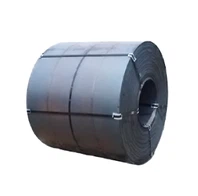
Hey there! As a wear steel plate supplier, I've seen my fair share of worn - out steel plates. Knowing when to replace a worn steel plate is crucial for the safety and efficiency of your operations. In this blog, I'm gonna break down the signs that indicate it's time to swap out that old steel plate for a new one.
1. Visible Wear and Tear
The most obvious sign is, well, visible wear. You can usually spot this just by taking a good look at the steel plate. If you see deep grooves, scratches, or pitting on the surface, it's a red flag. These surface damages not only weaken the structural integrity of the plate but can also affect its performance. For example, in a conveyor system, a worn - out steel plate with deep grooves can cause the conveyed materials to get stuck or move unevenly, leading to inefficiencies.
Another thing to look out for is thinning of the plate. Over time, continuous abrasion can cause the steel plate to lose thickness. You can use a thickness gauge to measure the plate's thickness at different points. If the thickness has dropped below the recommended minimum for your application, it's definitely time for a replacement.
2. Decreased Performance
When a steel plate starts to wear out, its performance can take a nosedive. Let's say you're using a wear steel plate in a mining operation, where it's constantly exposed to abrasive rocks and minerals. As the plate wears, it may not be able to withstand the impact and abrasion as well as it used to. You might notice that the equipment is working harder to achieve the same results, or there's a decrease in productivity.
In some cases, the wear can also lead to increased noise and vibration. For instance, in a crushing machine, a worn steel plate can cause the machine to vibrate more than normal, which not only indicates a problem with the plate but can also put additional stress on other parts of the equipment.
3. Cracks and Fractures
Cracks and fractures are serious signs that a steel plate needs to be replaced. These can occur due to a combination of factors, such as excessive stress, fatigue, or corrosion. Even small cracks can quickly grow and spread, especially under high - stress conditions.
Inspect the steel plate regularly for any signs of cracking. Pay special attention to areas where there are welds or joints, as these are often the weak points. If you find a crack, don't ignore it. A cracked steel plate can fail suddenly, which can be extremely dangerous, especially in applications where the plate is supporting heavy loads or is part of a critical system.
4. Corrosion
Corrosion is another major culprit when it comes to steel plate wear. Exposure to moisture, chemicals, or harsh environments can cause the steel to rust and corrode. Corrosion not only eats away at the surface of the plate but can also weaken its internal structure.
You can easily spot corrosion by looking for rust, discoloration, or flaking on the plate's surface. If the corrosion has penetrated deep into the plate, it can significantly reduce its strength and durability. In some cases, the corroded areas may become so weak that they start to break off, which is a clear indication that the plate needs to be replaced.

5. Increased Maintenance Requirements
If you find yourself constantly having to perform maintenance on a particular steel plate, it's a sign that it's on its last legs. Frequent repairs, such as welding patches or replacing small parts, can be a temporary fix, but they often indicate that the plate is no longer in good condition.
Each time you perform maintenance, it's also an opportunity to assess the overall condition of the plate. If the maintenance tasks are becoming more frequent and complex, it's probably more cost - effective in the long run to replace the plate rather than keep patching it up.
Our Wear Steel Plate Offerings
As a wear steel plate supplier, we offer a range of high - quality products to meet your needs. For example, our NM400 Abrasion Plate is known for its excellent abrasion resistance and is suitable for a variety of applications, such as mining, construction, and agriculture.
If you need a plate with even higher wear resistance, our NM500 Wear Steel Plate is a great choice. It has a higher hardness level, which makes it more durable and long - lasting, especially in harsh environments.
And for the most extreme applications, our NM550 is designed to withstand the toughest conditions. It offers superior wear resistance and can handle high - impact loads without compromising on performance.
Conclusion
Knowing the signs that a worn steel plate needs to be replaced is essential for the smooth operation of your business. By keeping an eye out for visible wear, decreased performance, cracks, corrosion, and increased maintenance requirements, you can ensure that you replace the plate at the right time.
If you're in the market for a new wear steel plate, don't hesitate to reach out. We're here to help you find the perfect solution for your specific application. Whether you need a standard size or a custom - made plate, we've got you covered. Contact us today to start the conversation and get a quote for your next project.
References
- "Steel Plate Handbook: Properties, Applications, and Maintenance"
- Industry reports on wear steel plate performance and replacement guidelines.