Hey there! As a supplier of Pressure Vessel Plate, I've been getting a lot of questions about the welding requirements for these plates. So, I thought I'd put together this blog post to share some insights on what you need to know when it comes to welding Pressure Vessel Plates.
First off, let's talk about why welding requirements are so important for pressure vessels. Pressure vessels are used to store and transport fluids or gases under pressure, which means they need to be extremely reliable and safe. Any flaws in the welding can lead to leaks, cracks, or even catastrophic failures, which can have serious consequences. That's why there are strict regulations and standards in place to ensure that pressure vessel welding is done correctly.
Material Considerations
One of the key factors in welding Pressure Vessel Plates is the type of material you're working with. Different materials have different properties, and these properties can affect the welding process. For example, some materials may be more prone to cracking during welding, while others may require pre - heating or post - weld heat treatment.
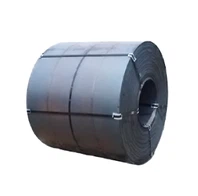
We offer a variety of Pressure Vessel Plates, such as ASTM A537CL2 SA285GrB, SA516GR70, and SA387GR11 A387 steel plate. Each of these materials has its own unique characteristics.
ASTM A537CL2 SA285GrB is a low - carbon steel plate that is commonly used in pressure vessel applications. It has good weldability, but it's important to control the welding parameters to avoid issues like porosity and lack of fusion.
SA516GR70 is another popular choice for pressure vessels. It has excellent notch toughness and is suitable for use in low - temperature environments. When welding SA516GR70, you need to pay attention to the heat input to prevent over - heating and maintain the mechanical properties of the material.

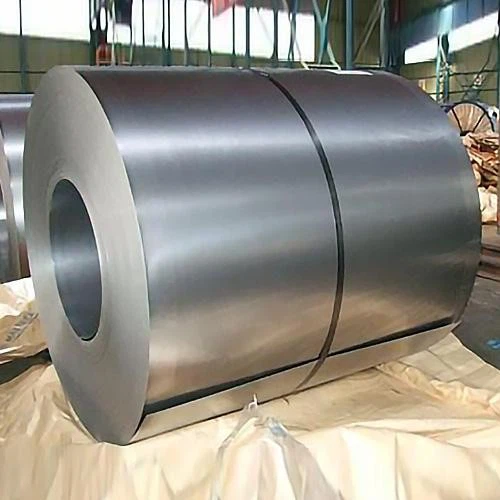
SA387GR11 A387 steel plate is a chromium - molybdenum alloy steel. This type of steel requires pre - heating before welding to reduce the risk of cracking. Post - weld heat treatment is also often necessary to relieve stress and improve the long - term performance of the weld.
Welding Process Selection
The choice of welding process is also crucial. There are several welding processes available, such as shielded metal arc welding (SMAW), gas metal arc welding (GMAW), and submerged arc welding (SAW).
SMAW is a versatile process that is often used for small - scale pressure vessel fabrication. It's relatively easy to set up and can be used in various positions. However, it has a lower deposition rate compared to some other processes.
GMAW is a fast and efficient welding process. It offers good control over the weld bead shape and size. But it requires a shielding gas, and the quality of the weld can be affected by factors like gas flow rate and electrode wire feed speed.
SAW is a high - productivity welding process that is commonly used for large - scale pressure vessel manufacturing. It provides deep penetration and high - quality welds. However, it's mainly suitable for flat or horizontal fillet welds.
Welding Procedure Specification (WPS)
A Welding Procedure Specification (WPS) is a detailed document that outlines the specific parameters and procedures for welding a particular material. It includes information such as the welding process, electrode type, pre - heating temperature, welding current, voltage, and travel speed.
Before starting any welding work on pressure vessels, a qualified WPS must be developed and approved. This ensures that the welds will meet the required quality standards. The WPS should be based on welding procedure qualification tests (PQT) to prove that the proposed welding procedure can produce sound welds.
Welder Qualification
Not just any welder can work on pressure vessels. Welders need to be qualified according to relevant standards. Qualification typically involves passing a practical welding test and demonstrating their ability to produce high - quality welds.
The qualification process includes factors such as the type of welding process, the position of the weld (e.g., flat, horizontal, vertical, overhead), and the type of material being welded. Once a welder is qualified, their skills need to be maintained through regular practice and periodic re - qualification.
Inspection and Testing
After welding, thorough inspection and testing are essential. Non - destructive testing (NDT) methods are commonly used to detect any internal or surface defects in the welds. Some of the NDT methods include ultrasonic testing (UT), radiographic testing (RT), magnetic particle testing (MT), and liquid penetrant testing (PT).
UT is used to detect internal flaws such as cracks and lack of fusion. RT can provide a detailed image of the internal structure of the weld. MT is mainly used for detecting surface and near - surface defects in ferromagnetic materials, while PT is used to detect surface - open defects.
In addition to NDT, destructive testing may also be required in some cases. This can involve cutting samples from the weld and conducting mechanical tests such as tensile tests, bend tests, and impact tests to evaluate the mechanical properties of the weld.
Quality Assurance and Control
Maintaining a high level of quality assurance and control throughout the welding process is vital. This includes proper storage and handling of the Pressure Vessel Plates before welding to prevent corrosion and damage.
During welding, strict control of the welding parameters is necessary to ensure consistent weld quality. Records should be kept of all welding activities, including the WPS used, welder qualifications, and inspection results. This documentation is important for traceability and to demonstrate compliance with regulatory requirements.
Cost Considerations
When it comes to welding Pressure Vessel Plates, cost is also a factor. The cost of welding includes not only the cost of labor and materials but also the cost of equipment, inspection, and testing.
Using the right welding process and materials can help optimize costs. For example, choosing a high - productivity welding process like SAW for large - scale projects can reduce labor costs. And selecting the appropriate material can prevent costly rework due to welding defects.
Conclusion
In conclusion, welding Pressure Vessel Plates requires careful consideration of many factors, including material properties, welding process selection, WPS development, welder qualification, inspection, and quality control. By following the proper procedures and standards, we can ensure that the pressure vessels we produce are safe, reliable, and meet the required performance criteria.
If you're in the market for Pressure Vessel Plates or have any questions about the welding requirements, feel free to reach out. We're here to assist you in finding the right solutions for your pressure vessel projects. Whether you need advice on material selection, welding process optimization, or just want to discuss your specific needs, don't hesitate to get in touch for a procurement discussion.
References
- American Society of Mechanical Engineers (ASME) Boiler and Pressure Vessel Code
- American Welding Society (AWS) standards
- Material data sheets provided by steel manufacturers