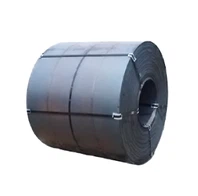
Hey there! As a supplier of Pipe Line Plate, I often get asked about the surface roughness requirements for these plates. It's a crucial aspect that can significantly impact the performance and longevity of pipelines. So, let's dive right into it and explore what these requirements are all about.
First off, what exactly is surface roughness? Well, it refers to the microscopic irregularities on the surface of the Pipe Line Plate. These irregularities can be caused by various factors during the manufacturing process, such as rolling, machining, or corrosion. Surface roughness is typically measured in micrometers (μm) and is an important parameter to consider when it comes to the quality and functionality of the pipe line plates.
Why Surface Roughness Matters
The surface roughness of Pipe Line Plates plays a vital role in several aspects of pipeline operation. Here are some key reasons why it's so important:
1. Flow Efficiency
A smooth surface reduces friction between the fluid flowing through the pipeline and the inner wall of the pipe. This, in turn, improves the flow efficiency, allowing the fluid to move more freely and with less energy consumption. On the other hand, a rough surface can cause turbulence and increase the pressure drop, leading to higher pumping costs and reduced overall efficiency.
2. Corrosion Resistance
A smooth surface is less prone to corrosion compared to a rough one. Rough surfaces can trap moisture, chemicals, and other corrosive agents, creating an ideal environment for corrosion to occur. By maintaining a low surface roughness, we can minimize the risk of corrosion and extend the lifespan of the pipeline.
3. Weldability
When joining Pipe Line Plates through welding, the surface roughness can affect the quality of the weld. A smooth surface ensures better contact between the plates, resulting in stronger and more reliable welds. Rough surfaces, on the other hand, can cause gaps and unevenness, leading to weld defects and potential failure points.
4. Coating Adhesion
Many Pipe Line Plates are coated with protective layers to enhance their corrosion resistance and durability. A smooth surface provides better adhesion for these coatings, ensuring that they stay in place and provide long-lasting protection. Rough surfaces can prevent the coating from adhering properly, leading to peeling, flaking, and reduced effectiveness.

Surface Roughness Requirements
The surface roughness requirements for Pipe Line Plates can vary depending on several factors, including the type of pipeline, the fluid being transported, and the operating conditions. However, there are some general guidelines and standards that are commonly followed in the industry.
ASTM Standards
The American Society for Testing and Materials (ASTM) has established several standards for surface roughness measurement and requirements for various types of steel products, including Pipe Line Plates. For example, ASTM A537 specifies the surface roughness requirements for pressure vessel plates, which can also be applied to Pipe Line Plates in some cases.
According to ASTM A537, the maximum surface roughness for the finished plates should not exceed 125 micro - inches (3.2 μm). This ensures a relatively smooth surface that meets the requirements for most pipeline applications.
ISO Standards
The International Organization for Standardization (ISO) also has standards related to surface roughness. ISO 4287 provides guidelines for the measurement and assessment of surface texture, including roughness. While ISO standards are more general in nature, they can be used as a reference when determining the appropriate surface roughness for Pipe Line Plates.
Industry - Specific Requirements
In addition to the general standards, some industries may have their own specific requirements for surface roughness. For example, the oil and gas industry often has strict requirements for the surface roughness of pipelines used to transport crude oil, natural gas, or other hazardous materials. These requirements are in place to ensure the safety and reliability of the pipelines and to prevent leaks and spills.
Measuring Surface Roughness
There are several methods available for measuring the surface roughness of Pipe Line Plates. Some of the most common methods include:
Profilometry
Profilometry is a widely used method for measuring surface roughness. It involves using a stylus or a laser to trace the surface of the plate and measure the height variations. The data collected is then analyzed to calculate the surface roughness parameters, such as Ra (arithmetical mean deviation of the profile), Rz (maximum height of the profile), etc.
Optical Methods
Optical methods, such as confocal microscopy and white - light interferometry, can also be used to measure surface roughness. These methods offer non - contact measurement, which is particularly useful for measuring delicate or complex surfaces. They provide high - resolution images of the surface and can accurately measure the surface roughness parameters.
Our Products and Surface Roughness
At our company, we understand the importance of meeting the surface roughness requirements for Pipe Line Plates. That's why we have strict quality control measures in place throughout the manufacturing process to ensure that our plates meet or exceed the industry standards.
We offer a wide range of Pipe Line Plates, including LX56 Pipe Line Plate X60, LX80, and LX46 Pipe Line Plate X46. All of our plates are carefully inspected for surface roughness using state - of - the - art measurement equipment.
Our manufacturing process is designed to produce plates with a smooth surface finish. We use advanced rolling and finishing techniques to minimize the surface irregularities and achieve the desired surface roughness. Whether you need plates for a small - scale pipeline project or a large - scale industrial application, we can provide you with high - quality Pipe Line Plates that meet your specific requirements.
Contact Us for Procurement
If you're in the market for Pipe Line Plates and have questions about surface roughness or any other aspect of our products, don't hesitate to get in touch. We're here to help you find the right solution for your pipeline needs. Whether you're a contractor, an engineer, or a project manager, we can work with you to ensure that you get the best - quality Pipe Line Plates at a competitive price.
Contact us today to start the procurement process and discuss your requirements. We look forward to working with you and helping you build reliable and efficient pipelines.
References
- American Society for Testing and Materials (ASTM). ASTM A537 - 19 Standard Specification for Pressure Vessel Plates, Heat - Treated, Carbon - Manganese - Silicon Steel.
- International Organization for Standardization (ISO). ISO 4287:1997 Geometrical Product Specifications (GPS) - Surface texture: Profile method - Terms, definitions and surface texture parameters.