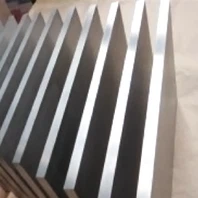
Hey there! I'm an ASTM A537 supplier, and today I want to chat about how the phosphorus content affects the properties of ASTM A537.
First off, let's get a bit of background on ASTM A537. It's a standard specification for pressure vessel plates, heat-treated, carbon - manganese - silicon steel. This steel is commonly used in the construction of pressure vessels, storage tanks, and other structures that need to withstand high pressure and various environmental conditions.
Now, phosphorus is one of those elements that can have a pretty big impact on the properties of ASTM A537. Phosphorus is often considered an impurity in steel, but it's also present in small amounts in most steels. In ASTM A537, the maximum allowable phosphorus content is usually specified in the standard.
Effects on Strength
One of the main ways phosphorus affects ASTM A537 is in terms of strength. Phosphorus has a tendency to solid - solution strengthen the steel. When phosphorus atoms are dissolved in the iron lattice of the steel, they can impede the movement of dislocations. Dislocations are basically defects in the crystal structure of the metal, and their movement is what allows the metal to deform plastically.
By impeding the movement of dislocations, phosphorus makes it harder for the steel to deform. This means that as the phosphorus content increases, the yield strength and ultimate tensile strength of ASTM A537 tend to go up. However, this increase in strength comes with a trade - off.
Effects on Ductility
The downside of the increased strength due to phosphorus is a reduction in ductility. Ductility is the ability of a material to deform plastically before fracturing. As the phosphorus content rises, the steel becomes more brittle. This is because phosphorus segregates to the grain boundaries of the steel. Grain boundaries are the interfaces between different grains in the polycrystalline structure of the steel.
When phosphorus accumulates at the grain boundaries, it weakens the bonding between the grains. So, when the steel is subjected to stress, instead of deforming plastically, it's more likely to crack along the grain boundaries. This can be a big problem in applications where the pressure vessel or structure made from ASTM A537 needs to be able to withstand some deformation without failing.
Effects on Weldability
Weldability is another important property of ASTM A537, especially since many pressure vessels and structures are assembled by welding. Phosphorus can have a negative impact on weldability. High phosphorus content can lead to the formation of hard and brittle microstructures in the heat - affected zone (HAZ) of the weld.
The HAZ is the area of the base metal that is affected by the heat of the welding process but not melted. In this zone, the rapid heating and cooling during welding can cause the phosphorus - rich regions to form brittle phases. These brittle phases can make the weld joint more prone to cracking, both during the welding process and during service.
Effects on Toughness
Toughness is the ability of a material to absorb energy before fracturing. Similar to its effect on ductility, an increase in phosphorus content generally reduces the toughness of ASTM A537. The segregation of phosphorus at the grain boundaries and the formation of brittle phases can cause the steel to fracture in a more brittle manner, absorbing less energy in the process.
In applications where the pressure vessel may be subjected to impact loads or dynamic stresses, low toughness can be a serious issue. For example, in a pressure vessel that may experience sudden pressure changes or vibrations, a lack of toughness can lead to catastrophic failure.
Controlling Phosphorus Content
As a supplier of ASTM A537, we pay close attention to the phosphorus content in our steel. We work with our steel mills to ensure that the phosphorus content is within the specified limits of the ASTM A537 standard. This involves careful control of the raw materials used in the steel - making process and strict quality control during production.
By keeping the phosphorus content in check, we can produce ASTM A537 with the right balance of strength, ductility, weldability, and toughness. This ensures that our customers get a high - quality product that meets their specific requirements for their pressure vessel and structural applications.
Related Products
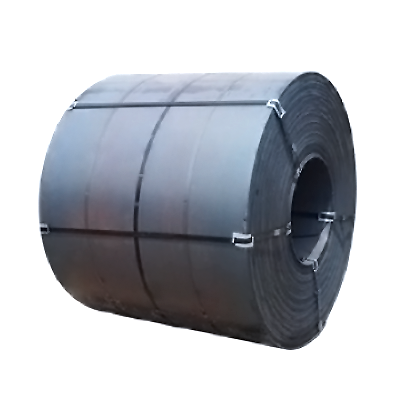
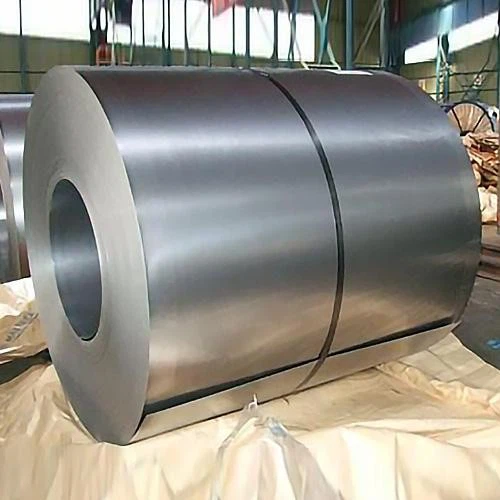
If you're interested in other related steel products, we also offer SA387GR11 A387 steel plate and SA285GrC A387GR11CL2. These products are also widely used in pressure vessel and related industries. And of course, our ASTM A537CL2 SA285GrB is another great option for your projects.
Conclusion
In conclusion, the phosphorus content in ASTM A537 has a significant impact on its properties. While a small amount of phosphorus can contribute to increased strength, too much can lead to reduced ductility, poor weldability, and low toughness. As a supplier, we understand the importance of controlling the phosphorus content to provide our customers with a high - quality product.
If you're in the market for ASTM A537 or any of our other related products, don't hesitate to reach out. We're here to help you find the right steel for your specific needs and answer any questions you may have. Whether you're building a small pressure vessel or a large industrial structure, we've got the materials and expertise to support your project.
References
- ASM Handbook, Volume 1: Properties and Selection: Irons, Steels, and High - Performance Alloys.
- ASTM International standards for ASTM A537 steel.