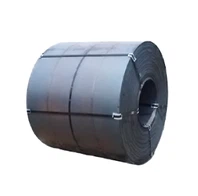
As a supplier of vessel plate A516GR70, I understand the importance of providing comprehensive information about the precautions for cold-forming this material. Cold-forming is a critical process in the manufacturing of pressure vessels, and taking the right precautions can ensure the quality and safety of the final product. In this blog post, I will discuss the key precautions that should be taken when cold-forming vessel plate A516GR70.
Understanding Vessel Plate A516GR70
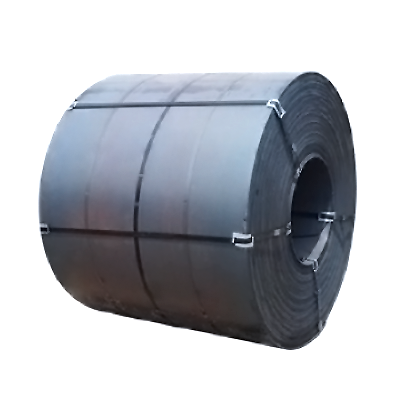
Before delving into the precautions for cold-forming, it's essential to have a basic understanding of vessel plate A516GR70. This material is a carbon steel plate commonly used in the fabrication of pressure vessels operating at moderate temperatures. It offers excellent notch toughness and is suitable for applications where welding and forming are required. The A516GR70 grade is known for its high strength and good ductility, making it a popular choice in the industry.
Pre-Cold-Forming Precautions
Material Inspection
Before starting the cold-forming process, a thorough inspection of the vessel plate A516GR70 is necessary. Check for any surface defects such as cracks, scratches, or laminations. These defects can propagate during cold-forming and compromise the integrity of the final product. Use non-destructive testing methods like ultrasonic testing or magnetic particle inspection to detect internal defects. Additionally, verify the material's chemical composition and mechanical properties against the relevant standards to ensure it meets the requirements for cold-forming.
Stress Relief
If the plate has been previously subjected to significant stress, such as during cutting or machining, it may be necessary to perform stress relief heat treatment before cold-forming. Residual stresses can cause uneven deformation during cold-forming and lead to cracking. Stress relief can be achieved by heating the plate to a specific temperature and holding it for a certain period, followed by slow cooling. This process helps to reduce internal stresses and improve the formability of the material.
Tooling and Equipment
Ensure that the tooling and equipment used for cold-forming are in good condition and suitable for the material. The dies, punches, and other forming tools should be properly designed and maintained to prevent damage to the plate. The equipment should have sufficient capacity to handle the forming operation without overloading. Regularly inspect and lubricate the tooling to minimize friction and wear, which can affect the quality of the formed part.
Cold-Forming Process Precautions
Forming Speed
The forming speed plays a crucial role in the cold-forming of vessel plate A516GR70. A slow and controlled forming speed is generally recommended to allow the material to deform gradually and avoid excessive stress concentration. Rapid forming can cause the material to harden and become brittle, increasing the risk of cracking. Monitor the forming speed closely and adjust it as needed based on the thickness and properties of the plate.
Deformation Limit
It's important to stay within the material's deformation limit during cold-forming. Exceeding the recommended deformation can lead to cracking, wrinkling, or other defects. Refer to the material's technical data sheet or consult with a materials engineer to determine the maximum allowable deformation for A516GR70. Use appropriate forming techniques and equipment to ensure that the deformation is evenly distributed across the plate.
Lubrication
Proper lubrication is essential during cold-forming to reduce friction between the plate and the tooling. Lubricants can help to prevent galling, scoring, and other surface damage, as well as improve the formability of the material. Choose a lubricant that is compatible with the material and the forming process. Apply the lubricant evenly to the surface of the plate and the tooling before starting the forming operation.
Post-Cold-Forming Precautions
Inspection
After cold-forming, conduct a detailed inspection of the formed part to check for any defects. Look for cracks, wrinkles, or other signs of damage. Use non-destructive testing methods to detect internal defects. If any defects are found, they should be repaired or the part should be rejected.
Heat Treatment
Depending on the application and the degree of cold-forming, post-forming heat treatment may be required. Heat treatment can help to relieve residual stresses, improve the material's mechanical properties, and restore its ductility. Common post-forming heat treatments include normalizing, annealing, or stress relieving. Consult with a materials engineer to determine the appropriate heat treatment process for the specific application.

Corrosion Protection
Once the cold-forming and heat treatment processes are complete, it's important to protect the vessel plate A516GR70 from corrosion. Apply a suitable corrosion protection coating to the surface of the formed part to prevent rust and other forms of corrosion. The coating should be selected based on the operating environment and the expected service life of the vessel.
Additional Considerations
Environmental Factors
The environment in which the cold-forming process takes place can also affect the quality of the formed part. High humidity, extreme temperatures, or the presence of contaminants can all have a negative impact on the material's properties and the forming process. Control the environmental conditions as much as possible to ensure consistent results.
Operator Training
Proper operator training is essential for the successful cold-forming of vessel plate A516GR70. Operators should be familiar with the material's properties, the cold-forming process, and the safety procedures. Provide comprehensive training to the operators and ensure that they follow the recommended guidelines and best practices.
Conclusion
Cold-forming vessel plate A516GR70 requires careful planning and attention to detail. By taking the appropriate precautions before, during, and after the cold-forming process, you can ensure the quality and safety of the final product. As a supplier of vessel plate A516GR70, I am committed to providing high-quality materials and technical support to our customers. If you have any questions or need further information about cold-forming A516GR70 or other related products such as High Strength Plate, S355JO, or NM450 Abrasion Resistant Wear Plates, please feel free to contact us for a detailed discussion and procurement opportunities.
References
- ASTM A516/A516M - Standard Specification for Pressure Vessel Plates, Carbon Steel, for Moderate- and Lower-Temperature Service
- ASME Boiler and Pressure Vessel Code, Section VIII, Division 1 - Rules for Construction of Pressure Vessels
- Metals Handbook, Volume 14: Forming and Forging