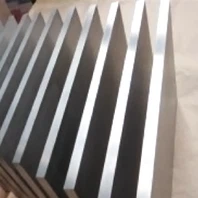
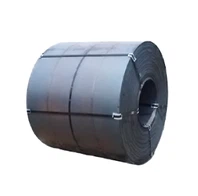
When it comes to pipeline plate, choosing the right coating is crucial for ensuring its longevity, performance, and resistance to various environmental factors. As a trusted pipeline plate supplier, I understand the importance of providing our customers with comprehensive information about the coating options available. In this blog post, I'll delve into the different coating solutions for pipeline plates, highlighting their features, benefits, and suitable applications.
1. Fusion - Bonded Epoxy (FBE) Coating
Fusion - Bonded Epoxy coating is one of the most popular choices for pipeline plates. It is a thermosetting polymer powder that is electrostatically applied to the pre - heated pipeline plate surface. Once applied, the powder melts and fuses to form a continuous, protective film.
Features and Benefits
- Excellent Corrosion Resistance: FBE coating provides a high - level of protection against corrosion, making it suitable for pipelines that are exposed to aggressive soil conditions, water, and chemicals. It forms a barrier that prevents moisture and oxygen from reaching the steel surface, thus reducing the risk of rust and corrosion.
- Adhesion: The coating has strong adhesion to the pipeline plate, ensuring that it stays in place even under harsh environmental conditions. This adhesion helps to prevent the coating from peeling or flaking off, maintaining the integrity of the protective layer.
- Abrasion Resistance: FBE coatings offer good resistance to abrasion, which is important for pipelines that may be subject to mechanical damage during installation or operation. It can withstand the impact of rocks, sand, and other abrasive materials without significant damage.
Suitable Applications
FBE - coated pipeline plates are commonly used in onshore and offshore oil and gas pipelines, as well as water and wastewater pipelines. They are particularly suitable for pipelines in areas with high soil resistivity or where there is a risk of chemical corrosion. For instance, in oil and gas fields where the pipelines are buried underground and exposed to various corrosive substances in the soil, FBE coating can effectively protect the pipeline plates.
2. Three - Layer Polyethylene (3LPE) Coating
Three - Layer Polyethylene coating is a multi - layer system that consists of a fusion - bonded epoxy primer, an adhesive layer, and a polyethylene topcoat.
Features and Benefits


- Enhanced Corrosion Protection: The combination of the epoxy primer, adhesive, and polyethylene topcoat provides superior corrosion protection compared to single - layer coatings. The epoxy primer adheres well to the steel surface, while the polyethylene topcoat acts as a physical barrier against moisture and chemicals.
- Mechanical Protection: The outer polyethylene layer offers excellent mechanical protection, including resistance to impact, abrasion, and soil stress. This makes 3LPE - coated pipeline plates suitable for use in challenging environments where the pipelines may be subjected to rough handling or external forces.
- Long - Term Durability: 3LPE coatings have a long service life, which reduces the need for frequent maintenance and replacement of the pipeline plates. They can withstand the test of time in various environmental conditions, ensuring the long - term integrity of the pipelines.
Suitable Applications
3LPE - coated pipeline plates are widely used in long - distance oil and gas transmission pipelines, especially those in harsh environments such as deserts, swamps, and offshore areas. For example, in offshore pipelines where the pipes are exposed to seawater and high - pressure conditions, 3LPE coating can provide reliable protection.
3. Coal Tar Enamel Coating
Coal tar enamel coating is a traditional coating option for pipeline plates. It is made from coal tar pitch and various additives.
Features and Benefits
- Good Chemical Resistance: Coal tar enamel coating has excellent resistance to a wide range of chemicals, including acids, alkalis, and salts. This makes it suitable for pipelines that transport corrosive fluids or are located in areas with high chemical contamination.
- Low Water Permeability: The coating has low water permeability, which helps to prevent moisture from reaching the steel surface and causing corrosion. It can effectively protect the pipeline plates in wet or submerged environments.
- Cost - Effective: Coal tar enamel coating is relatively inexpensive compared to some other high - performance coatings, making it an attractive option for large - scale pipeline projects with budget constraints.
Suitable Applications
Coal tar enamel - coated pipeline plates are commonly used in water and sewage pipelines, as well as in some industrial pipelines that transport chemicals. However, it should be noted that due to environmental concerns related to coal tar, its use is becoming more restricted in some regions.
4. Zinc - Rich Primer Coating
Zinc - rich primer coating contains a high percentage of zinc powder. When applied to the pipeline plate surface, the zinc acts as a sacrificial anode, protecting the steel from corrosion.
Features and Benefits
- Cathodic Protection: The zinc in the primer provides cathodic protection to the steel, meaning that it corrodes preferentially to the steel. This helps to prevent the formation of rust on the pipeline plate surface, even if the coating is damaged in some areas.
- Quick Drying: Zinc - rich primer coatings dry quickly, which allows for faster production and installation of the pipeline plates. This can be beneficial for projects with tight schedules.
- Good Adhesion: The coating adheres well to the steel surface, providing a solid foundation for additional coatings if required.
Suitable Applications
Zinc - rich primer coatings are often used as a base coat for other coatings or as a standalone coating for pipelines in mild - corrosive environments. They are suitable for indoor pipelines or pipelines in areas with low humidity and minimal exposure to aggressive chemicals.
Considerations for Choosing the Right Coating
When selecting a coating for pipeline plates, several factors need to be considered:
- Environmental Conditions: The type of environment in which the pipeline will be installed is a key factor. For example, if the pipeline is located in a coastal area with high salt content in the air and soil, a coating with high corrosion resistance such as 3LPE or FBE may be required.
- Pipeline Service Life: The expected service life of the pipeline also influences the coating choice. For long - term projects, a more durable coating like 3LPE may be preferred, while for short - term or less critical applications, a zinc - rich primer or coal tar enamel coating may suffice.
- Cost: The cost of the coating and its application process is an important consideration. While high - performance coatings may offer better protection, they can also be more expensive. It is necessary to balance the cost with the required level of protection.
As a pipeline plate supplier, we offer a variety of pipeline plates, including LX46 Pipe Line Plate X46, LX52 Pipe Line Plate X52, and LX70. We can also provide professional advice on the most suitable coating options for your specific project requirements. Whether you are involved in a small - scale water pipeline project or a large - scale oil and gas transmission pipeline, we are here to support you.
If you are interested in purchasing our pipeline plates or need more information about coating options, please feel free to contact us for procurement discussions. We look forward to working with you to ensure the success of your pipeline projects.
References
- "Pipeline Coating Technology" by XYZ Publishing
- "Corrosion Protection of Pipelines" Journal of Corrosion Science and Engineering
- Industry standards and guidelines for pipeline coatings issued by relevant organizations.