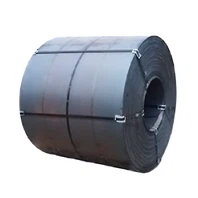
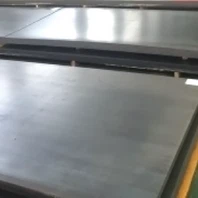
As a seasoned supplier of wear steel plates, I often encounter questions from customers about the transportation of these robust materials. Worn steel plates, known for their durability and resistance to abrasion, are crucial components in various industries such as mining, construction, and manufacturing. In this blog, I will share my insights on how to transport a worn steel plate safely and efficiently.
Understanding the Characteristics of Worn Steel Plates
Before delving into the transportation process, it's essential to understand the unique characteristics of worn steel plates. These plates are typically made from high - strength steel alloys, which make them heavy and dense. For instance, [NM400 Abrasion Plate](/wear - plate/nm400.html), [NM500 Wear Steel Plate](/wear - plate/nm500.html), and [NM600 Abrasion Steel Plate](/wear - plate/nm600.html) are popular choices in the market, each with different levels of hardness and wear resistance.
The weight and size of the steel plates can vary significantly depending on their thickness and dimensions. Thicker plates are heavier and more challenging to handle, while larger plates require more space during transportation. Additionally, the edges of worn steel plates can be sharp, posing a risk of injury to handlers if not properly protected.

Pre - transportation Preparation
Inspection
The first step in transporting a worn steel plate is to conduct a thorough inspection. Check for any signs of damage, such as cracks, dents, or corrosion. If any issues are found, it's important to address them before transportation to prevent further damage during transit. This inspection also helps in ensuring that the plate meets the required quality standards for the intended application.
Cleaning
Cleaning the steel plate is another crucial step. Remove any dirt, debris, or loose particles from the surface. This not only makes the plate easier to handle but also helps in preventing any contaminants from causing damage during transportation. A clean plate is also less likely to scratch or damage other items in the transport vehicle.
Packaging
Proper packaging is essential to protect the worn steel plate during transportation. Use protective materials such as wooden pallets, cardboard, or plastic sheeting to prevent scratches and damage. Wrap the edges of the plate with rubber or foam to avoid sharp edges from causing injury or damage to other items. For larger plates, consider using custom - made crates or containers for added protection.
Choosing the Right Transportation Method
Road Transport
Road transport is one of the most common methods for transporting worn steel plates. It offers flexibility in terms of pick - up and delivery locations, and it can be a cost - effective option for shorter distances. When using road transport, it's important to choose a reliable carrier with experience in transporting heavy and bulky items.
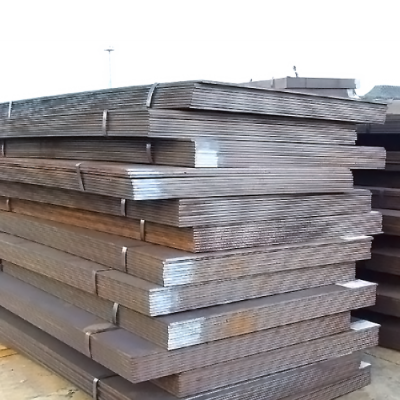
The carrier should have appropriate vehicles equipped with the necessary safety features, such as tie - down straps and load - securing systems. Ensure that the vehicle is large enough to accommodate the size and weight of the steel plate. For multiple plates, they should be stacked and secured properly to prevent shifting during transit.
Rail Transport
Rail transport is a good option for long - distance transportation of worn steel plates. It can handle large volumes of cargo and is generally more fuel - efficient than road transport. However, rail transport may require additional handling at the loading and unloading points.
When using rail transport, the steel plates need to be loaded onto railcars in a way that ensures stability. Specialized railcars with flatbeds or containers can be used to transport the plates. The plates should be secured to the railcar using appropriate fastening devices to prevent movement during transit.
Sea Transport
For international or long - distance transportation across large bodies of water, sea transport is often the preferred method. Sea freight can handle large quantities of worn steel plates at a relatively low cost per unit.
When shipping by sea, the plates are usually loaded into shipping containers. The containers should be properly sealed and secured to prevent water ingress and damage to the plates. It's also important to consider the shipping route, weather conditions, and port facilities when choosing sea transport.
Loading and Securing the Worn Steel Plate
Loading
Loading the worn steel plate onto the transport vehicle requires careful planning and the use of appropriate equipment. For smaller plates, manual handling with the help of lifting straps or forklifts may be sufficient. However, for larger and heavier plates, cranes or other heavy - duty lifting equipment may be necessary.
During loading, ensure that the plate is lifted evenly to prevent bending or warping. The plate should be placed on the vehicle in a stable position, with the center of gravity properly aligned.
Securing
Securing the steel plate is crucial to prevent it from shifting or moving during transportation. Use high - strength tie - down straps, chains, or ropes to secure the plate to the vehicle. The straps should be tightened firmly to ensure that the plate remains in place.
For multiple plates stacked on top of each other, use spacers or separators to prevent them from rubbing against each other and causing damage. The securing points should be evenly distributed around the plate to ensure balanced restraint.
Safety Considerations
Personal Protective Equipment (PPE)
When handling and transporting worn steel plates, it's important for workers to wear appropriate PPE. This includes safety gloves to protect hands from sharp edges, safety boots to prevent foot injuries, and safety glasses to protect eyes from flying debris.
Risk Assessment
Conduct a risk assessment before starting the transportation process. Identify potential hazards such as heavy lifting, sharp edges, and vehicle movement. Develop appropriate control measures to mitigate these risks. For example, provide proper training to workers on how to handle the steel plates safely and use the equipment correctly.
Monitoring During Transportation
Once the worn steel plate is loaded and secured on the transport vehicle, it's important to monitor its condition during transit. For road transport, the driver should perform regular checks to ensure that the plate is still secure and there are no signs of damage.
For long - distance transportation, such as sea or rail transport, tracking systems can be used to monitor the location and condition of the cargo. This allows for timely intervention in case of any issues, such as rough weather conditions or unexpected delays.
Conclusion
Transporting a worn steel plate requires careful planning, proper preparation, and adherence to safety standards. By understanding the characteristics of the steel plates, choosing the right transportation method, and following the correct loading and securing procedures, we can ensure that the plates reach their destination safely and in good condition.
If you are in the market for high - quality wear steel plates such as [NM400 Abrasion Plate](/wear - plate/nm400.html), [NM500 Wear Steel Plate](/wear - plate/nm500.html), or [NM600 Abrasion Steel Plate](/wear - plate/nm600.html), and need assistance with transportation or have any other questions, feel free to contact us for procurement discussions. We are committed to providing you with the best solutions for your wear steel plate needs.
References
- "Steel Plate Handbook" - A comprehensive guide on the properties and handling of steel plates.
- Industry standards and regulations related to the transportation of heavy and bulky goods.