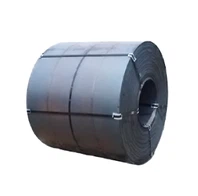
As a leading supplier of cladding steel plates, I am often asked about the essential installation tools required for these high - performance materials. Cladding steel plates, such as A537CL2+304L - Stainless Steel Clad Plate, S355JR+304L, and A516GR70 +304L Clad Plate, offer a combination of strength, corrosion resistance, and durability. To ensure a successful installation, the right tools are crucial. In this blog post, I will introduce you to the key installation tools for cladding steel plates.
Cutting Tools
Plasma Cutters
Plasma cutters are highly effective for cutting cladding steel plates. They work by creating a high - temperature plasma arc that melts the metal, allowing for a clean and precise cut. Plasma cutters can handle a wide range of plate thicknesses, making them suitable for various applications. When using a plasma cutter on cladding steel plates, it is important to adjust the settings according to the specific material and thickness. This ensures that the cut is smooth and does not damage the cladding layer.
Oxy - Fuel Cutters
Oxy - fuel cutters are another option for cutting cladding steel plates, especially for thicker materials. They use a mixture of oxygen and fuel gas (such as acetylene) to generate a flame that heats the metal to its ignition temperature. Once the metal is heated, a high - pressure stream of oxygen is used to blow away the molten metal, creating a cut. However, oxy - fuel cutting may not be as precise as plasma cutting, and there is a risk of heat - affected zones that could potentially damage the cladding layer. Therefore, it is important to use proper techniques and take precautions when using oxy - fuel cutters on cladding steel plates.
Circular Saws
Circular saws equipped with carbide - tipped blades can also be used for cutting cladding steel plates. They are suitable for making straight cuts on thinner plates. Circular saws are relatively portable and easy to operate, making them a convenient option for on - site cutting. When using a circular saw, it is important to choose the right blade for the specific material and ensure that the saw is properly maintained to achieve a clean and accurate cut.
Welding Tools
MIG Welders
Metal Inert Gas (MIG) welders are commonly used for welding cladding steel plates. They use a continuous wire electrode that is fed through a welding gun, along with a shielding gas (usually argon or a mixture of argon and carbon dioxide). MIG welding is relatively fast and easy to learn, making it a popular choice for both professional welders and DIY enthusiasts. When welding cladding steel plates with a MIG welder, it is important to select the appropriate wire and shielding gas combination to ensure good weld quality and avoid any issues with the cladding layer.
TIG Welders
Tungsten Inert Gas (TIG) welders are known for their precision and high - quality welds. They use a non - consumable tungsten electrode to create an arc, and a separate filler metal can be added if needed. TIG welding is often preferred for applications where a clean and aesthetically pleasing weld is required, such as in architectural or decorative projects. When welding cladding steel plates with a TIG welder, it is important to have good control over the welding parameters, such as the current, voltage, and travel speed, to avoid overheating and damage to the cladding layer.
Stick Welders
Stick welders, also known as Shielded Metal Arc Welders (SMAW), are a traditional and reliable option for welding cladding steel plates. They use a consumable electrode coated with a flux that provides a shielding gas during the welding process. Stick welding is suitable for outdoor and heavy - duty applications, as it can be used in various weather conditions. However, it requires more skill and experience to achieve good weld quality compared to MIG or TIG welding. When using a stick welder on cladding steel plates, it is important to choose the right electrode and follow proper welding techniques to ensure a strong and durable weld.
Measuring and Marking Tools
Tape Measures
Tape measures are essential for accurately measuring the dimensions of the cladding steel plates. They come in various lengths, and it is important to choose a tape measure with a high degree of accuracy. When measuring cladding steel plates, make sure to measure from the correct reference points and take multiple measurements to ensure consistency.
Squares
Squares are used to ensure that the cuts and joints of the cladding steel plates are at right angles. There are different types of squares, such as combination squares and framing squares. Combination squares can be used for measuring, marking, and checking angles, while framing squares are larger and more suitable for larger - scale projects. When using a square on cladding steel plates, it is important to place it firmly against the plate to get an accurate reading.
Marking Pens and Chalk
Marking pens and chalk are used to mark the cutting and welding lines on the cladding steel plates. Marking pens are more permanent and are suitable for indoor use, while chalk is easily removable and is often used for temporary markings, especially on outdoor projects. When marking the plates, make sure to use clear and visible markings to avoid any confusion during the installation process.
Fastening Tools
Drill Presses
Drill presses are used for creating holes in cladding steel plates for fastening purposes. They provide a more accurate and consistent drilling depth compared to handheld drills. When using a drill press on cladding steel plates, it is important to select the right drill bit for the specific material and ensure that the drill press is properly aligned to avoid any damage to the cladding layer.
Rivet Guns
Rivet guns are used to install rivets on cladding steel plates. Rivets are a type of mechanical fastener that can provide a strong and permanent connection. Rivet guns come in different sizes and types, depending on the size and type of rivets being used. When using a rivet gun, it is important to follow the manufacturer's instructions and ensure that the rivets are installed correctly to provide a secure connection.
Surface Preparation Tools
Grinders
Grinders are used for surface preparation of cladding steel plates. They can be used to remove rust, scale, and other contaminants from the surface of the plates before welding or installation. There are different types of grinders, such as angle grinders and bench grinders. Angle grinders are more portable and are suitable for on - site surface preparation, while bench grinders are larger and more suitable for workshop use. When using a grinder on cladding steel plates, it is important to use the appropriate grinding wheel and take precautions to avoid damaging the cladding layer.
Sandblasters
Sandblasters are used to clean and roughen the surface of cladding steel plates. They work by propelling abrasive particles at high speed onto the surface of the plate, removing any contaminants and creating a rough surface that is ideal for painting or welding. Sandblasting can be an effective way to prepare the surface of cladding steel plates, but it is important to use the right abrasive material and pressure to avoid damaging the cladding layer.
Conclusion
In conclusion, the installation of cladding steel plates requires a variety of tools, each with its own specific function. From cutting tools like plasma cutters and circular saws to welding tools such as MIG and TIG welders, and surface preparation tools like grinders and sandblasters, having the right tools is essential for a successful installation. As a cladding steel plate supplier, I understand the importance of using high - quality tools and proper techniques to ensure the best results.
If you are interested in purchasing cladding steel plates or have any questions about the installation process, please feel free to contact us. We are committed to providing you with the best products and services to meet your needs.
References
- "Steel Plate Fabrication Handbook", Industrial Press Inc.
- "Welding Technology: Principles and Applications", Larry Jeffus