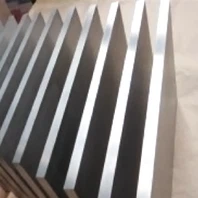
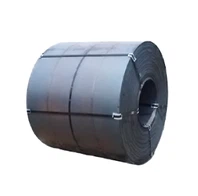
Hey there! I'm a supplier of pipe line plate X60, and today I wanna chat about the welding performance of this awesome material.
First off, let's get into what makes pipe line plate X60 so special. X60 is a high - strength, low - alloy steel that's widely used in the oil and gas pipeline industry. It's got great mechanical properties, which are super important when it comes to welding.
Welding Basics of Pipe Line Plate X60
When we talk about welding pipe line plate X60, we need to consider a few key factors. One of the most crucial things is the pre - heating. Pre - heating helps to reduce the cooling rate of the weld, which in turn decreases the risk of cracking. For X60, a pre - heating temperature in the range of 80 - 120°C is often recommended. This might seem like a small detail, but it can make a huge difference in the quality of the weld.
Another important aspect is the choice of welding process. There are several welding processes available, such as shielded metal arc welding (SMAW), gas metal arc welding (GMAW), and submerged arc welding (SAW). Each process has its own pros and cons when it comes to welding X60.
SMAW is a popular choice because it's relatively simple and can be used in different environments. It gives good control over the weld, but it's a bit slower compared to other processes. GMAW, on the other hand, is faster and more efficient. It can produce high - quality welds, especially when using the right shielding gas. SAW is great for large - scale welding jobs. It offers high deposition rates and excellent weld quality, but it requires more equipment and a more controlled environment.
Impact of Chemical Composition on Welding
The chemical composition of pipe line plate X60 plays a big role in its welding performance. X60 typically contains elements like carbon, manganese, silicon, and small amounts of other alloying elements.
Carbon is an important element, but too much of it can lead to increased hardness and a higher risk of cracking in the weld. So, the carbon content in X60 is carefully controlled. Manganese helps to improve the strength and toughness of the steel. It also helps to deoxidize the weld metal, which is important for preventing defects.
Silicon is another element that's used to improve the strength and fluidity of the weld metal. It also helps to reduce the surface tension of the molten metal, which can lead to better wetting and a more stable arc during welding.
Weldability Testing
Before starting any major welding project with pipe line plate X60, it's important to conduct weldability tests. These tests help to determine the best welding parameters and to ensure that the welds will meet the required standards.
One common weldability test is the carbon equivalent calculation. This calculation takes into account the amounts of different elements in the steel and gives an estimate of how likely the steel is to crack during welding. For X60, the carbon equivalent should be within a certain range to ensure good weldability.
Another test is the cold cracking test. This test involves welding a sample of the X60 plate and then subjecting it to a controlled cooling process. The sample is then inspected for cracks. If cracks are found, it means that the welding parameters need to be adjusted.
Comparison with Other Pipe Line Plates
When it comes to pipe line plates, there are several other options available in the market. For example, the LX42 Pipe Line Plate and LX65.
Compared to LX42, X60 has higher strength. This means that it can withstand higher pressures and is more suitable for long - distance pipelines. However, the higher strength also means that X60 might require more careful welding parameters.
LX65, on the other hand, has even higher strength than X60. It's often used in more demanding applications. But the welding of LX65 can be more challenging due to its higher strength and alloy content. X60 strikes a good balance between strength and weldability, making it a popular choice for many pipeline projects.
Our Factory and Quality Assurance
As a supplier, we operate a Pipe Line Plate Factory where we produce high - quality pipe line plate X60. We have strict quality control measures in place to ensure that every plate we produce meets the highest standards.
Our factory uses the latest technology and equipment to manufacture the X60 plates. We also have a team of experienced technicians and engineers who monitor the production process from start to finish. Before the plates are shipped out, they go through a series of tests to ensure their quality and weldability.
Importance of Good Welding Performance
Good welding performance is crucial for the safety and reliability of pipeline systems. A poorly welded pipeline can lead to leaks, which can be extremely dangerous, especially when transporting oil or gas.
When the welding is done correctly, the pipeline can withstand the harsh operating conditions, such as high pressure, temperature changes, and external forces. This means that the pipeline will have a longer service life and require less maintenance.

Conclusion and Call to Action
In conclusion, the welding performance of pipe line plate X60 is influenced by many factors, including pre - heating, welding process, chemical composition, and weldability testing. With the right approach, X60 can be welded to produce high - quality, reliable pipelines.
If you're in the market for pipe line plate X60, don't hesitate to get in touch. Whether you're working on a small - scale project or a large - scale pipeline installation, we've got the expertise and the high - quality products to meet your needs. Let's start a conversation about your project and see how we can work together to ensure the success of your pipeline.
References
- "Handbook of Welding Processes"
- "Steel Pipe Welding Technology"
- Industry standards related to pipeline welding and pipe line plate manufacturing