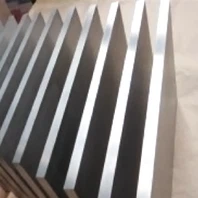
Hey there! I'm a supplier of plate ASTM A516 Gr 70, and I'm here to share with you the inspection methods for this awesome material. Plate ASTM A516 Gr 70 is widely used in pressure vessels and boilers because of its great properties like good weldability and high strength. So, let's dive into how we can make sure the plates meet the standards.
Visual Inspection
The first step in inspecting plate ASTM A516 Gr 70 is a simple yet crucial visual check. You just need to take a good look at the surface of the plate. Look for any obvious defects like cracks, scratches, or dents. Cracks can be a big problem as they can weaken the plate and lead to failure under pressure. Scratches, especially deep ones, can also affect the performance of the plate over time.
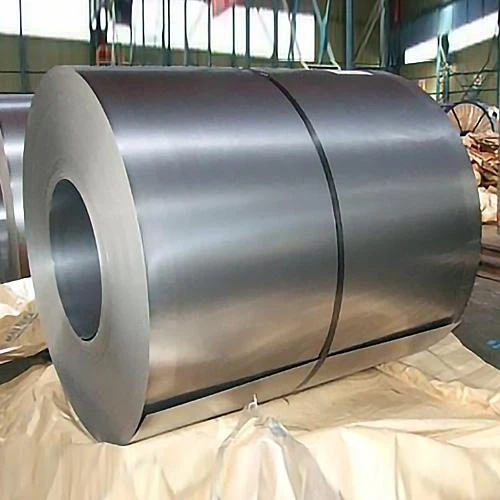
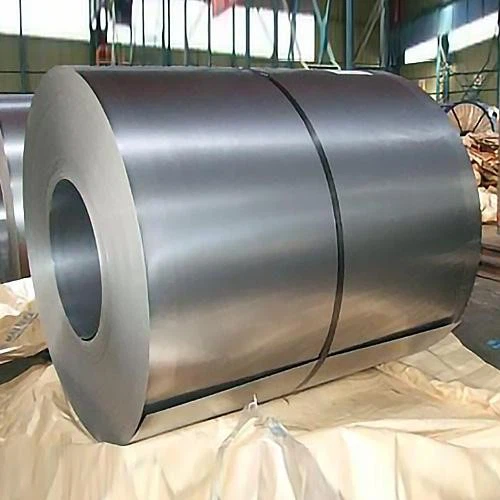
During visual inspection, we also check the edges of the plate. They should be straight and free from any burrs or rough spots. A rough edge can cause issues during the fabrication process, so it's important to catch these problems early on. And don't forget to check the overall flatness of the plate. If it's warped or bowed, it might not be suitable for its intended use.
Dimensional Inspection
Next up is dimensional inspection. This is all about making sure the plate has the right size and shape. We measure the thickness, width, and length of the plate using precision tools like calipers and micrometers. The thickness of ASTM A516 Gr 70 plates needs to be within a specific tolerance range. If the thickness is off, it can affect the strength and performance of the pressure vessel or boiler.
We also check the flatness of the plate more precisely during dimensional inspection. We use straightedges and level gauges to ensure that the plate is as flat as it should be. Any deviations from the specified dimensions can lead to problems during installation and operation. For example, if the width is too narrow, it might not fit properly in the structure, causing alignment issues.
Chemical Composition Analysis
Chemical composition analysis is a key part of inspecting plate ASTM A516 Gr 70. This helps us confirm that the plate has the right mix of elements. ASTM A516 Gr 70 has specific requirements for elements like carbon, manganese, phosphorus, sulfur, silicon, and others. These elements play important roles in determining the properties of the plate.
We use various methods for chemical composition analysis. One common method is spectroscopy. This technique allows us to identify and measure the different elements in the plate quickly and accurately. By analyzing the chemical composition, we can ensure that the plate has the right strength, toughness, and weldability. For instance, if the carbon content is too high, the plate might become brittle and more prone to cracking.
Mechanical Property Testing
Mechanical property testing is another important aspect of inspecting plate ASTM A516 Gr 70. We conduct tests to determine the plate's strength, ductility, and toughness. One of the most common tests is the tensile test. In a tensile test, we take a sample of the plate and pull it until it breaks. This helps us measure the yield strength, ultimate tensile strength, and elongation of the plate.
The yield strength tells us the maximum stress the plate can withstand before it starts to deform permanently. The ultimate tensile strength is the maximum stress the plate can handle before it breaks. Elongation measures how much the plate can stretch before it fails. These properties are crucial for ensuring that the plate can handle the pressure and loads it will be subjected to in a pressure vessel or boiler.
Another important test is the Charpy impact test. This test measures the toughness of the plate at low temperatures. We hit a notched sample of the plate with a pendulum and measure the energy absorbed during the impact. A high energy absorption indicates that the plate is tough and less likely to break under impact. This is especially important in applications where the plate might be exposed to cold temperatures.
Ultrasonic Testing
Ultrasonic testing is a non - destructive testing method that we use to detect internal defects in plate ASTM A516 Gr 70. We send high - frequency sound waves into the plate and analyze the echoes that come back. If there are any internal defects like voids, inclusions, or cracks, the sound waves will reflect differently, and we can detect these anomalies.
Ultrasonic testing is very effective because it can detect defects that are not visible on the surface. It's also a quick and relatively inexpensive way to inspect large plates. By using ultrasonic testing, we can ensure that the plate is free from internal defects that could compromise its integrity.
Radiographic Testing
Radiographic testing is another non - destructive testing method. We use X - rays or gamma rays to create an image of the internal structure of the plate. This allows us to see any internal defects in great detail. Radiographic testing is especially useful for detecting small cracks and inclusions that might be missed by other inspection methods.
However, radiographic testing requires special equipment and trained operators. It also involves some safety risks due to the use of radiation. But when done correctly, it can provide very accurate information about the internal quality of the plate.
Magnetic Particle Testing
Magnetic particle testing is used to detect surface and near - surface defects in ferromagnetic materials like ASTM A516 Gr 70. We apply a magnetic field to the plate and then sprinkle magnetic particles on the surface. If there are any defects, the magnetic field will be distorted, and the particles will accumulate at the defect site, making it visible.
This method is quick and easy to perform, and it can detect defects like surface cracks that might not be obvious during visual inspection. It's a great way to ensure the surface quality of the plate.
Liquid Penetrant Testing
Liquid penetrant testing is used to detect surface - opening defects. We apply a liquid penetrant to the surface of the plate and let it seep into any cracks or pores. Then we remove the excess penetrant and apply a developer. The penetrant that remains in the defects will be drawn out by the developer, making the defects visible.
This method is very sensitive and can detect very small surface defects. It's a useful tool for ensuring the surface integrity of the plate.
In conclusion, inspecting plate ASTM A516 Gr 70 involves a combination of visual, dimensional, chemical, and mechanical tests, as well as non - destructive testing methods. By using these inspection methods, we can ensure that the plates we supply meet the highest quality standards.
If you're in the market for high - quality plate ASTM A516 Gr 70, feel free to reach out for a purchase negotiation. We're confident in the quality of our products and are ready to work with you to meet your needs. You can also check out some related products like astm a537 16Mo3, P335GH Pressure Plate SA516GR70, and SA516GR70.
References
- ASTM International standards for A516 Gr 70
- Handbook of Non - Destructive Testing
- Textbooks on Materials Science and Engineering