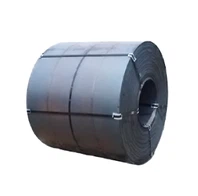
As a seasoned supplier of high strength plates, I understand the paramount importance of comprehensive inspections to ensure the quality and performance of our products. High strength plates are widely used in various critical applications such as construction, heavy machinery, and offshore structures, where their reliability can significantly impact the safety and efficiency of projects. In this blog, I will delve into the key inspection items for high strength plates, providing valuable insights for both industry professionals and potential buyers.
1. Dimensional Inspection
Dimensional accuracy is fundamental for high strength plates. Any deviation from the specified dimensions can lead to fitment issues during installation and compromise the structural integrity of the final product. The following aspects are typically inspected:


- Thickness: Precise thickness measurement is crucial. We use advanced ultrasonic thickness gauges to ensure that the plate thickness adheres to the agreed-upon specifications. For example, if a customer orders a high strength plate with a thickness of 20 mm, the actual measured thickness should fall within an acceptable tolerance range, usually ±0.5 mm depending on the standard requirements.
- Width and Length: These dimensions are measured using calibrated measuring tapes or laser measurement devices. The width and length of the plate should match the order requirements, with allowable tolerances specified by relevant standards such as ASTM or EN. For instance, for a large - scale construction project, the correct width and length of high strength plates are essential to ensure seamless assembly of structural components.
- Flatness: A flat plate surface is necessary for proper welding and connection. We inspect flatness using straightedges and level gauges. Excessive warping or unevenness can cause problems during fabrication, such as difficulty in aligning parts and stress concentration. The flatness tolerance is typically defined in terms of the maximum deviation from a straight line over a certain length of the plate.
2. Surface Quality Inspection
The surface condition of high strength plates can affect their corrosion resistance, paint adhesion, and overall appearance. The following surface defects are carefully examined:
- Scratches and Gouges: Surface scratches and gouges can reduce the fatigue life of the plate and provide sites for corrosion initiation. We visually inspect the plates for any visible scratches or gouges and measure their depth and length. Minor scratches within acceptable limits may be acceptable, but deep or extensive scratches may require corrective action or rejection of the plate.
- Rust and Corrosion: High strength plates are often stored outdoors before use, making them susceptible to rust and corrosion. We check for any signs of rust, including surface discoloration and the presence of oxide layers. Rust can significantly weaken the plate over time, especially in corrosive environments. Plates with severe rust may need to be treated or replaced.
- Scale and Mill Scale: Mill scale is a layer of iron oxide that forms on the surface of the plate during the manufacturing process. While a certain amount of mill scale is normal, excessive or loose mill scale can cause problems during painting and welding. We inspect the adherence and thickness of the mill scale and may remove it if necessary through processes such as shot - blasting.
3. Chemical Composition Analysis
The chemical composition of high strength plates plays a vital role in determining their mechanical properties. We use various analytical techniques to ensure that the plates meet the specified chemical composition requirements:
- Spectroscopic Analysis: This method uses a spectrometer to analyze the elemental composition of the plate. It can accurately measure the content of major elements such as carbon (C), manganese (Mn), silicon (Si), and trace elements like sulfur (S) and phosphorus (P). For example, the carbon content in high strength plates affects their hardness and weldability. By controlling the carbon content within a specific range, we can ensure the desired mechanical properties of the plate.
- Wet Chemical Analysis: In some cases, wet chemical analysis may be used to confirm the results of spectroscopic analysis, especially for elements that are difficult to measure accurately by spectroscopy. This method involves dissolving a sample of the plate in a chemical solution and analyzing the resulting solution to determine the elemental composition.
4. Mechanical Property Testing
Mechanical property testing is essential to evaluate the strength, toughness, and ductility of high strength plates. The following tests are commonly performed:
- Tensile Testing: Tensile testing measures the maximum stress a plate can withstand before breaking. A sample of the plate is prepared according to standard specifications and subjected to a gradually increasing tensile force until it fractures. The results of the tensile test include the yield strength, ultimate tensile strength, and elongation of the plate. For example, high strength plates like S550QL1 and S690QL are designed to have high yield and ultimate tensile strengths to meet the requirements of heavy - duty applications.
- Charpy Impact Testing: This test assesses the toughness of the plate by measuring its ability to absorb energy during impact loading. A notched sample of the plate is struck by a pendulum, and the energy absorbed during the fracture is recorded. Charpy impact testing is typically performed at different temperatures to evaluate the plate's performance in cold environments. High strength plates used in offshore structures or Arctic regions need to have good impact toughness at low temperatures.
- Hardness Testing: Hardness testing measures the resistance of the plate to indentation. We use hardness testers such as Brinell, Rockwell, or Vickers testers to determine the hardness of the plate at different locations. The hardness of the plate is related to its strength and wear resistance. For example, in applications where the plate is subject to abrasion, a higher hardness is often required.
5. Non - Destructive Testing (NDT)
Non - destructive testing methods are used to detect internal defects in high strength plates without damaging the material. The following NDT techniques are commonly employed:
- Ultrasonic Testing (UT): UT uses high - frequency sound waves to detect internal flaws such as cracks, voids, and inclusions. A transducer sends ultrasonic waves into the plate, and any reflections from internal defects are detected and analyzed. Ultrasonic testing is a sensitive method for detecting subsurface defects and is widely used in the inspection of high strength plates.
- Magnetic Particle Testing (MT): MT is used to detect surface and near - surface defects in ferromagnetic materials. A magnetic field is applied to the plate, and magnetic particles are sprinkled on the surface. Any surface or near - surface defects will cause a distortion of the magnetic field, attracting the magnetic particles and making the defect visible. This method is effective for detecting cracks and other discontinuities on the surface of high strength plates.
- Radiographic Testing (RT): RT uses X - rays or gamma rays to produce an image of the internal structure of the plate. This method can detect internal defects such as porosity, inclusions, and lack of fusion in welded joints. Radiographic testing provides a detailed view of the internal condition of the plate but requires special safety precautions due to the use of radiation.
6. Certification and Documentation
In addition to the above inspection items, we also ensure that all high strength plates are accompanied by proper certification and documentation. This includes mill test certificates, which provide detailed information about the chemical composition, mechanical properties, and inspection results of the plate. The mill test certificates are issued by the manufacturer and are an important guarantee of the quality of the plate. We also maintain detailed records of the inspection process and results for traceability purposes.
As a reliable supplier of high strength plates, we are committed to providing products that meet the highest quality standards. Our comprehensive inspection process ensures that every plate we supply is of superior quality and can meet the diverse needs of our customers. If you are in the market for high strength plates such as A514GRF High Strength Steel Plate, please feel free to contact us for more information and to discuss your specific requirements. We are eager to establish long - term partnerships with you and contribute to the success of your projects.
References
- ASTM International Standards for Steel Plates
- European Standards (EN) for High Strength Steel Products
- ASME Boiler and Pressure Vessel Code