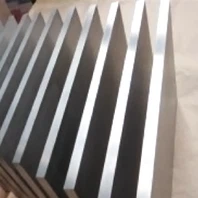
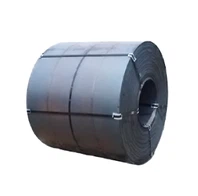
Hey there! I'm a supplier of 690QL plates, and I know firsthand how crucial it is to prevent corrosion on these high - strength plates. Corrosion can not only reduce the lifespan of the 690QL plates but also compromise their performance, which is a big no - no for our customers. So, let's dive into some practical ways to keep those 690QL plates in tip - top shape.
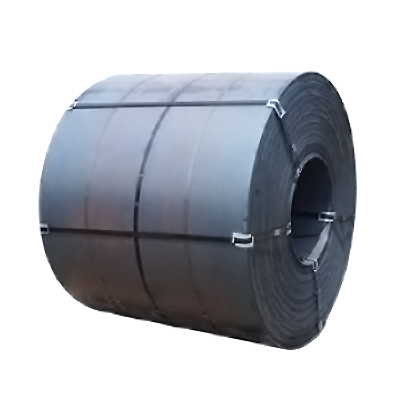

Understanding the Enemy: What Causes Corrosion on 690QL Plates?
Before we can prevent corrosion, we need to know what causes it. 690QL plates are exposed to various environmental factors that can lead to corrosion. Moisture is one of the biggest culprits. When water comes into contact with the plate, it can start a chemical reaction that leads to rust formation. Salt in the air, especially in coastal areas, can also accelerate the corrosion process. Industrial pollutants, such as sulfur dioxide and nitrogen oxides, can react with moisture on the plate surface to form acids, which eat away at the metal.
Protective Coatings: The First Line of Defense
One of the most effective ways to prevent corrosion on 690QL plates is by applying protective coatings. There are several types of coatings available, each with its own advantages.
- Epoxy Coatings: These are very popular because they offer excellent adhesion and chemical resistance. Epoxy coatings form a tough, protective barrier on the plate surface, preventing moisture and other corrosive agents from reaching the metal. They can withstand a wide range of temperatures and are suitable for both indoor and outdoor applications.
- Zinc - Rich Primers: Zinc is a sacrificial metal, which means it corrodes before the steel. When a zinc - rich primer is applied to the 690QL plate, the zinc reacts with the environment instead of the steel, providing cathodic protection. This is especially useful in harsh environments where the plate is likely to be exposed to saltwater or industrial pollutants.
- Polyurethane Coatings: Polyurethane coatings are known for their high durability and weather resistance. They can provide long - term protection against UV rays, moisture, and abrasion. These coatings are often used in applications where the plate will be exposed to the elements for an extended period.
When applying a protective coating, it's important to follow the manufacturer's instructions carefully. The surface of the plate must be properly cleaned and prepared before coating to ensure good adhesion.
Proper Storage and Handling
How you store and handle your 690QL plates can also have a big impact on their corrosion resistance.
- Storage: Store the plates in a dry, well - ventilated area. Avoid storing them directly on the ground, as this can allow moisture to accumulate underneath. If possible, use racks or pallets to keep the plates off the ground. Cover the plates with a waterproof tarp to protect them from rain and snow.
- Handling: When handling the plates, be careful not to damage the protective coating. Use appropriate lifting equipment and avoid dragging the plates across rough surfaces. If the coating is damaged during handling, it should be repaired immediately to prevent corrosion from starting at the damaged area.
Regular Inspection and Maintenance
Regular inspection and maintenance are essential for preventing corrosion on 690QL plates.
- Inspection: Inspect the plates regularly for signs of corrosion, such as rust spots or discoloration. Check the edges and corners of the plates, as these areas are more prone to corrosion. Look for any damage to the protective coating, such as scratches or chips.
- Maintenance: If you find any signs of corrosion or coating damage, take immediate action. For minor corrosion, you can clean the affected area and apply a touch - up coating. For more severe corrosion, you may need to remove the damaged coating, clean the surface thoroughly, and apply a new coating.
Corrosion Inhibitors
Corrosion inhibitors are chemicals that can be added to the environment or applied directly to the plate surface to slow down the corrosion process.
- Vapor - Phase Corrosion Inhibitors (VpCI): These inhibitors release a vapor that forms a protective layer on the metal surface. They are often used in enclosed spaces, such as shipping containers or storage warehouses. VpCI can provide long - term protection without the need for direct contact with the metal.
- Liquid Corrosion Inhibitors: Liquid inhibitors can be applied to the plate surface by spraying, brushing, or dipping. They work by forming a thin film on the metal that inhibits the chemical reactions that cause corrosion. Liquid inhibitors are suitable for both indoor and outdoor applications.
Comparing with Other High - Strength Plates
While we're talking about 690QL plates, it's worth mentioning some other high - strength plates like S890QL, S960QL, and A514GRF High Strength Steel Plate. These plates also require proper corrosion prevention measures. However, the specific requirements may vary depending on their chemical composition and intended use. For example, S890QL and S960QL are even higher - strength plates and may be used in more demanding applications, so their corrosion protection needs to be more robust. A514GRF has its own unique properties and may respond differently to certain corrosion prevention methods.
Conclusion
Preventing corrosion on 690QL plates is a multi - faceted process that involves protective coatings, proper storage and handling, regular inspection and maintenance, and the use of corrosion inhibitors. By taking these steps, you can ensure that your 690QL plates have a long lifespan and perform at their best.
If you're in the market for high - quality 690QL plates or have any questions about corrosion prevention, don't hesitate to reach out. We're here to help you make the right choices for your projects. Let's work together to keep your plates corrosion - free and your projects running smoothly!
References
- ASM Handbook, Volume 13A: Corrosion: Fundamentals, Testing, and Protection.
- NACE International Standards on Corrosion Prevention.