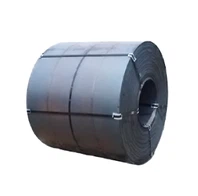
ASME SA516 is a widely used standard specification for pressure vessel plates, suitable for moderate and lower temperature service. As a supplier of ASME SA516, I often get asked about the inspection frequencies for ASME SA516 in service. In this blog, I'll share some insights on this topic.
Understanding ASME SA516
Before we dive into the inspection frequencies, let's quickly go over what ASME SA516 is. It's a specification that covers carbon steel plates for welded pressure vessels. These plates are used in a variety of industries, like oil and gas, power generation, and chemical processing. The standard includes different grades, such as SA516 Grade 55, SA516 Grade 60, SA516 Grade 65, and SA516 Grade 70, each with specific chemical and mechanical properties to meet different service requirements.
Factors Affecting Inspection Frequencies
There isn't a one - size - fits - all answer when it comes to the inspection frequencies for ASME SA516 in service. Several factors come into play:
Operating Conditions
The way the pressure vessel is used has a huge impact on how often inspections should be done. If the vessel is operating in a harsh environment, like high temperatures, high pressures, or corrosive atmospheres, it'll need more frequent inspections. For example, in a chemical plant where the vessel is exposed to aggressive chemicals, the risk of corrosion and material degradation is much higher. So, inspections might be required every 1 - 2 years. On the other hand, if the vessel is used in a relatively mild environment, say a low - pressure water storage tank, inspections could be less frequent, maybe every 3 - 5 years.
Design Life and Age of the Vessel
Newly installed ASME SA516 pressure vessels might have a longer interval between inspections, especially if they're designed for a long service life. However, as the vessel ages, the likelihood of defects and material degradation increases. An older vessel that's approaching or has exceeded its design life should be inspected more often. For instance, a vessel that's been in service for 20 years might need annual inspections, while a brand - new one could go for 3 years between inspections.
Previous Inspection Results
The findings from previous inspections also guide the next inspection frequency. If previous inspections revealed minor issues like small surface cracks or light corrosion, more frequent follow - up inspections will be necessary to monitor the progression of these defects. But if the vessel has a clean bill of health from previous inspections, the inspection interval can be extended.
Common Inspection Frequencies
Based on industry standards and best practices, here are some general guidelines for inspection frequencies:
Visual Inspections
Visual inspections are the most basic form of inspection. They can be done relatively quickly and at a low cost. For ASME SA516 vessels in normal operating conditions, visual inspections should be carried out at least once a year. This helps to identify obvious signs of damage, such as leaks, cracks, or corrosion on the surface of the vessel.
Non - Destructive Testing (NDT)
NDT methods, like ultrasonic testing, radiographic testing, and magnetic particle testing, are used to detect internal and subsurface defects. For vessels in normal service, NDT might be performed every 3 - 5 years. However, if the vessel is in a high - risk environment, NDT could be required every 1 - 2 years.
Hydrostatic Testing
Hydrostatic testing involves filling the vessel with water and pressurizing it to a specified level to check for leaks and structural integrity. This is a more comprehensive and time - consuming test. For most ASME SA516 vessels, hydrostatic testing is typically done every 5 - 10 years, depending on the operating conditions and the vessel's history.
Importance of Regular Inspections
Regular inspections of ASME SA516 in service are crucial for several reasons. Firstly, they help to ensure the safety of the people working around the pressure vessel. A sudden failure of a pressure vessel can cause serious injuries or even fatalities. Secondly, inspections can detect defects early, which allows for timely repairs and maintenance. This can prevent more significant and costly problems down the road. Finally, regular inspections are often a regulatory requirement. Failure to comply with inspection requirements can result in fines and legal issues.
Our Role as a Supplier
As an ASME SA516 supplier, we're not just about providing high - quality plates. We also offer support and advice on the proper use and maintenance of our products. We can help our customers understand the inspection requirements based on their specific operating conditions. We work closely with inspection agencies and can recommend reliable partners for inspections and testing.


If you're in the market for high - quality ASME SA516 plates, or if you need more information about inspection frequencies and other aspects of using these plates, don't hesitate to reach out. We're here to assist you in making the best decisions for your projects. Whether you're looking for S355NL, High Strength Plate, or S355JR, we've got you covered.
Conclusion
Determining the inspection frequencies for ASME SA516 in service is a complex process that depends on multiple factors. By understanding these factors and following industry best practices, you can ensure the safe and efficient operation of your pressure vessels. If you have any questions or need further assistance, feel free to contact us. We're always ready to help you with your ASME SA516 needs.
References
- ASME Boiler and Pressure Vessel Code
- API Recommended Practices for Pressure Vessel Inspection
- Industry reports on pressure vessel maintenance and inspection