In today's world, sustainable development has become a global imperative. As a supplier of clad plates, I've witnessed firsthand how these innovative materials play a crucial role in advancing sustainable development across various industries. In this blog, I'll delve into the ways in which clad plates contribute to a more sustainable future.
Resource Conservation
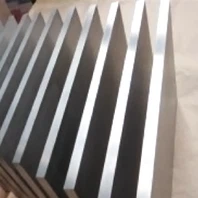
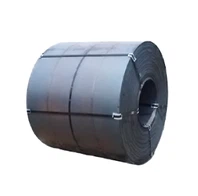
One of the primary ways clad plates contribute to sustainable development is through resource conservation. Clad plates are composite materials made by bonding two or more different metals together. This combination allows us to leverage the unique properties of each metal while using less of the more expensive or scarce materials.
For example, in many applications, a clad plate can be designed with a base layer of a more common and cost - effective metal, such as carbon steel, and a cladding layer of a more corrosion - resistant metal, like stainless steel. This way, we can achieve the desired corrosion resistance without using a solid block of stainless steel, which is more expensive and has a higher environmental impact in terms of extraction and processing.
Take our A537CL2+304L - Stainless Steel Clad Plate as an example. The A537CL2 carbon steel base provides the structural strength, while the 304L stainless steel cladding offers excellent corrosion resistance. By using this clad plate instead of a solid stainless - steel plate, we significantly reduce the consumption of stainless steel, conserving valuable resources.
Similarly, our S355JR+304L clad plate combines the mechanical properties of S355JR carbon steel with the corrosion - resistant properties of 304L stainless steel. This not only reduces the amount of stainless steel required but also optimizes the use of carbon steel, ensuring that each material is used where it can perform most effectively.
Energy Efficiency
Clad plates also contribute to energy efficiency in various industries. In the manufacturing process, producing clad plates is often more energy - efficient than manufacturing solid plates of the more expensive metals. The bonding process of clad plates typically requires less energy compared to the refining and shaping processes needed to produce large - scale solid plates of high - performance metals.
In addition, clad plates can enhance the energy efficiency of equipment and structures in which they are used. For instance, in heat exchangers, clad plates can be designed to have a high - thermal - conductivity base metal and a corrosion - resistant cladding. This allows for efficient heat transfer while protecting the equipment from corrosion, reducing energy losses due to fouling and degradation.
In the oil and gas industry, clad plates are used in pipelines and storage tanks. The corrosion - resistant cladding helps to maintain the integrity of the structure over time, reducing the need for frequent repairs and replacements. This, in turn, reduces the energy and resources required for maintenance and new construction, contributing to overall energy efficiency.
Extended Service Life
Another significant contribution of clad plates to sustainable development is their ability to extend the service life of equipment and structures. The cladding layer provides protection against corrosion, wear, and other forms of degradation, which can significantly increase the lifespan of the component.
Our A516GR70 +304L Clad Plate is commonly used in pressure vessels. The A516GR70 carbon steel base offers high - strength properties, while the 304L stainless - steel cladding protects the vessel from corrosion caused by the contents. This combination ensures that the pressure vessel can operate safely and effectively for a longer period, reducing the frequency of replacements.
By extending the service life of equipment and structures, clad plates reduce the demand for new materials and the associated environmental impacts of manufacturing, transportation, and installation. This also reduces waste generation, as fewer components need to be discarded and replaced over time.
Reduced Environmental Impact
Clad plates have a relatively low environmental impact throughout their life cycle. As mentioned earlier, the resource - conservation aspect means that less raw material is extracted from the earth. The energy - efficient manufacturing process results in lower greenhouse gas emissions.
Moreover, the long service life of clad - plate products reduces the amount of waste sent to landfills. In the case of end - of - life disposal, clad plates can often be recycled. The different metals in the clad plate can be separated and reused, further minimizing the environmental footprint.
In the construction industry, clad plates can be used to build more sustainable buildings. For example, in facades, clad plates can provide both aesthetic appeal and durability, reducing the need for frequent maintenance and replacement of building materials. This contributes to a more sustainable built environment.
Application in Sustainable Industries
Clad plates are widely used in industries that are at the forefront of sustainable development. The renewable energy sector, such as solar and wind power, benefits from the use of clad plates. In solar power plants, clad plates can be used in the construction of support structures and storage systems. The corrosion - resistant properties of the cladding ensure that these structures can withstand harsh environmental conditions, contributing to the long - term reliability of the solar power infrastructure.
In the wind energy industry, clad plates can be used in the manufacturing of turbine components. The high - strength and corrosion - resistant properties of clad plates help to improve the performance and durability of wind turbines, reducing the maintenance requirements and increasing the overall energy output.
Conclusion
In conclusion, clad plates make significant contributions to sustainable development in multiple ways. Through resource conservation, energy efficiency, extended service life, reduced environmental impact, and application in sustainable industries, clad plates are an essential part of the solution for a more sustainable future.
As a clad - plate supplier, I'm committed to providing high - quality clad plates that meet the needs of various industries while promoting sustainable development. If you're interested in learning more about our clad plates or have a project that could benefit from the use of clad plates, I encourage you to contact us for procurement and further discussion. Let's work together to build a more sustainable world.
References
- [List of relevant industry reports on sustainable materials and their applications]
- [Technical documents on the properties and manufacturing processes of clad plates]
- [Case studies on the use of clad plates in different industries]