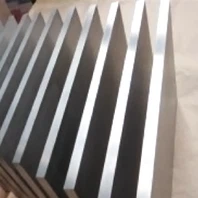
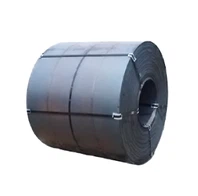
ASTM A537CL2 is a high-strength, heat-treated carbon-manganese-silicon steel plate primarily used for welded pressure vessels. As a reliable supplier of ASTM A537CL2, I understand the importance of proper heat treatment to ensure the material meets the required mechanical properties and performance standards. In this blog, I will delve into the heat treatment methods for ASTM A537CL2, exploring their significance and impact on the material's quality.
Normalizing
Normalizing is a crucial heat treatment process for ASTM A537CL2. This process involves heating the steel to a temperature above its upper critical point, typically around 900 - 950°C (1652 - 1742°F), and then allowing it to cool in still air. The purpose of normalizing is to refine the grain structure of the steel, improving its strength, toughness, and machinability.
During the heating phase, the steel undergoes a phase transformation from ferrite and pearlite to austenite. As the steel cools in air, the austenite transforms back into a fine-grained ferrite and pearlite structure. This fine-grained structure enhances the steel's mechanical properties, making it more resistant to impact and fatigue.
Normalizing also helps to relieve internal stresses that may have been introduced during the manufacturing process, such as rolling or forging. By reducing these stresses, the steel becomes more stable and less prone to distortion or cracking during subsequent processing or in-service use.
Quenching and Tempering
Quenching and tempering is another important heat treatment method for ASTM A537CL2. This two-step process involves rapidly cooling the steel from a high temperature (quenching) and then reheating it to a lower temperature (tempering).
Quenching: The steel is heated to a temperature above its upper critical point, similar to normalizing, but then it is rapidly cooled by immersing it in a quenching medium, such as water, oil, or a polymer solution. This rapid cooling rate causes the austenite to transform into a hard and brittle martensite structure. The high hardness achieved through quenching makes the steel suitable for applications requiring high strength and wear resistance.
However, martensite is also very brittle, which can make the steel prone to cracking. Therefore, tempering is necessary to reduce the brittleness and improve the steel's toughness.
Tempering: After quenching, the steel is reheated to a temperature below its lower critical point, typically in the range of 550 - 650°C (1022 - 1202°F), and held at this temperature for a specific period of time. During tempering, the martensite structure decomposes, and the steel becomes more ductile and less brittle. The exact tempering temperature and time depend on the desired mechanical properties of the steel.
Tempering also helps to relieve the internal stresses that were introduced during quenching. By carefully controlling the tempering process, the steel can achieve a balance between strength and toughness, making it suitable for a wide range of applications, including pressure vessels and structural components.
Stress Relieving
Stress relieving is a heat treatment process used to reduce internal stresses in ASTM A537CL2 without significantly altering its mechanical properties. This process is typically performed after welding or other manufacturing operations that may have introduced residual stresses into the steel.
The steel is heated to a temperature below its lower critical point, usually around 550 - 650°C (1022 - 1202°F), and held at this temperature for a sufficient period of time to allow the internal stresses to relax. The heating rate and cooling rate are carefully controlled to prevent the formation of new stresses.
Stress relieving helps to improve the dimensional stability of the steel and reduce the risk of cracking or distortion during subsequent processing or in-service use. It also enhances the steel's resistance to corrosion and fatigue.
Impact of Heat Treatment on Mechanical Properties
The heat treatment methods described above have a significant impact on the mechanical properties of ASTM A537CL2. Normalizing refines the grain structure, increasing the steel's strength and toughness. Quenching and tempering can achieve even higher strength levels, but at the expense of some ductility. Stress relieving reduces internal stresses, improving the steel's dimensional stability and resistance to cracking.
The following table summarizes the typical mechanical properties of ASTM A537CL2 after different heat treatment processes:
| Heat Treatment | Yield Strength (MPa) | Tensile Strength (MPa) | Elongation (%) | Impact Toughness (J) |
|---|---|---|---|---|
| Normalizing | 345 - 415 | 485 - 620 | 22 - 25 | ≥ 27 |
| Quenching and Tempering | 415 - 550 | 550 - 690 | 18 - 22 | ≥ 40 |
It is important to note that these values are approximate and can vary depending on the specific composition of the steel, the heat treatment parameters, and the testing methods used.
Comparison with Other Pressure Vessel Steels
ASTM A537CL2 is often compared with other pressure vessel steels, such as P295GH, SA516GR70, and SA387GR11 A387 steel plate. While these steels have similar applications, they have different chemical compositions and mechanical properties, which are influenced by their respective heat treatment methods.
P295GH: This is a European standard pressure vessel steel with a lower carbon content compared to ASTM A537CL2. It is typically normalized to achieve the required mechanical properties. P295GH has good weldability and is suitable for use in low to medium-pressure applications.
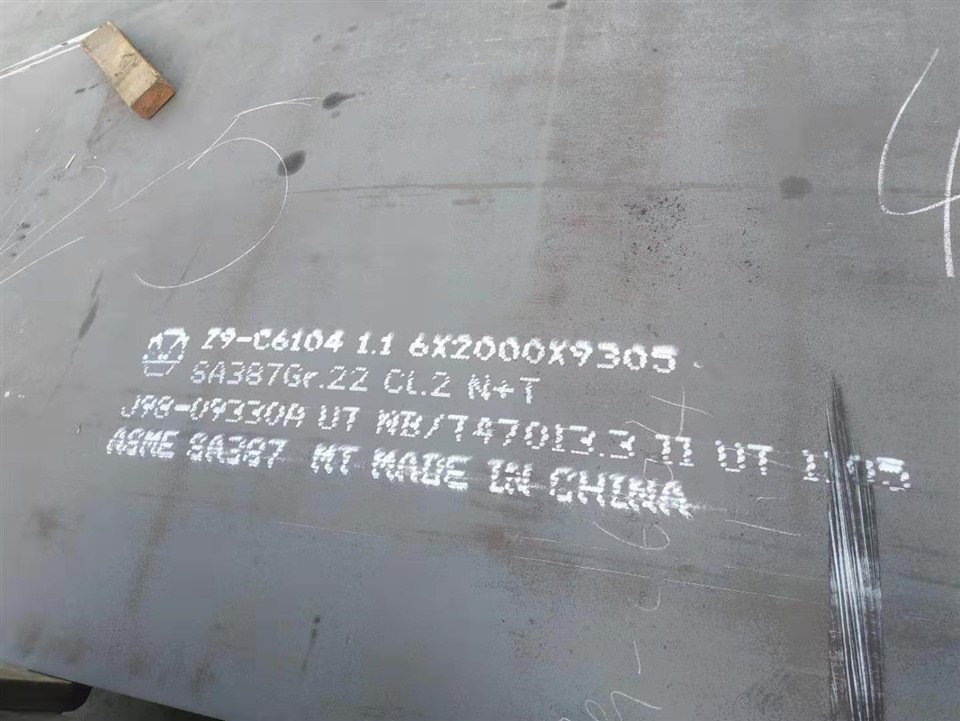

SA516GR70: This is an American standard pressure vessel steel commonly used in the fabrication of boilers and pressure vessels. It is usually normalized or normalized and tempered to meet the specified mechanical requirements. SA516GR70 has a relatively high carbon content, which gives it good strength and toughness.
SA387GR11 A387 steel plate: This is a chromium-molybdenum alloy steel used for high-temperature applications. It is quenched and tempered to achieve high strength and good creep resistance. SA387GR11 has better corrosion resistance compared to ASTM A537CL2 and is suitable for use in environments with elevated temperatures and corrosive media.
Importance of Proper Heat Treatment
Proper heat treatment is essential for ensuring the quality and performance of ASTM A537CL2. Incorrect heat treatment can lead to a variety of problems, such as inadequate strength, poor toughness, and increased susceptibility to cracking. Therefore, it is crucial to follow the recommended heat treatment procedures and parameters specified in the relevant standards and specifications.
As a supplier of ASTM A537CL2, I work closely with my customers to ensure that the steel is heat-treated correctly. I provide detailed technical support and guidance on heat treatment processes, and I also offer quality control services to verify the mechanical properties of the heat-treated steel.
Conclusion
In conclusion, the heat treatment methods for ASTM A537CL2, including normalizing, quenching and tempering, and stress relieving, play a vital role in determining the steel's mechanical properties and performance. By carefully selecting and controlling the heat treatment process, it is possible to achieve the desired balance between strength, toughness, and ductility, making ASTM A537CL2 suitable for a wide range of pressure vessel applications.
If you are interested in purchasing ASTM A537CL2 or have any questions about heat treatment or other technical aspects of the steel, please feel free to contact me for more information. I am committed to providing high-quality products and excellent customer service, and I look forward to working with you to meet your specific requirements.
References
- ASTM A537/A537M - Standard Specification for Pressure Vessel Plates, Carbon - Manganese - Silicon Steel, Heat - Treated
- ASME Boiler and Pressure Vessel Code, Section II, Part A - Ferrous Material Specifications
- Metals Handbook, Volume 4: Heat Treating, 9th Edition