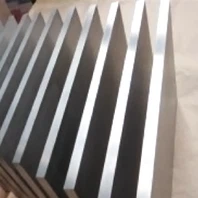
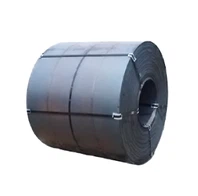
As a supplier of JISG3106 SM490, I have witnessed the growing demand for this high - performance steel in various industries. In this blog, I will delve into the formability characteristics of JISG3106 SM490, offering insights that can help potential buyers understand its value and application scope.
Chemical Composition and Its Influence on Formability
The chemical composition of JISG3106 SM490 plays a crucial role in determining its formability. This steel mainly consists of elements such as carbon (C), silicon (Si), manganese (Mn), phosphorus (P), sulfur (S), and small amounts of alloying elements.
Carbon is a key element that affects the strength and hardness of the steel. In JISG3106 SM490, the carbon content is carefully controlled to balance strength and formability. A relatively low carbon content helps to maintain good ductility, which is essential for forming processes such as bending, stretching, and deep drawing. Silicon is added to improve the strength and deoxidize the steel. It also has a positive impact on the surface quality of the steel during forming, reducing the likelihood of surface defects.
Manganese is another important element. It enhances the hardenability and strength of the steel while also improving its formability by refining the grain structure. Phosphorus and sulfur are usually kept at low levels because high concentrations can cause brittleness and reduce the formability of the steel.
Cold Formability
Cold forming is a widely used process in the manufacturing industry, and JISG3106 SM490 exhibits excellent cold formability. During cold forming, the steel can be bent, sheared, and stamped at room temperature without significant cracking or loss of integrity.
One of the key factors contributing to its good cold formability is its fine - grained microstructure. The fine grains provide more grain boundaries, which can effectively hinder the movement of dislocations during deformation. This results in a more uniform distribution of stress and strain, reducing the risk of localized deformation and cracking.
For example, in the production of structural components such as frames and brackets, cold - formed JISG3106 SM490 can be easily shaped into complex geometries. The steel can withstand high levels of cold deformation, making it suitable for applications where precision and tight tolerances are required. However, it is important to note that excessive cold deformation may lead to work hardening, which can increase the hardness and reduce the ductility of the steel. Therefore, proper annealing processes may be required after cold forming to restore the formability and relieve internal stresses.
Hot Formability
Hot forming is another important process for JISG3106 SM490. At elevated temperatures, the steel becomes more malleable, allowing for larger deformations with less force.
When the steel is heated to the appropriate temperature range, its yield strength decreases significantly, while its ductility increases. This makes it easier to shape the steel into large - scale and complex structures. For instance, in the construction of bridges and high - rise buildings, hot - formed JISG3106 SM490 can be used to produce large beams and columns.
The hot formability of JISG3106 SM490 is also affected by the heating rate, holding time, and cooling rate. A proper heating rate ensures uniform heating throughout the steel, preventing thermal stress and cracking. The holding time at the forming temperature is crucial to allow the steel to reach a fully austenitic state, which is necessary for optimal formability. After forming, a controlled cooling rate is required to obtain the desired microstructure and mechanical properties.
Weldability and Its Impact on Formability
Weldability is an important aspect of formability, especially in applications where the steel needs to be joined to other components. JISG3106 SM490 has good weldability, which means it can be welded using common welding methods such as arc welding and gas welding without significant loss of formability or mechanical properties.
The low carbon equivalent of JISG3106 SM490 is one of the main reasons for its good weldability. A low carbon equivalent reduces the risk of hardening and cracking in the heat - affected zone (HAZ) during welding. Additionally, the fine - grained microstructure of the steel helps to improve the toughness and ductility of the weld joint.
However, proper welding procedures need to be followed to ensure the quality of the weld. This includes pre - heating the steel before welding, controlling the welding parameters such as current, voltage, and welding speed, and post - weld heat treatment if necessary. Good weldability allows for more flexibility in the design and fabrication of structures using JISG3106 SM490, as it can be easily integrated with other parts through welding.
Comparison with Other Similar Steels
When considering the formability of JISG3106 SM490, it is useful to compare it with other similar steels. For example, A573GR58 Carbon Steel Plate A283GRC and A537CL1 A537CL2 A537CL3 Asme Sa516 are also commonly used low - alloy steel plates.
Compared with A573GR58, JISG3106 SM490 generally has better cold formability due to its optimized chemical composition and fine - grained microstructure. A573GR58 may have higher strength but relatively lower ductility, which can make it more challenging to form complex shapes during cold forming processes.
In contrast, SM490B is a closely related steel grade to JISG3106 SM490. They share similar formability characteristics, but there may be some differences in specific applications depending on the detailed requirements and manufacturing processes. SM490B may have slightly different mechanical properties and chemical compositions, which can affect its performance in certain forming operations.
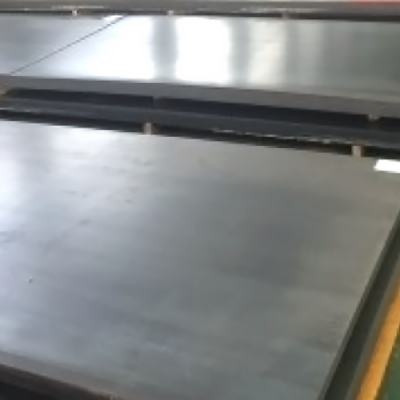

Applications Based on Formability
The excellent formability of JISG3106 SM490 makes it suitable for a wide range of applications. In the automotive industry, it can be used to manufacture body parts such as doors, hoods, and fenders. The ability to be cold - formed into complex shapes allows for the design of aerodynamic and lightweight components.
In the construction industry, JISG3106 SM490 is widely used in the fabrication of structural frames, bridges, and industrial buildings. Its good hot and cold formability, combined with high strength and weldability, makes it an ideal choice for large - scale construction projects.
In the machinery manufacturing industry, the steel can be used to produce various machine parts, including gears, shafts, and housings. The formability of the steel enables the production of parts with precise dimensions and complex geometries, meeting the high - precision requirements of modern machinery.
Conclusion
In conclusion, JISG3106 SM490 exhibits excellent formability characteristics in both cold and hot forming processes. Its chemical composition, fine - grained microstructure, and good weldability contribute to its outstanding performance in various forming operations. Whether you are in the automotive, construction, or machinery manufacturing industry, JISG3106 SM490 can provide a reliable and cost - effective solution for your production needs.
If you are interested in purchasing JISG3106 SM490 or have any questions about its formability and application, please feel free to contact us for further discussion and negotiation. We are committed to providing high - quality steel products and professional technical support to meet your specific requirements.
References
- ASM Handbook Volume 1: Properties and Selection: Irons, Steels, and High - Performance Alloys.
- Metals Handbook Desk Edition, Third Edition.
- Technical literature on JISG3106 SM490 from relevant steel research institutions.