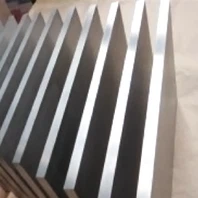
Hey there! I'm an ASTM A537CL2 supplier, and today I want to dig into the topic of how different pre - heating temperatures affect the welding quality of ASTM A537CL2.
ASTM A537CL2 is a high - strength, heat - treated carbon steel plate that's widely used in pressure vessels and storage tanks. Welding is a crucial process when it comes to fabricating these structures, and pre - heating is an important step in ensuring good welding quality.
Let's start by understanding what pre - heating is. Pre - heating involves heating the base metal before welding. This helps to reduce the cooling rate of the weld, which in turn can prevent issues like cracking, improve the weld's mechanical properties, and enhance its overall integrity.
Now, let's talk about the effects of different pre - heating temperatures on the welding quality of ASTM A537CL2.
Low Pre - heating Temperatures
When the pre - heating temperature is too low, say below 100°C (212°F), we start to run into some problems. The cooling rate of the weld is relatively high. This rapid cooling can lead to the formation of hard and brittle microstructures in the heat - affected zone (HAZ). For ASTM A537CL2, which has a certain carbon equivalent, a high cooling rate can cause martensite to form in the HAZ. Martensite is extremely hard and brittle, and it significantly increases the risk of cracking.
Cracks can be a real headache in pressure vessel applications. They can compromise the structural integrity of the vessel, leading to potential leaks or even catastrophic failures. In addition, low pre - heating temperatures can also result in poor fusion between the weld metal and the base metal. This means that the bond between the two is not as strong as it should be, which can reduce the overall strength of the welded joint.
Moderate Pre - heating Temperatures
A moderate pre - heating temperature range, typically between 100°C - 200°C (212°F - 392°F), is often considered ideal for welding ASTM A537CL2. At these temperatures, the cooling rate of the weld is more controlled. The slower cooling allows for the formation of more ductile microstructures in the HAZ, such as ferrite and pearlite. These microstructures have better mechanical properties, including higher toughness and lower susceptibility to cracking.
The weld metal also has a better chance of fusing properly with the base metal at moderate pre - heating temperatures. This leads to a stronger and more reliable welded joint. Moreover, the residual stresses in the welded area are reduced. Residual stresses can cause distortion in the welded structure over time, and by keeping them in check, we can ensure that the final product meets the required dimensional tolerances.
High Pre - heating Temperatures
On the other hand, if we go too high with the pre - heating temperature, above 200°C (392°F), we also face some challenges. One of the main issues is the potential for grain growth in the HAZ. When the base metal is heated to high temperatures for an extended period, the grains in the HAZ start to grow larger. Larger grains generally mean lower strength and toughness.

High pre - heating temperatures can also increase the risk of oxidation on the surface of the base metal. Oxidation can create a layer of oxide that can interfere with the welding process. It can prevent proper fusion between the weld metal and the base metal, and it can also introduce impurities into the weld, which can degrade its quality.
In addition to these microstructural and fusion - related issues, high pre - heating temperatures can be costly. It takes more energy to heat the base metal to such high temperatures, and it also requires more time. This can increase the overall production cost and reduce the efficiency of the welding process.
Now, I know I've been focusing on ASTM A537CL2, but it's worth mentioning some related materials. If you're also in the market for other pressure vessel plates, you might be interested in P295GH, P335GH Pressure Plate SA516GR70, and P275NL1. These materials also have their own specific requirements when it comes to pre - heating and welding.
So, as an ASTM A537CL2 supplier, I can't stress enough the importance of getting the pre - heating temperature right. It's all about finding that sweet spot to ensure the best possible welding quality. Whether you're a fabricator, an engineer, or someone involved in the pressure vessel industry, making the right decisions about pre - heating can save you a lot of headaches down the line.
If you're looking for high - quality ASTM A537CL2 plates or have any questions about the welding process, I'd love to have a chat with you. Feel free to reach out, and we can discuss your specific needs and how we can work together to get the best results.
References
- "Welding Metallurgy and Weldability of Stainless Steels" by John C. Lippold and David J. Kotecki
- "The Welding of High - Strength Steels" by W. A. J. Welding Institute
- ASTM A537/A537M - 18 Standard Specification for Pressure Vessel Plates, Heat - Treated, Carbon - Manganese - Silicon Steel