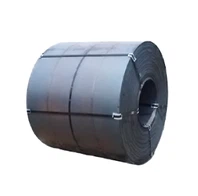
Hey there! As a supplier of Pipe Line Plate, I've seen my fair share of issues with these plates over the years. In this blog, I'm gonna talk about the common defects of Pipe Line Plate and how we can deal with them.
Common Defects of Pipe Line Plate
Surface Cracks
Surface cracks are one of the most common defects in Pipe Line Plate. These cracks can occur during the manufacturing process, such as during rolling or cooling. They can also be caused by external factors like improper handling or stress during installation. Surface cracks can weaken the plate and make it more susceptible to corrosion and other forms of damage.
Inclusions
Inclusions are foreign materials that are trapped inside the Pipe Line Plate during the manufacturing process. These can include things like slag, oxides, or other impurities. Inclusions can affect the mechanical properties of the plate, such as its strength and ductility. They can also create stress concentrations, which can lead to cracking or other forms of failure.
Delamination
Delamination is the separation of the layers in the Pipe Line Plate. This can occur due to poor bonding between the layers during the manufacturing process or due to stress during use. Delamination can weaken the plate and reduce its resistance to corrosion and other forms of damage.
Uneven Thickness
Uneven thickness is another common defect in Pipe Line Plate. This can occur due to variations in the rolling process or due to wear and tear on the rolling equipment. Uneven thickness can affect the performance of the plate, such as its ability to withstand pressure and its resistance to corrosion.
Pitting
Pitting is a form of corrosion that occurs on the surface of the Pipe Line Plate. It is characterized by small, deep holes or pits in the surface of the plate. Pitting can be caused by a variety of factors, such as exposure to corrosive environments, improper cleaning or maintenance, or the presence of impurities in the plate. Pitting can weaken the plate and make it more susceptible to other forms of corrosion and damage.
How to Deal with These Defects
Surface Cracks
To deal with surface cracks, we can use a variety of methods. One common method is to grind or machine the surface of the plate to remove the cracks. This can be effective for small cracks, but for larger cracks, we may need to use welding or other repair techniques. Another method is to apply a protective coating to the surface of the plate to prevent further cracking and corrosion.
Inclusions
To deal with inclusions, we can use a variety of methods. One common method is to use a process called ultrasonic testing to detect the inclusions. Once the inclusions are detected, we can use a variety of methods to remove them, such as grinding, machining, or welding. Another method is to use a process called heat treatment to improve the mechanical properties of the plate and reduce the impact of the inclusions.
Delamination
To deal with delamination, we can use a variety of methods. One common method is to use a process called ultrasonic testing to detect the delamination. Once the delamination is detected, we can use a variety of methods to repair it, such as welding, bonding, or using a filler material. Another method is to use a process called heat treatment to improve the bonding between the layers and reduce the risk of delamination.
Uneven Thickness
To deal with uneven thickness, we can use a variety of methods. One common method is to use a process called leveling to correct the thickness of the plate. This can be done using a leveling machine or by using a combination of grinding and machining. Another method is to use a process called heat treatment to improve the mechanical properties of the plate and reduce the impact of the uneven thickness.
Pitting
To deal with pitting, we can use a variety of methods. One common method is to use a process called passivation to remove the corrosion products and create a protective layer on the surface of the plate. This can be done using a chemical solution or by using a process called electropolishing. Another method is to apply a protective coating to the surface of the plate to prevent further pitting and corrosion.


Our Products and Solutions
At our Pipe Line Plate Factory, we take quality very seriously. We use the latest technology and equipment to manufacture our Pipe Line Plate, and we have a strict quality control system in place to ensure that our products meet the highest standards.
We offer a wide range of Pipe Line Plate products, including LX80 and LX560. These products are designed to meet the specific needs of our customers, and they are available in a variety of sizes and thicknesses.
In addition to our high-quality products, we also offer a range of solutions to help our customers deal with the common defects of Pipe Line Plate. Our team of experts can provide you with advice and guidance on how to prevent and repair these defects, and we can also offer you customized solutions to meet your specific needs.
Contact Us for Procurement
If you're in the market for Pipe Line Plate, or if you have any questions or concerns about the common defects of Pipe Line Plate and how to deal with them, please don't hesitate to contact us. We'd be happy to help you find the right products and solutions for your needs.
References
- ASME Boiler and Pressure Vessel Code
- API Specification 5L
- ASTM Standards for Steel Plates
- NACE International Standards for Corrosion Prevention