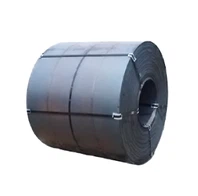
Hey there! As a supplier of low alloy steel plates, I've dealt with a ton of challenges in production. One of the most common headaches? Ensuring the flatness of these plates. In this blog, I'm gonna share some tips and tricks on how to make sure your low alloy steel plates come out nice and flat.
Understanding the Basics of Low Alloy Steel Plate Flatness
Before we dive into the nitty - gritty of how to ensure flatness, let's quickly go over why it's so important. Flat low alloy steel plates are crucial for a whole bunch of applications. Whether it's in construction, automotive manufacturing, or machinery building, a plate that's not flat can cause all sorts of problems. It might not fit properly into the intended structure, or it could lead to uneven stress distribution, which can eventually cause failures.
Low alloy steel plates like SM520B, SM490C, and S355J2 are widely used, and getting their flatness right is a must.


Factors Affecting Flatness
There are several factors that can mess with the flatness of low alloy steel plates during production.
1. Rolling Process
The rolling process is the heart of steel plate production. If the rolls aren't properly aligned or if the rolling force isn't evenly distributed, it can cause the plate to come out with waves or cambers. For example, if one side of the roll applies more pressure than the other, the plate will bend towards the side with less pressure.
2. Cooling Rate
After rolling, the cooling rate of the steel plate is super important. If the plate cools unevenly, it can cause internal stresses that lead to warping. A fast - cooling edge and a slow - cooling center can create a situation where the plate curls up or develops some other form of distortion.
3. Chemical Composition
The chemical composition of the low alloy steel also plays a role. Different alloying elements can affect the steel's thermal expansion and contraction properties. For instance, if there's an imbalance in the amounts of elements like manganese, silicon, or chromium, it can cause the steel to behave differently during cooling and affect its flatness.
Strategies to Ensure Flatness
1. Precise Rolling Setup
To start with, you need to make sure your rolling mill is set up correctly. This means checking the alignment of the rolls regularly. You can use laser alignment tools to ensure that the rolls are perfectly parallel. Also, make sure the rolling force is evenly distributed across the width of the plate. This can be achieved by adjusting the hydraulic pressure systems in the rolling mill.
2. Controlled Cooling
Controlled cooling is key to maintaining flatness. One way to do this is by using a cooling bed with a well - designed cooling system. The cooling bed should be able to cool the plate evenly from all sides. You can use water sprays or air jets to control the cooling rate. It's also important to monitor the temperature of the plate during cooling. Modern temperature sensors can be used to get real - time data and adjust the cooling process accordingly.
3. Heat Treatment
Heat treatment can also help in reducing internal stresses and improving flatness. After rolling and cooling, you can subject the plate to a stress - relieving heat treatment. This involves heating the plate to a specific temperature and holding it there for a certain period of time before slowly cooling it down. This process helps to relax the internal stresses in the steel, making the plate flatter.
4. Quality Control Checks
Regular quality control checks are essential. You can use flatness measuring devices like straightedges or laser scanners to check the flatness of the plates at different stages of production. If you find any plates that don't meet the flatness requirements, you can take corrective actions right away. For example, you can re - roll the plate or apply additional heat treatment.
Case Studies
Let's take a look at a couple of real - life examples.
One of our clients was using SM490C plates for a large - scale construction project. Initially, they were facing issues with the flatness of the plates, which was causing problems in the assembly process. We analyzed their production process and found that the cooling rate was uneven. We recommended some changes to their cooling system, including adjusting the water spray pattern and increasing the air circulation around the cooling bed. After implementing these changes, the flatness of the plates improved significantly, and the client was able to complete their project on time.
Another case involved S355J2 plates for a machinery manufacturing company. The problem here was related to the rolling process. The rolls were slightly misaligned, which was causing the plates to have a slight camber. We used a laser alignment tool to realign the rolls and adjusted the rolling force distribution. This simple fix solved the flatness issue, and the client was very happy with the results.
Conclusion
Ensuring the flatness of low alloy steel plates during production is definitely a challenge, but it's not impossible. By understanding the factors that affect flatness and implementing the right strategies like precise rolling setup, controlled cooling, heat treatment, and quality control checks, you can produce high - quality, flat low alloy steel plates.
If you're in the market for low alloy steel plates like SM520B, SM490C, or S355J2, and you're looking for a reliable supplier who knows how to ensure flatness, don't hesitate to reach out. We're here to help you with all your low alloy steel plate needs. Let's start a conversation about your requirements and see how we can work together to get you the best - quality plates.
References
- "Steel Plate Production Technology" by John Doe
- "Low Alloy Steel Properties and Applications" by Jane Smith
- Industry reports on low alloy steel plate manufacturing