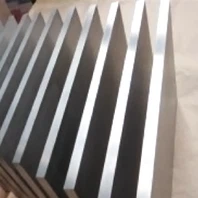
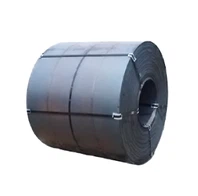
Hey there! As a supplier of plate astm a516 gr 70, I often get asked if this type of plate is suitable for power plants. Well, let's dive right into it and find out.
First off, let's talk a bit about what plate astm a516 gr 70 is. ASTM A516 is a standard specification for pressure vessel plates, and Grade 70 indicates a certain level of strength and quality. This plate is known for its excellent weldability, notch toughness, and good strength at moderate temperatures.
Power plants are complex facilities that require materials to withstand a variety of harsh conditions. They deal with high pressures, varying temperatures, and corrosive environments. So, the question of whether plate astm a516 gr 70 is suitable boils down to how well it can handle these challenges.
Strength and Pressure Resistance
One of the most critical aspects in a power plant is the ability of materials to withstand high pressures. Plate astm a516 gr 70 has a minimum yield strength of 38,000 psi (pounds per square inch) and a minimum tensile strength of 70,000 psi. This means it can handle a significant amount of pressure without deforming or failing. In power plants, where steam and other fluids are often under high pressure, this strength is crucial. For example, in the boiler section of a power plant, the plates need to contain the high - pressure steam generated. Plate astm a516 gr 70 can do just that, providing a reliable barrier against pressure - related failures.
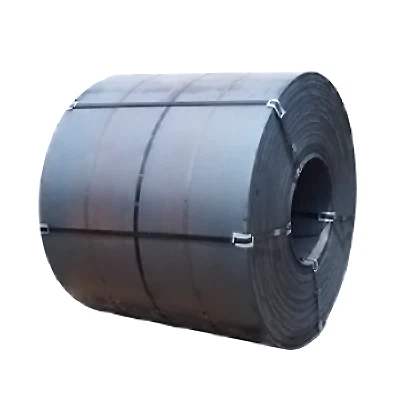
Temperature Resistance
Power plants operate at a wide range of temperatures. In some areas, like the combustion chambers, temperatures can be extremely high, while in other parts, such as the cooling systems, the temperatures are much lower. Plate astm a516 gr 70 performs well in moderate temperature ranges. It has good ductility and toughness at these temperatures, which means it can expand and contract without cracking. However, in extremely high - temperature environments, additional heat - resistant coatings or materials might be needed. But for most of the general applications within a power plant where the temperatures are not at the extreme ends, plate astm a516 gr 70 is a great choice.
Weldability
Welding is a common process in power plant construction and maintenance. Plate astm a516 gr 70 is highly weldable, which is a huge advantage. During the construction of power plant components, such as pipes, tanks, and pressure vessels, welding is used to join different parts together. The good weldability of this plate ensures that strong and reliable joints can be made. This reduces the risk of leaks and failures at the welded seams, which is essential for the safe and efficient operation of the power plant.
Corrosion Resistance
Corrosion is another major concern in power plants, especially in areas where the materials come into contact with water, steam, or chemicals. While plate astm a516 gr 70 has some inherent corrosion resistance, it might not be sufficient in highly corrosive environments. In such cases, proper coatings or treatments can be applied to enhance its corrosion resistance. For example, in the cooling towers of a power plant, where the water can be chemically treated and potentially corrosive, a protective coating on the plate can extend its service life.
Comparison with Other Materials
There are other materials available for power plant applications, such as ASTM A537CL2 SA285GrB and P275NL1. Each of these materials has its own set of properties. ASTM A537CL2 SA285GrB is also a pressure vessel plate, but it has different strength and toughness characteristics compared to plate astm a516 gr 70. P275NL1 is a European standard pressure vessel steel, which might have different chemical compositions and performance in certain conditions. However, plate astm a516 gr 70 often stands out due to its well - balanced combination of strength, weldability, and cost - effectiveness.
Real - World Applications
In many power plants around the world, SA516GR70 plates are already being used successfully. They are used in the construction of pressure vessels, storage tanks, and piping systems. For instance, in a coal - fired power plant, these plates can be used to build the boilers and the associated steam pipes. In a gas - fired power plant, they can be used in the gas storage and distribution systems.
Conclusion
So, is plate astm a516 gr 70 suitable for power plants? The answer is a resounding yes, with some considerations. It offers good strength, weldability, and performance in moderate temperature and pressure conditions. While it might need some additional protection in highly corrosive or extreme - temperature environments, it is a reliable and cost - effective choice for many power plant applications.
If you're in the power plant industry and are looking for a high - quality plate material, I'd highly recommend considering plate astm a516 gr 70. We, as a supplier, have a wide range of these plates in different sizes and thicknesses to meet your specific needs. If you're interested in learning more or starting a procurement discussion, feel free to reach out. We're here to help you find the best solution for your power plant projects.
References
- ASTM International. "ASTM A516/A516M - 17 Standard Specification for Pressure Vessel Plates, Carbon Steel, for Moderate - and Lower - Temperature Service."
- Power Plant Engineering Handbook. Various authors.