Can heavy plates be used in the nuclear power industry? Well, that's a question I've been asked quite a bit lately, especially since I'm a heavy plate supplier. Let's dive right into it and see if heavy plates have a place in this high - stakes industry.
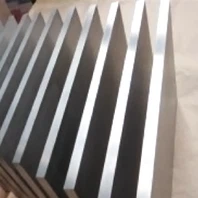
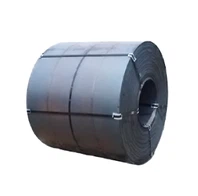
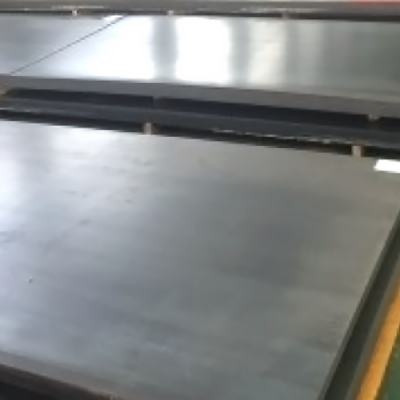
First off, what are heavy plates? Heavy plates are thick steel sheets that are used in a variety of industries for different purposes. They come in different grades and compositions, each designed to meet specific requirements. For example, we've got the A573GR58 Carbon Steel Plate A283GRC and the A573GR58 Carbon Steel Plate A283GRC, which are known for their good strength and weldability. There's also the SM570, a low - alloy steel plate with its own set of unique properties.
Now, the nuclear power industry is no joke. It has some of the strictest safety and performance requirements out there. Nuclear power plants generate electricity by harnessing the energy from nuclear reactions. This process involves extremely high temperatures, high pressures, and exposure to radiation. So, any material used in a nuclear power plant has to be able to withstand these harsh conditions.
One of the key considerations when it comes to using heavy plates in the nuclear power industry is their mechanical properties. Heavy plates need to have high strength to handle the high pressures inside the nuclear reactors. They also need to have good toughness, which means they can absorb energy without breaking under stress. For instance, in the event of an earthquake or a sudden pressure spike, the plates need to remain intact to prevent any leakage of radioactive materials.
Another important factor is the corrosion resistance of heavy plates. Nuclear power plants use water as a coolant, and this water can be corrosive. If the heavy plates used in the construction of the reactor vessels or other components corrode, it can lead to structural integrity issues. That's why we often look for plates with specific alloying elements that enhance their corrosion resistance.
Let's talk about radiation resistance. Nuclear radiation can cause changes in the structure of materials over time. It can make the material brittle or change its mechanical properties. Heavy plates used in the nuclear power industry need to be able to resist these radiation - induced changes. Some specialized heavy plates are designed with elements that can help mitigate the effects of radiation.
So, can heavy plates actually be used in the nuclear power industry? The answer is yes, but with a lot of caveats. The heavy plates need to meet very specific standards and regulations. These standards are set by international and national regulatory bodies to ensure the safety of nuclear power plants.
For example, the American Society of Mechanical Engineers (ASME) has a set of codes and standards for materials used in nuclear power plants. These codes specify the chemical composition, mechanical properties, and manufacturing processes for heavy plates. Any heavy plate supplier who wants to provide materials for the nuclear power industry has to make sure their products comply with these codes.
There are also quality control and testing procedures that are extremely rigorous. Heavy plates have to undergo a series of tests, including non - destructive testing methods like ultrasonic testing and radiographic testing. These tests are used to detect any internal defects in the plates. Additionally, destructive testing methods like tensile testing and impact testing are done to verify the mechanical properties of the plates.
When it comes to our heavy plates at our company, we've been working hard to meet these high - end requirements. We've invested in advanced manufacturing technologies to ensure the quality and consistency of our products. Our team of experts is constantly researching and developing new alloys and manufacturing processes to improve the performance of our heavy plates.
We understand that the nuclear power industry is all about safety and reliability. That's why we take every step possible to make sure our heavy plates are up to the task. Whether it's the A573GR58 Carbon Steel Plate A283GRC or the SM570, we're confident that our products can meet the demanding needs of the nuclear power industry.
However, it's not just about the technical aspects. There's also the issue of cost. Heavy plates that meet the strict requirements of the nuclear power industry can be quite expensive to produce. This is due to the high - quality raw materials, the advanced manufacturing processes, and the extensive testing and certification procedures. But when it comes to nuclear power, safety is priceless, and the cost is often seen as a necessary investment.

In conclusion, heavy plates can definitely be used in the nuclear power industry, but it's a complex and highly regulated process. As a heavy plate supplier, we're committed to providing the best possible products for this critical industry. If you're in the nuclear power industry and are looking for high - quality heavy plates, we'd love to have a chat with you. We can discuss your specific requirements and see how our products can fit the bill. Whether it's for reactor vessels, containment structures, or other components, we've got the expertise and the products to help you out. So, don't hesitate to reach out and start a conversation about your heavy plate needs in the nuclear power industry.
References
- American Society of Mechanical Engineers (ASME) Boiler and Pressure Vessel Code
- International Atomic Energy Agency (IAEA) Safety Standards