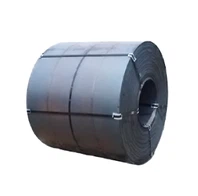
When it comes to selecting the right steel for various industrial applications, understanding the characteristics and performance of different steel grades is crucial. As a supplier of ASME SA516 steel, I often encounter customers who are comparing it with other similar steels in the market. In this blog post, I will delve into how ASME SA516 stacks up against some of its counterparts, namely A633GRD, A573GR70, and NM450 Abrasion Resistant Wear Plates.
ASME SA516: An Overview
ASME SA516 is a carbon steel plate that is widely used in pressure vessel applications. It is known for its excellent notch toughness and good weldability, making it a popular choice for industries such as oil and gas, chemical processing, and power generation. The steel is available in different grades, including SA516 Grade 55, SA516 Grade 60, SA516 Grade 65, and SA516 Grade 70, with the grade number indicating the minimum tensile strength of the steel.
Comparison with A633GRD
A633GRD is a high-strength, low-alloy steel plate that is commonly used in structural applications where high strength and good weldability are required. Like ASME SA516, A633GRD is also known for its good notch toughness, but it has a higher yield strength and tensile strength compared to SA516.
One of the key differences between ASME SA516 and A633GRD is their chemical composition. A633GRD contains alloying elements such as manganese, silicon, and copper, which contribute to its higher strength. On the other hand, ASME SA516 is a carbon steel, which means it has a simpler chemical composition and is generally more cost-effective.
In terms of applications, A633GRD is often used in structural components such as bridges, buildings, and offshore platforms, where high strength is required to withstand heavy loads. ASME SA516, on the other hand, is primarily used in pressure vessel applications, where good notch toughness and weldability are essential for ensuring the safety and reliability of the vessel.
Comparison with A573GR70
A573GR70 is another carbon steel plate that is similar to ASME SA516 in terms of its chemical composition and mechanical properties. Both steels are designed for applications where good notch toughness and weldability are required, but A573GR70 has a slightly higher carbon content, which gives it a higher tensile strength.
One of the advantages of A573GR70 over ASME SA516 is its better formability. The higher carbon content in A573GR70 allows it to be easily formed into different shapes, making it a popular choice for applications such as rolled steel sections and fabricated structures. However, this also means that A573GR70 may have slightly lower notch toughness compared to ASME SA516, especially at lower temperatures.
In terms of applications, A573GR70 is commonly used in structural applications where good formability and moderate strength are required, such as in the construction of buildings, bridges, and machinery. ASME SA516, on the other hand, is more suitable for pressure vessel applications, where the focus is on ensuring the safety and reliability of the vessel under high pressure and temperature conditions.
Comparison with NM450 Abrasion Resistant Wear Plates
NM450 Abrasion Resistant Wear Plates are specifically designed for applications where high abrasion resistance is required. These plates are made from a special alloy steel that contains high levels of carbon, manganese, and chromium, which give them excellent hardness and wear resistance.
Compared to ASME SA516, NM450 Abrasion Resistant Wear Plates have a much higher hardness and wear resistance. This makes them ideal for applications such as mining, construction, and material handling, where the steel is subjected to severe abrasion and impact. However, the high hardness of NM450 Abrasion Resistant Wear Plates also means that they have lower weldability and formability compared to ASME SA516.
In terms of applications, ASME SA516 is not typically used in applications where high abrasion resistance is required. Instead, it is used in applications where good notch toughness and weldability are essential, such as in pressure vessel applications. NM450 Abrasion Resistant Wear Plates, on the other hand, are used in applications where the primary concern is to protect the equipment from wear and tear.


Conclusion
In conclusion, ASME SA516 is a versatile carbon steel plate that is widely used in pressure vessel applications due to its excellent notch toughness and good weldability. While it may not have the highest strength or abrasion resistance compared to some of its counterparts, such as A633GRD, A573GR70, and NM450 Abrasion Resistant Wear Plates, it offers a good balance of properties that make it suitable for a wide range of applications.
When selecting the right steel for your application, it is important to consider the specific requirements of your project, such as the operating conditions, the required strength and toughness, and the formability and weldability of the steel. If you have any questions or need further information about ASME SA516 or any other steel grades, please do not hesitate to contact me for a detailed discussion and potential procurement.
References
- ASME Boiler and Pressure Vessel Code, Section II, Part A - Ferrous Material Specifications
- ASTM International Standards for Steel Plates
- Technical literature provided by steel manufacturers