

Selecting the appropriate welding speed for A387GR11CL2 is a crucial aspect in the manufacturing and fabrication processes. As a supplier of A387GR11CL2, I have witnessed firsthand the impact of welding speed on the quality and performance of the final welded products. In this blog, I will share some insights on how to determine the right welding speed for A387GR11CL2, based on my experience and industry knowledge.
Understanding A387GR11CL2
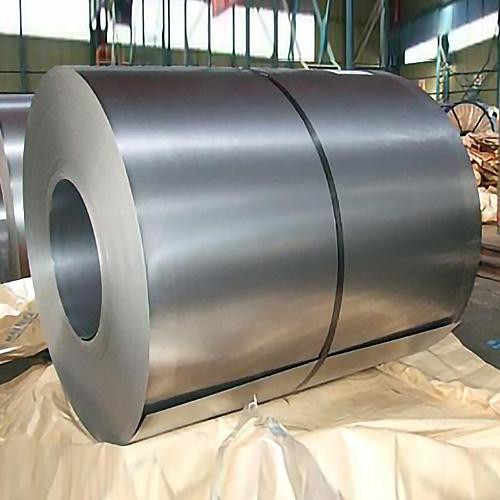
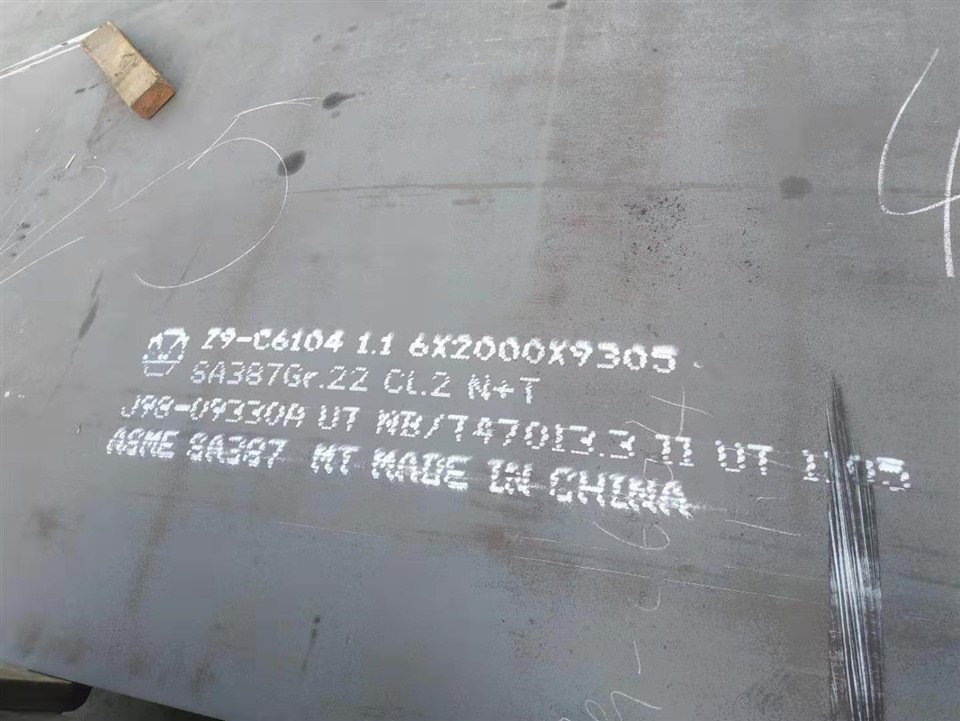
A387GR11CL2 is a chromium-molybdenum alloy steel plate used primarily in pressure vessel applications. It offers excellent strength, toughness, and resistance to corrosion and high-temperature hydrogen attack. These properties make it a popular choice in industries such as oil and gas, chemical processing, and power generation. The alloy composition of A387GR11CL2, which includes elements like chromium and molybdenum, requires careful consideration during the welding process to ensure the integrity of the weld.
Factors Affecting Welding Speed
Several factors influence the selection of the appropriate welding speed for A387GR11CL2. Understanding these factors is essential for achieving optimal weld quality.
Material Thickness
The thickness of the A387GR11CL2 plate plays a significant role in determining the welding speed. Thicker plates generally require slower welding speeds to ensure proper penetration and fusion. When welding thick sections, the heat input needs to be sufficient to melt the base metal and filler material completely. A slower welding speed allows more time for the heat to penetrate deeper into the material, resulting in a stronger and more reliable weld.
Welding Process
Different welding processes have different optimal welding speeds. For example, Gas Tungsten Arc Welding (GTAW) typically operates at slower speeds compared to Gas Metal Arc Welding (GMAW). GTAW is a precise and controlled process, often used for high-quality welds on thinner materials or in applications where aesthetics are important. GMAW, on the other hand, is a faster process suitable for thicker materials and larger production volumes.
Joint Design
The design of the joint being welded also affects the welding speed. Complex joint designs, such as those with multiple passes or intricate geometries, may require slower welding speeds to ensure proper filling and fusion. Additionally, the type of joint (e.g., butt joint, lap joint) and the fit-up of the parts can impact the welding speed. A well-fitted joint with minimal gaps will generally allow for faster welding speeds compared to a joint with poor fit-up.
Welding Position
The position in which the welding is performed (e.g., flat, horizontal, vertical, overhead) can influence the welding speed. Welding in the flat position is typically the easiest and allows for the fastest welding speeds. As the welding position becomes more challenging, such as in the vertical or overhead position, the welding speed may need to be reduced to maintain control of the molten weld pool and prevent defects.
Determining the Optimal Welding Speed
To determine the optimal welding speed for A387GR11CL2, it is recommended to follow a systematic approach.
Review Welding Procedure Specifications (WPS)
Welding Procedure Specifications provide detailed instructions on how to weld a particular material, including the recommended welding speed. These specifications are typically developed based on extensive testing and experience. As a supplier, I can provide customers with the appropriate WPS for A387GR11CL2, which serves as a starting point for determining the welding speed.
Conduct Weld Tests
Before starting a production run, it is advisable to conduct weld tests using different welding speeds on sample pieces of A387GR11CL2. These tests allow you to evaluate the quality of the welds and determine the speed that produces the best results in terms of penetration, fusion, and overall weld appearance. During the tests, it is important to monitor other welding parameters, such as current, voltage, and shielding gas flow rate, to ensure consistency.
Consider the Weld Quality Requirements
The specific requirements of the final product will also influence the selection of the welding speed. For applications where high strength and reliability are critical, such as in pressure vessels, a slower welding speed may be necessary to ensure a high-quality weld. In contrast, for less critical applications or where production efficiency is a priority, a slightly faster welding speed may be acceptable, as long as the weld quality meets the minimum requirements.
Impact of Incorrect Welding Speed
Using an incorrect welding speed can have several negative consequences.
Insufficient Penetration
If the welding speed is too fast, the heat input may be insufficient to penetrate the base metal completely. This can result in a lack of fusion between the weld and the base metal, leading to weak welds that are prone to cracking and failure under stress. Insufficient penetration can also reduce the strength and integrity of the joint, compromising the safety of the final product.
Excessive Heat Input
Conversely, if the welding speed is too slow, excessive heat is generated, which can cause the base metal to overheat and distort. Excessive heat input can also lead to the formation of large grains in the weld metal, reducing its toughness and ductility. In addition, the increased heat can cause the surrounding material to become brittle, increasing the risk of cracking.
Weld Defects
Incorrect welding speed can contribute to the formation of various weld defects, such as porosity, slag inclusions, and undercutting. Porosity occurs when gas bubbles are trapped in the weld metal, which can weaken the weld and reduce its corrosion resistance. Slag inclusions are non-metallic particles that are trapped in the weld, which can also reduce the strength and integrity of the joint. Undercutting is a groove formed along the edge of the weld, which can reduce the cross-sectional area of the joint and increase the stress concentration.
Conclusion
Selecting the appropriate welding speed for A387GR11CL2 is a critical step in ensuring the quality and performance of the welded products. By considering factors such as material thickness, welding process, joint design, and welding position, and following a systematic approach that includes reviewing WPS, conducting weld tests, and considering the weld quality requirements, you can determine the optimal welding speed for your specific application.
As a supplier of A387GR11CL2, I am committed to providing high-quality materials and technical support to our customers. If you have any questions or need assistance in selecting the appropriate welding speed for A387GR11CL2, or if you are interested in purchasing SA387GR11 A387 steel plate, SA285GrA, or SA516GR70, please feel free to contact us for further discussion and procurement negotiation.
References
- American Society for Testing and Materials (ASTM) standards for A387GR11CL2.
- Welding Handbook, published by the American Welding Society.
- Technical literature and research papers on welding of chromium-molybdenum alloy steels.


