

ASME SA516 is a widely recognized specification for pressure vessel plates used in various industries, especially those involving high - pressure and high - temperature applications. As a supplier of ASME SA516, understanding its fatigue properties is crucial for both us and our customers. In this blog, we will delve into the fatigue properties of ASME SA516, exploring what they are, how they are determined, and why they matter in real - world applications.
Understanding Fatigue in Materials
Before we discuss the fatigue properties of ASME SA516, it's important to understand what fatigue is. Fatigue is the weakening of a material caused by cyclic loading, which involves repeated application of stress or strain. Over time, these cyclic loads can lead to the initiation and propagation of cracks within the material, eventually resulting in failure. This is a significant concern in applications where components are subjected to repeated stress, such as in pressure vessels, bridges, and machinery.
Fatigue Properties of ASME SA516
Stress - Life (S - N) Curve
The stress - life (S - N) curve is a fundamental concept when discussing the fatigue properties of any material, including ASME SA516. The S - N curve represents the relationship between the applied stress amplitude (S) and the number of cycles to failure (N). For ASME SA516, the S - N curve shows that as the applied stress amplitude decreases, the number of cycles the material can withstand before failure increases.
In general, ASME SA516 has a relatively good fatigue resistance, especially when compared to some other materials. This is due in part to its chemical composition and the manufacturing processes used to produce it. The steel typically contains elements such as carbon, manganese, silicon, and small amounts of other alloying elements, which contribute to its strength and toughness.
Factors Affecting Fatigue Properties
- Chemical Composition: As mentioned earlier, the chemical composition of ASME SA516 plays a significant role in its fatigue properties. For example, an appropriate amount of carbon can increase the strength of the steel, but too much carbon can make the material more brittle and reduce its fatigue resistance. Manganese helps to improve the hardenability and toughness of the steel, which is beneficial for fatigue performance.
- Microstructure: The microstructure of ASME SA516 also affects its fatigue properties. A fine - grained microstructure generally provides better fatigue resistance than a coarse - grained one. This is because fine grains can impede the propagation of cracks, making it more difficult for them to grow and cause failure.
- Surface Finish: The surface finish of the ASME SA516 plate can have a substantial impact on its fatigue properties. A smooth surface finish reduces stress concentrations, which are points where the stress is significantly higher than the average stress in the material. Stress concentrations can act as initiation sites for cracks, so minimizing them is crucial for improving fatigue resistance.
- Loading Conditions: The type of loading (e.g., axial, bending, torsional) and the frequency of the cyclic load can also affect the fatigue properties of ASME SA516. For example, high - frequency cyclic loading can lead to more rapid crack propagation compared to low - frequency loading.
Testing and Determination of Fatigue Properties
To accurately determine the fatigue properties of ASME SA516, various testing methods are employed.
Fatigue Testing
Fatigue testing involves subjecting specimens of ASME SA516 to cyclic loading under controlled conditions. The specimens are typically machined from the plate material and are designed to represent the actual components in service. During the test, the applied stress amplitude and the number of cycles to failure are recorded. Multiple tests are usually conducted at different stress levels to generate the S - N curve.
Non - Destructive Testing
Non - destructive testing (NDT) methods, such as ultrasonic testing and magnetic particle testing, can be used to detect the presence of cracks in ASME SA516 components during service. These methods are important for ensuring the integrity of the components and for predicting their remaining fatigue life.
Importance of Fatigue Properties in Applications
The fatigue properties of ASME SA516 are of utmost importance in various applications, especially in the pressure vessel industry.
Pressure Vessels
Pressure vessels are designed to contain fluids or gases at high pressures. They are often subjected to cyclic loading due to factors such as pressure fluctuations, temperature changes, and mechanical vibrations. Understanding the fatigue properties of ASME SA516 is essential for ensuring the safe and reliable operation of pressure vessels. By using materials with good fatigue resistance, the risk of fatigue failure can be minimized, which is crucial for preventing accidents and ensuring the long - term performance of the vessels.
Other Industrial Applications
ASME SA516 is also used in other industrial applications, such as bridges and machinery. In bridges, the steel plates are subjected to cyclic loading from traffic, wind, and seismic activity. In machinery, components made of ASME SA516 may experience cyclic loading due to the operation of the equipment. In both cases, the fatigue properties of the material are critical for ensuring the durability and safety of the structures and components.
Comparison with Other Steel Plates
When considering the fatigue properties of ASME SA516, it's useful to compare it with other steel plates. For example, High Strength Plate may have different fatigue characteristics. High - strength plates are often designed to have higher yield and tensile strengths, but this may come at the expense of fatigue resistance in some cases.
SM520B is another type of steel plate that is commonly used in similar applications. While SM520B also has good mechanical properties, its fatigue properties may differ from those of ASME SA516 due to differences in chemical composition and manufacturing processes.
A573GR58 Carbon Steel Plate A283GRC is also a competitor in the market. Each of these steel plates has its own advantages and disadvantages in terms of fatigue performance, and the choice between them depends on the specific requirements of the application.
Ensuring Quality and Fatigue Resistance as a Supplier
As a supplier of ASME SA516, we take several measures to ensure the quality and fatigue resistance of our products.

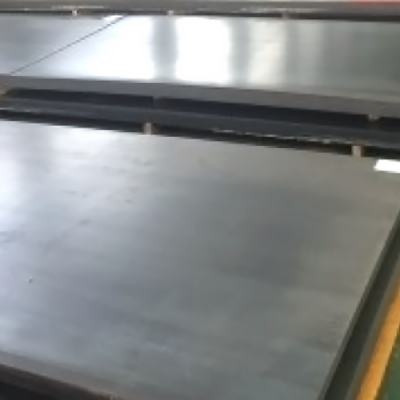
Quality Control in Manufacturing
We work closely with our manufacturing partners to ensure that the ASME SA516 plates are produced using the highest quality standards. This includes strict control of the chemical composition, proper heat treatment processes, and careful inspection of the plates during and after manufacturing.
Testing and Certification
All of our ASME SA516 plates are subjected to rigorous testing, including fatigue testing and other mechanical property tests. We also provide certification for our products, which gives our customers confidence in the quality and performance of the materials they are purchasing.
Conclusion
In conclusion, the fatigue properties of ASME SA516 are an important consideration in various industrial applications. The stress - life curve, along with factors such as chemical composition, microstructure, surface finish, and loading conditions, all play a role in determining the fatigue resistance of the material. By understanding these properties, we can better select and use ASME SA516 in applications where cyclic loading is a concern.
As a supplier of ASME SA516, we are committed to providing high - quality products with excellent fatigue resistance. If you are in need of ASME SA516 for your project, we encourage you to contact us for a detailed discussion about your requirements and how our products can meet your needs. Whether you are involved in the pressure vessel industry, bridge construction, or any other application where fatigue performance is crucial, we are here to help.
References
- ASME Boiler and Pressure Vessel Code, Section II, Part A - Ferrous Material Specifications.
- ASTM Standards related to steel plates and fatigue testing.
- Research papers on the fatigue properties of low - alloy steel materials.


