Selecting the appropriate shielding gas for welding ASTM A537CL2 is a critical process that can significantly impact the quality, strength, and durability of the welded joints. As a long - standing supplier of ASTM A537CL2, I have witnessed firsthand the varying results that different shielding gas selections can yield. In this blog post, I will share some insights on how to make the right choice when it comes to shielding gases for welding this specific steel grade.
Understanding ASTM A537CL2
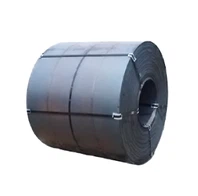
ASTM A537CL2 is a heat - treated carbon - manganese - silicon steel plate used for welded pressure vessels. It offers good notch toughness and is suitable for applications in moderate and low - temperature environments. The welding of ASTM A537CL2 requires careful consideration to avoid issues such as hydrogen cracking, lack of fusion, and porosity. The choice of shielding gas is a key factor in preventing these problems and ensuring a high - quality weld.
Factors to Consider When Selecting Shielding Gas
Welding Process
Different welding processes, such as Gas Metal Arc Welding (GMAW), Gas Tungsten Arc Welding (GTAW), and Flux - Cored Arc Welding (FCAW), have different requirements for shielding gases. GMAW is commonly used for welding ASTM A537CL2 due to its high deposition rate and good bead appearance. For GMAW, the choice of shielding gas can affect the arc stability, spatter generation, and penetration profile.
GTAW, on the other hand, is often used for root passes or when high - quality welds are required. The shielding gas in GTAW primarily protects the molten weld pool from atmospheric contamination and helps maintain the arc. FCAW can use either gas - shielded or self - shielded wires, and the shielding gas selection for gas - shielded FCAW should be made based on the specific wire being used.
Weld Quality Requirements
The desired weld quality, including the mechanical properties and appearance of the weld, is another important factor. For applications where high strength and toughness are critical, such as in pressure vessels, the shielding gas should be selected to promote good fusion and minimize the presence of defects. A shielding gas that can reduce the amount of hydrogen in the weld metal is also essential to prevent hydrogen - induced cracking.
In terms of appearance, a shielding gas that produces less spatter and a smooth bead profile is preferred. This is especially important for applications where the welds are visible or where post - weld cleaning is a concern.
Cost
Cost is always a consideration in any welding operation. Different shielding gases have different prices, and the choice should be balanced between the desired weld quality and the budget. Some gases may be more expensive but offer better performance, while others may be more cost - effective but have limitations in terms of weld quality.
Common Shielding Gases for Welding ASTM A537CL2
Argon - CO₂ Mixtures
Argon - CO₂ mixtures are widely used for GMAW of ASTM A537CL2. The addition of CO₂ to argon improves the arc stability and increases the penetration of the weld. A common mixture is 75% argon and 25% CO₂, which provides a good balance between arc stability, penetration, and spatter control.
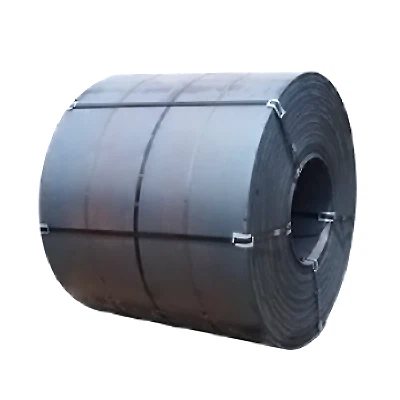

This mixture is suitable for both flat and horizontal welding positions and can produce high - quality welds with good mechanical properties. The argon in the mixture helps to protect the weld pool from oxidation, while the CO₂ promotes a more fluid weld pool and better fusion.
Pure Argon
Pure argon is often used for GTAW of ASTM A537CL2. It provides excellent protection of the weld pool from atmospheric contamination and produces a stable arc. Pure argon is particularly suitable for thin - walled sections and when a high - quality, clean weld is required.
However, pure argon has limited penetration compared to argon - CO₂ mixtures, so it may not be the best choice for thicker sections or when deep penetration is needed.
Argon - Oxygen Mixtures
Argon - oxygen mixtures can also be used for GMAW of ASTM A537CL2. The addition of a small amount of oxygen (usually 1 - 5%) to argon can improve the wetting action of the weld metal, resulting in a smoother bead appearance and better fusion.
These mixtures are often used for welding in the flat and horizontal positions and can provide good arc stability and reduced spatter. However, the oxygen content should be carefully controlled to avoid excessive oxidation of the weld metal.
Case Studies
Let me share a couple of case studies to illustrate the importance of selecting the appropriate shielding gas.
In one project, a customer was welding ASTM A537CL2 plates for a pressure vessel using GMAW. Initially, they used a pure argon shielding gas, expecting a high - quality weld. However, they encountered problems with lack of penetration and poor fusion, especially in the thicker sections of the plates.
After consulting with our technical team, they switched to a 75% argon - 25% CO₂ mixture. The new shielding gas improved the arc stability, increased the penetration, and eliminated the lack of fusion issues. The final welds met the required mechanical properties and quality standards.
In another case, a fabricator was using an argon - oxygen mixture for welding ASTM A537CL2 in a production environment. They found that the welds had a smooth appearance and good fusion, but there was some concern about the potential for increased oxidation. By adjusting the oxygen content from 3% to 2%, they were able to reduce the oxidation while still maintaining the desired weld quality and productivity.
Related Steel Grades
If you are also interested in other steel grades for pressure vessel applications, you may want to explore SA285GrA, SA285GrC A387GR11CL2, and P295GH. These grades have similar applications but may have different welding requirements, including the choice of shielding gas.
Conclusion
Selecting the appropriate shielding gas for welding ASTM A537CL2 is a complex decision that depends on multiple factors, including the welding process, weld quality requirements, and cost. By understanding the characteristics of different shielding gases and their effects on the welding process, you can make an informed choice that will result in high - quality welds.
As a supplier of ASTM A537CL2, I am committed to providing not only high - quality steel products but also technical support to help you with your welding needs. If you are interested in purchasing ASTM A537CL2 or have any questions about shielding gas selection for welding, please don't hesitate to contact us for further discussion and procurement negotiation.
References
- AWS Welding Handbook, Volume 2: Welding Processes. American Welding Society.
- ASTM A537/A537M - 20 Standard Specification for Pressure Vessel Plates, Heat - Treated, Carbon - Manganese - Silicon Steel. ASTM International.