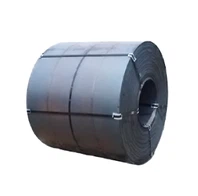
ASTM A514 is a high-strength, quenched, and tempered alloy steel plate that is widely used in applications where high strength and excellent weldability are required. As a supplier of ASTM A514 steel, I often receive inquiries from customers about its machinability. In this blog post, I will delve into the question: Can ASTM A514 be machined easily?
Understanding ASTM A514 Steel
Before discussing its machinability, it's important to understand the properties of ASTM A514 steel. This steel is known for its high yield strength, typically around 100,000 psi (690 MPa), which makes it suitable for structural applications in industries such as construction, mining, and heavy equipment manufacturing. It also has good impact resistance and weldability, which are crucial factors in many engineering designs.
The chemical composition of ASTM A514 steel includes elements such as carbon, manganese, silicon, sulfur, phosphorus, chromium, nickel, and molybdenum. These elements contribute to its high strength and toughness. However, they also affect its machinability to some extent.
Factors Affecting the Machinability of ASTM A514
- Hardness: ASTM A514 steel is relatively hard due to its quenched and tempered heat treatment. The high hardness can make it more difficult to machine compared to softer steels. Hard materials tend to cause more wear on cutting tools, which can lead to shorter tool life and increased machining costs.
- Tool Selection: The choice of cutting tools is crucial when machining ASTM A514. High-speed steel (HSS) tools may not be suitable for this material because of its hardness. Instead, carbide tools are often recommended. Carbide tools have higher heat resistance and wear resistance, which can withstand the high cutting forces and temperatures generated during the machining of hard materials like ASTM A514.
- Cutting Parameters: The cutting parameters, including cutting speed, feed rate, and depth of cut, need to be carefully selected to ensure efficient machining. If the cutting speed is too high, it can cause excessive tool wear and poor surface finish. On the other hand, if the feed rate is too low, the machining process will be slow and inefficient.
- Coolant and Lubrication: Using an appropriate coolant or lubricant is essential when machining ASTM A514. Coolants help to reduce the temperature at the cutting edge, which can prevent tool wear and improve the surface finish of the machined part. They also help to flush away the chips, which can prevent chip clogging and improve the overall machining performance.
Machining Processes for ASTM A514
- Turning: Turning is a common machining process used to produce cylindrical parts. When turning ASTM A514, it is important to use carbide inserts with a proper geometry. The cutting speed should be adjusted according to the tool material and the diameter of the workpiece. A coolant should be applied to keep the cutting edge cool and to improve chip evacuation.
- Milling: Milling is used to produce flat surfaces, slots, and contours. For milling ASTM A514, end mills or face mills made of carbide are recommended. The feed rate and depth of cut should be carefully controlled to avoid excessive tool wear. High-pressure coolant can be used to improve the chip-breaking and to reduce the cutting temperature.
- Drilling: Drilling holes in ASTM A514 can be challenging due to its hardness. Carbide drills are usually required for this task. The drill should be sharp and have a proper point angle. A peck drilling technique can be used to break the chips and to prevent them from clogging the drill flutes. Coolant should be applied to keep the drill cool and to improve the hole quality.
Comparison with Other High-Strength Steels
When comparing the machinability of ASTM A514 with other high-strength steels, such as S890QL and S690QL, it's important to note that each steel has its own unique properties. S890QL and S690QL are also quenched and tempered high-strength steels, but their chemical compositions and mechanical properties may differ from ASTM A514.
In general, the machinability of these steels is similar in terms of the challenges they present, such as high hardness and the need for appropriate cutting tools and parameters. However, the specific performance may vary depending on the exact application and the machining conditions. For example, A514GRF High Strength Steel Plate may have slightly different machinability characteristics compared to other grades of ASTM A514 due to its specific composition and heat treatment.
Tips for Easier Machining of ASTM A514
- Pre-Machining Heat Treatment: In some cases, a pre-machining heat treatment can be performed to reduce the hardness of ASTM A514 and improve its machinability. This can be a cost-effective solution, especially for large-scale machining operations.
- Proper Tool Maintenance: Regularly inspect and sharpen the cutting tools to ensure their optimal performance. Dull tools can cause poor surface finish, increased cutting forces, and premature tool failure.
- Quality Control: Implement a quality control system to monitor the machining process. This can help to detect any issues early and make necessary adjustments to improve the machining efficiency and the quality of the final product.
Conclusion
In conclusion, machining ASTM A514 is not as straightforward as machining softer steels, but it is definitely achievable with the right approach. By understanding the properties of ASTM A514, selecting the appropriate cutting tools and parameters, and using proper coolant and lubrication, it is possible to machine this high-strength steel efficiently and cost-effectively.
If you are in the market for ASTM A514 steel or have any questions about its machining or other properties, I encourage you to reach out for a detailed discussion. Our team of experts is ready to assist you in finding the best solutions for your specific needs.
References
- ASM Handbook, Volume 16: Machining, ASM International.
- Machining Data Handbook, 3rd Edition, Metcut Research Associates, Inc.
- Technical literature provided by tool manufacturers on machining high-strength steels.