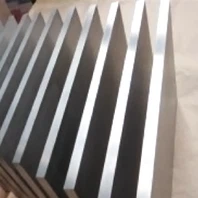
Wearing a steel plate, whether as part of protective gear in industrial settings, for military purposes, or other applications, can have a significant impact on one's posture. As a supplier of high - quality steel plates such as NM500 Wear Steel Plate and NM400 Abrasion Plate, I have seen a variety of uses and understand the intricacies of how these products interact with the human body.
The Basics of Posture
Before delving into how steel plates affect posture, it's essential to understand what good posture is. Good posture refers to the position in which a person holds their body while standing, sitting, or lying down. The body is in proper alignment, with the spine in its natural S - shaped curves. This alignment distributes the body's weight evenly across the joints, reducing stress on muscles and ligaments and minimizing the risk of injury and pain.
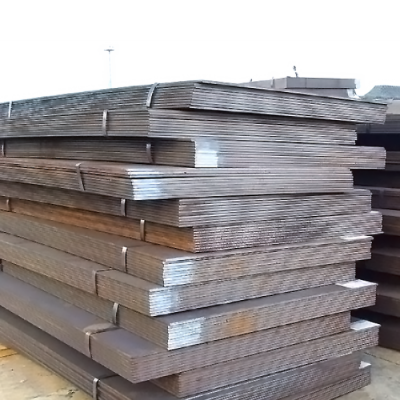

Physical Effects of Wearing Steel Plates on Posture
Added Weight
One of the most obvious effects of wearing a steel plate is the added weight. Steel is a dense material, and even a relatively thin plate can be quite heavy. For instance, a standard NM500 Wear Steel Plate used in industrial wear - protection applications may weigh several kilograms depending on its size and thickness.
When a person wears this additional weight, it can disrupt the body's center of gravity. The body then has to make adjustments to maintain balance. To counteract the forward - pulling force of a heavy steel plate on the chest, for example, the person may instinctively lean backward. This backward lean can cause the natural curves of the spine to flatten, particularly in the lumbar region. Over time, this abnormal curvature can lead to lower back pain, muscle strain, and even long - term spinal problems.
Restricted Movement
Steel plates are often rigid and can limit the range of motion of the wearer. In a military scenario, a soldier wearing body armor with steel plates may find it difficult to bend, twist, or turn as freely as they would without the plates. This restricted movement can force the body into awkward postures.
For example, if a person needs to pick up an object while wearing a steel plate on the chest and abdomen, they may not be able to bend at the waist properly. Instead, they might bend their knees more than usual or use their back muscles in an abnormal way. This can put excessive stress on the knees, hips, and lower back, gradually altering the body's normal movement patterns and posture.
Muscle Fatigue
Carrying the weight of a steel plate requires additional muscle effort. The muscles in the back, shoulders, and neck have to work harder to support the body and maintain a stable posture. As these muscles fatigue, they become less able to hold the body in proper alignment.
The trapezius muscles in the upper back and neck, for instance, may become over - worked when constantly trying to counterbalance the weight of a steel plate on the chest. As the trapezius muscles tire, the shoulders may start to slump forward, and the head may tilt forward as well. This forward head and slumped shoulder posture can cause headaches, neck pain, and pinched nerves.
Psychological and Behavioral Effects on Posture
Self - Consciousness and Tension
Wearing a steel plate can make a person feel self - conscious, especially if it is a highly visible piece of equipment. This self - consciousness can lead to increased muscle tension. The person may hold their body more rigidly in an attempt to maintain a certain appearance or to make the steel plate seem less cumbersome.
This increased muscle tension can have a negative impact on posture. For example, a person may clench their jaw and tense their neck muscles, which can pull the head forward and cause misalignment of the cervical spine. Additionally, the tightness in the shoulder and back muscles can prevent the body from moving fluidly and maintaining a natural posture.
Adaptation and Habit Formation
Over time, a person wearing a steel plate may adapt to the additional weight and restricted movement. These adaptations can turn into habitual postures. Once a bad posture becomes a habit, it can be difficult to break.
For example, if a worker in a factory wears a steel plate for long hours every day, they may develop a permanent forward - leaning posture. This habit can persist even when they are not wearing the steel plate, continuing to cause problems with their spinal health and overall well - being.
Mitigating the Effects of Wearing Steel Plates on Posture
Ergonomic Design
As a steel plate supplier, we understand the importance of ergonomic design. Our NM500 Wear Steel Plate and NM400 Abrasion Plate can be designed with features that help minimize the negative impact on posture. For example, we can use lighter - weight steel alloys without sacrificing strength, reducing the overall weight of the plate.
We can also design plates with a more contoured shape that follows the natural curves of the body. This allows for a better fit and a more even distribution of weight, reducing the strain on specific muscles and joints.
Proper Training and Education
Workers or users of steel plates should receive proper training on how to wear and move with the plates. This training can include instructions on maintaining proper posture while wearing the plates, as well as exercises to strengthen the muscles that are most affected by the additional weight.
For example, exercises that target the core muscles, such as planks and abdominal crunches, can help improve stability and support the spine when wearing a steel plate. Additionally, instructions on how to bend, lift, and move safely while wearing the plate can prevent the development of bad postures.
Regular Breaks and Stretching
Taking regular breaks from wearing the steel plate can give the muscles a chance to rest and recover. During these breaks, stretching exercises can be performed to relieve muscle tension and improve flexibility.
Simple stretching exercises, such as neck rolls, shoulder rolls, and lower back stretches, can be done in a matter of minutes. These exercises can help counteract the effects of muscle fatigue and restricted movement caused by wearing the steel plate.
Conclusion
Wearing a steel plate can have both physical and psychological effects on posture, which can lead to a variety of health problems over time. As a supplier of high - quality steel plates, we are committed to not only providing durable and reliable products but also promoting the well - being of our customers.
If you are in need of steel plates for your industrial, military, or other applications, please feel free to reach out to us for a discussion. Our team of experts can provide you with detailed information about our products, including NM500 Wear Steel Plate and NM400 Abrasion Plate, and help you choose the most suitable option for your needs while considering the impact on posture.
References
- Kippers V, Parker D. The relationship between postural stress and low back pain. Spine. 1990;15(7):668 - 672.
- McGill S. Low Back Disorders: Evidence - Based Prevention and Rehabilitation. Human Kinetics; 2010.
- Nordin M, Frankel VH. Basic Biomechanics of the Musculoskeletal System. Lippincott Williams & Wilkins; 2001.