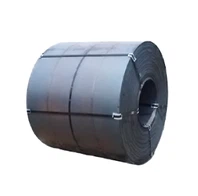
Hey there! As a supplier of cladding steel plates, I've seen firsthand how the surface roughness of these plates can have a huge impact on their performance. In this blog post, I'm gonna break down how surface roughness affects different aspects of cladding steel plate performance and why it's super important to pay attention to it.
What is Surface Roughness?
Before we dive into how surface roughness affects performance, let's quickly go over what it actually is. Surface roughness refers to the microscopic irregularities on the surface of a material. These irregularities can be caused by various factors during the manufacturing process, like machining, grinding, or rolling.
The roughness of a surface is usually measured in terms of Ra (arithmetical mean deviation of the assessed profile). A higher Ra value means a rougher surface, while a lower value indicates a smoother one.
Impact on Corrosion Resistance
One of the most significant ways surface roughness affects the performance of cladding steel plates is in terms of corrosion resistance. When the surface of a cladding steel plate is rough, it has more crevices and valleys where moisture and corrosive agents can accumulate. This creates an ideal environment for corrosion to start and spread.
Imagine a smooth surface as a well - groomed lawn. There are few places for water to pool, and it drains easily. On the other hand, a rough surface is like a lawn full of holes and bumps. Water gets trapped in those low - lying areas, and if that water contains corrosive substances, it can start eating away at the steel.
For example, in marine environments where cladding steel plates are often used, a rough surface can accelerate the onset of rust and pitting corrosion. The rough areas provide sites for the formation of rust nuclei, and once corrosion starts, it can quickly spread across the surface.
To improve corrosion resistance, it's crucial to have a smooth surface finish. Our A516GR70 +304L Clad Plate is designed with a relatively smooth surface to enhance its ability to withstand corrosion in various conditions.
Influence on Weldability
Surface roughness also plays a key role in the weldability of cladding steel plates. When you're welding two plates together, a rough surface can cause problems. The irregularities on the surface can trap air, moisture, and contaminants, which can lead to porosity in the weld.
Porosity in a weld is like having tiny holes in a structure. It weakens the joint and reduces its overall strength. During the welding process, the heat melts the base metal and the filler material, and if there are contaminants or air pockets on the surface, they can get incorporated into the weld pool.
A smooth surface, on the other hand, allows for better contact between the plates and the welding electrode. It also reduces the chances of trapping air and contaminants, resulting in a stronger and more reliable weld. Our A537CL2+304L -Stainless Steel Clad Plate is manufactured with a controlled surface roughness to ensure excellent weldability.
Effect on Friction and Wear
In applications where the cladding steel plate comes into contact with other surfaces, surface roughness can significantly affect friction and wear. A rough surface has more asperities (tiny bumps), which increase the contact area and friction between the two surfaces.
Higher friction can lead to more wear and tear on the plate. For example, if a cladding steel plate is used in a conveyor system where it slides against other components, a rough surface will cause more resistance and wear out faster. This can result in increased maintenance costs and downtime.
On the contrary, a smooth surface reduces friction and wear. It allows for smoother movement and longer service life of the plate. Our S355JR+304L cladding steel plate is engineered to have an appropriate surface finish to minimize friction and wear in different industrial applications.
Impact on Aesthetic Appearance
Let's not forget about the aesthetic aspect. In some applications, the appearance of the cladding steel plate matters. A rough surface can look unappealing and give the impression of a low - quality product.
Whether it's used in architectural structures or consumer products, a smooth and uniform surface finish can enhance the overall look of the final product. It gives a more professional and high - end appearance.
Controlling Surface Roughness
As a supplier, we have several methods to control the surface roughness of our cladding steel plates. During the manufacturing process, we can use different machining techniques to achieve the desired surface finish. For example, grinding can be used to reduce surface roughness and create a smoother surface.
We also have strict quality control measures in place to ensure that the surface roughness of our plates meets the required standards. Before the plates are shipped out, they are thoroughly inspected to make sure they have the right surface finish.
Conclusion
In conclusion, the surface roughness of cladding steel plates has a far - reaching impact on their performance. It affects corrosion resistance, weldability, friction and wear, and even the aesthetic appearance. As a supplier, we understand the importance of providing cladding steel plates with the right surface finish to meet the diverse needs of our customers.
If you're in the market for high - quality cladding steel plates and want to learn more about how surface roughness can affect your specific application, don't hesitate to reach out to us. We're here to help you make the best choice for your project.
References
- "Surface Engineering for Corrosion and Wear Resistance" by John Wiley & Sons
- "Welding Metallurgy and Weldability of Stainless Steels" by John C. Lippold and David J. Kotecki