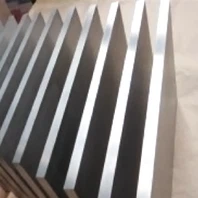
Hey there, folks! I'm a heavy plate supplier, and I often get asked a super common question: Can heavy plates be used in high - temperature environments? Well, let's dig into this topic and find out.
First off, we need to understand what heavy plates are. Heavy plates are thick steel sheets that are used in a wide range of industries, like construction, manufacturing, and energy. They come in different grades and compositions, each designed for specific applications.
Now, when it comes to high - temperature environments, things get a bit tricky. High temperatures can have a significant impact on the properties of heavy plates. For example, steel can start to lose its strength and hardness as the temperature rises. This is because the atomic structure of the steel changes under high heat.

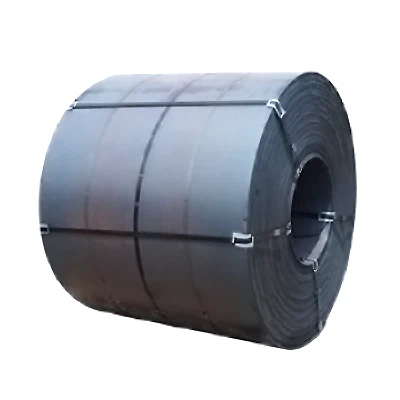
Let's talk about some of the common grades of heavy plates and how they perform in high - temperature situations.
One popular grade is A633GRD. This is a low - alloy steel plate. It's known for its good notch toughness and strength at low temperatures. But what about high temperatures? Well, A633GRD has a certain temperature limit. When the temperature goes above this limit, its mechanical properties start to degrade. The carbon and alloying elements in the steel react with the heat, causing the steel to become softer and less able to withstand heavy loads.
Another well - known grade is A572GR50. A572GR50 is widely used in structural applications because of its high strength - to - weight ratio. In high - temperature environments, it also faces challenges. The alloying elements in A572GR50, such as manganese and vanadium, play a role in its performance. At elevated temperatures, these elements can cause the steel to form different phases, which can affect its ductility and strength.
Then there's S355J2. This is a structural steel plate with good weldability and impact resistance. In high - temperature scenarios, S355J2's performance depends on how long it's exposed to the heat and how high the temperature is. Prolonged exposure to high temperatures can lead to grain growth in the steel, which reduces its toughness and increases the risk of cracking.
So, can heavy plates be used in high - temperature environments? The answer is yes, but with some conditions.
If you're dealing with relatively mild high - temperature situations, say up to 300 - 400 degrees Celsius, some heavy plates can still perform well. You just need to choose the right grade and make sure the design takes into account the reduced strength at high temperatures. For example, you might need to increase the thickness of the plate or use additional support structures.
However, for extremely high - temperature environments, like those in some industrial furnaces or power plants, special high - temperature - resistant heavy plates are required. These plates are usually made with advanced alloying elements, such as chromium, nickel, and molybdenum. These elements form a protective oxide layer on the surface of the steel, which helps to prevent further oxidation and maintain the steel's strength at high temperatures.
When choosing a heavy plate for a high - temperature application, you also need to consider other factors. One important factor is the duration of exposure to high temperatures. Short - term exposure might not cause as much damage as long - term exposure. Another factor is the presence of other elements in the environment, like sulfur or oxygen. These elements can react with the steel at high temperatures and accelerate its degradation.
As a heavy plate supplier, I've seen many customers make mistakes when it comes to using heavy plates in high - temperature environments. Some customers choose the wrong grade of plate, thinking that any heavy plate will do. Others don't consider the long - term effects of high - temperature exposure. That's why it's crucial to have a good understanding of the application and to consult with experts.
I've worked with a lot of clients in different industries. For example, in the petrochemical industry, they often need heavy plates for storage tanks and pipelines that are exposed to high - temperature fluids. In these cases, we need to carefully select the right grade of heavy plate to ensure the safety and reliability of the equipment.
If you're in the market for heavy plates for high - temperature applications, don't hesitate to reach out. I can help you choose the right grade of heavy plate based on your specific needs. Whether you're building a new industrial facility or upgrading an existing one, I've got the knowledge and the products to meet your requirements.
Contact me for a detailed discussion about your heavy plate needs. We can talk about the different grades, the costs, and the best solutions for your high - temperature applications. Let's work together to ensure your project is a success.
References
- ASM Handbook, Volume 1: Properties and Selection: Irons, Steels, and High - Performance Alloys
- Steel Construction Manual, American Institute of Steel Construction