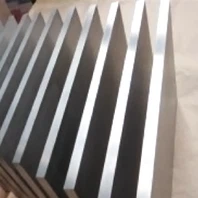
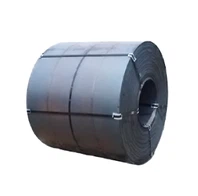
As a heavy plate supplier, I often encounter questions from clients about various properties of heavy plates, and one of the frequently asked questions is about the shear strength of heavy plates. In this blog, I'll delve into what shear strength is, how it applies to heavy plates, and why it matters in different industries.
Understanding Shear Strength
Shear strength is a fundamental mechanical property that refers to the maximum amount of shear stress a material can withstand before it fails. Shear stress occurs when two parallel forces act in opposite directions on a material, causing one part of the material to slide or deform relative to another part. Imagine cutting a piece of paper with scissors; the blades of the scissors apply a shear force that causes the paper to separate along the line of the cut. In the context of heavy plates, shear strength is crucial because heavy plates are often used in applications where they are subjected to forces that can cause shear failure.
Factors Affecting the Shear Strength of Heavy Plates
Material Composition
The chemical composition of a heavy plate has a significant impact on its shear strength. Different alloying elements can enhance or reduce the shear strength of the plate. For example, carbon is a common alloying element in steel plates. An appropriate amount of carbon can increase the hardness and strength of the steel, thereby improving its shear strength. However, too much carbon can make the steel brittle, reducing its toughness and potentially its shear strength under certain conditions.
In addition to carbon, other alloying elements such as manganese, chromium, and nickel can also affect the shear strength. Manganese can improve the hardenability of steel, which in turn can enhance its shear strength. Chromium can increase the corrosion resistance and hardness of the steel, contributing to better shear performance. Nickel can improve the toughness and ductility of the steel, which is beneficial for maintaining shear strength in applications where the plate may experience dynamic or impact loads.
Heat Treatment
Heat treatment is another critical factor that can significantly alter the shear strength of heavy plates. Processes such as annealing, quenching, and tempering can change the microstructure of the steel, which directly affects its mechanical properties, including shear strength.
Annealing is a heat treatment process that involves heating the steel to a specific temperature and then slowly cooling it. This process can relieve internal stresses in the steel, refine the grain structure, and improve its ductility. While annealing may slightly reduce the hardness of the steel, it can also improve its overall toughness, which can be beneficial for shear strength in some applications.
Quenching is a rapid cooling process that can increase the hardness and strength of the steel. By quenching the steel from a high temperature, a martensitic microstructure can be formed, which has high strength but relatively low ductility. To balance the hardness and ductility, quenching is often followed by tempering. Tempering involves reheating the quenched steel to a lower temperature and then cooling it. This process can reduce the brittleness of the quenched steel and improve its toughness, resulting in a better combination of strength and ductility, which is favorable for shear strength.
Plate Thickness
The thickness of a heavy plate can also influence its shear strength. Generally, thicker plates may have different shear behavior compared to thinner plates. Thicker plates may have a more complex stress distribution within the material, which can affect the initiation and propagation of shear cracks. In some cases, thicker plates may require higher shear forces to cause failure, but they may also be more prone to internal defects or non - uniform stress distribution, which can reduce their effective shear strength.
Shear Strength in Different Types of Heavy Plates
Low - Alloy Steel Plates
Low - alloy steel plates are widely used in various industries due to their good combination of strength, toughness, and weldability. For example, A537CL1 A537CL2 A537CL3 Asme Sa516 are types of low - alloy steel plates that are commonly used in pressure vessel applications. These plates are designed to have specific mechanical properties, including shear strength, to ensure the safety and reliability of the pressure vessels. The shear strength of these plates is carefully controlled through the selection of appropriate alloying elements and heat treatment processes.
Another example is the P265GH Plate A516 Gr 70. These plates are often used in the construction of boilers and other high - temperature equipment. They need to have sufficient shear strength to withstand the internal pressures and mechanical stresses during operation. The alloying elements in these plates are optimized to provide good shear strength at elevated temperatures, as well as resistance to corrosion and creep.


High - Strength Low - Alloy (HSLA) Steel Plates
HSLA steel plates are known for their high strength - to - weight ratio. They are used in applications where weight reduction is important, such as in the automotive and aerospace industries. SM520B is a type of HSLA steel plate. These plates have relatively high shear strength due to their fine - grained microstructure and the presence of alloying elements such as niobium, vanadium, and titanium. These elements can strengthen the steel through precipitation hardening and grain refinement, resulting in improved shear performance.
Importance of Shear Strength in Different Industries
Construction Industry
In the construction industry, heavy plates are used in the construction of buildings, bridges, and other infrastructure projects. Shear strength is crucial for ensuring the structural integrity of these structures. For example, in a bridge, the heavy plates used in the girders and columns need to have sufficient shear strength to withstand the horizontal forces caused by wind, traffic, and seismic activity. If the shear strength of the plates is insufficient, it can lead to shear failure, which can cause the structure to collapse.
Manufacturing Industry
In the manufacturing industry, heavy plates are used to make various machinery and equipment. For example, in the manufacturing of heavy - duty presses and forging machines, the plates used in the frames and components need to have high shear strength to withstand the large forces generated during the manufacturing process. Insufficient shear strength can result in premature failure of the equipment, leading to production downtime and increased maintenance costs.
Energy Industry
In the energy industry, heavy plates are used in the construction of oil and gas pipelines, power plants, and offshore platforms. These structures are subjected to harsh environmental conditions and high internal pressures. The shear strength of the plates is essential for ensuring the safety and reliability of these facilities. For example, in an offshore platform, the heavy plates used in the legs and deck structures need to have sufficient shear strength to withstand the wave forces, wind loads, and the weight of the equipment on the platform.
How We Ensure the Shear Strength of Our Heavy Plates
As a heavy plate supplier, we take several measures to ensure that our plates meet the required shear strength standards. First, we carefully select the raw materials. We source our steel from reliable suppliers who have strict quality control systems in place. We conduct thorough chemical analysis and mechanical testing on the incoming raw materials to ensure that they meet our specifications.
Second, we use advanced manufacturing processes. Our heat treatment facilities are equipped with state - of - the - art equipment that allows us to precisely control the heating and cooling rates during the heat treatment process. This ensures that the plates have the desired microstructure and mechanical properties, including shear strength.
Third, we perform comprehensive quality control testing on the finished plates. We use non - destructive testing methods such as ultrasonic testing and magnetic particle testing to detect any internal defects in the plates. We also conduct destructive testing, such as shear strength testing, to verify that the plates meet the specified shear strength requirements.
Contact Us for Your Heavy Plate Needs
If you are in need of heavy plates with specific shear strength requirements, we are here to help. Our team of experts can provide you with detailed information about the shear strength of our different types of heavy plates and help you select the most suitable plates for your application. Whether you are in the construction, manufacturing, or energy industry, we have the expertise and the products to meet your needs. Contact us today to start a discussion about your heavy plate procurement.
References
- ASM Handbook Committee. ASM Handbook Volume 1: Properties and Selection: Irons, Steels, and High - Performance Alloys. ASM International, 2007.
- Bhadeshia, H. K. D. H., & Honeycombe, R. W. K. Steels: Microstructure and Properties. Elsevier, 2011.
- Dieter, G. E. Mechanical Metallurgy. McGraw - Hill, 1986.