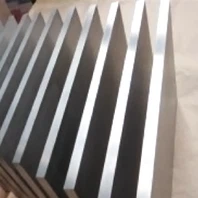
Hey there! As a cladding steel plate supplier, I've had my fair share of dealing with both domestic and imported cladding steel plates. And let me tell you, there are some pretty significant differences between the two. In this blog, I'll break down these differences for you so you can make an informed decision when it comes to your next purchase.
Quality and Standards
One of the first things you'll notice when comparing domestic and imported cladding steel plates is the quality and the standards they adhere to. Domestic cladding steel plates are usually manufactured according to the local standards and regulations. These standards are designed to ensure that the products meet the specific needs and requirements of the local market. For example, in some countries, there are strict regulations regarding the environmental impact of the manufacturing process, so domestic manufacturers have to follow these rules to the letter.
On the other hand, imported cladding steel plates often come from countries with their own set of standards. Some well - known international standards, like ASTM in the United States, are widely recognized for their high - quality benchmarks. When you import a plate certified under ASTM, you're getting a product that has been tested and verified to meet these rigorous international criteria.
For instance, our A537CL2+304L - Stainless Steel Clad Plate is a popular choice. If it's an imported version, it might have gone through more in - depth corrosion resistance tests as per international standards compared to some domestic counterparts. This can be a big deal, especially if you're using the cladding steel plate in a harsh environment where corrosion is a major concern.
Price
Price is always a major factor in any purchasing decision. Generally speaking, domestic cladding steel plates tend to be more budget - friendly. This is because they don't have to incur the additional costs associated with international shipping, import duties, and taxes. Also, domestic manufacturers often have a better understanding of the local market and can price their products more competitively.
Imported cladding steel plates, however, can be more expensive. The cost of transporting the plates across long distances, along with the various fees and tariffs, adds up. But it's not always a straightforward matter of domestic being cheaper. Sometimes, the quality and unique features of imported plates can justify the higher price. For example, if an imported plate has a longer lifespan or better performance characteristics, the extra cost might be worth it in the long run. Our A516GR70 +304L Clad Plate might come in different price ranges depending on whether it's domestic or imported.
Lead Time
Lead time is another crucial difference. When you order domestic cladding steel plates, you can usually expect a shorter lead time. Since the manufacturing facilities are nearby, the production process can be closely monitored, and the plates can be delivered to you much faster. This is great if you have a tight project schedule and need the plates right away.
Imported cladding steel plates, on the other hand, can take a long time to arrive. There are multiple steps involved in the import process, including shipping, customs clearance, and inspections. Delays can occur at any of these stages, which means you might have to wait weeks or even months for your order to arrive. So, if time is of the essence, domestic plates are probably the way to go.
Availability of Customization
Domestic suppliers are often more flexible when it comes to customization. They are closer to the customers and can better understand the specific needs of local projects. You can easily communicate your requirements, such as size, shape, and special coatings, and the domestic manufacturer can usually accommodate these requests without much hassle.
Imported suppliers might have more standardized products. While they can offer some customization, it might be more limited due to the long - distance communication and the need to follow their existing production processes. For example, if you need a very specific thickness or a unique alloy combination for your S355JR+304L, a domestic supplier might be more willing and able to work with you to create a custom solution.
Technical Support
Domestic suppliers typically provide better technical support. They have a team of experts who are familiar with the local market conditions and can offer on - site assistance if needed. You can easily reach out to them for advice on installation, maintenance, and any other technical issues you might encounter.
Imported suppliers, on the other hand, might have a language barrier and time - zone differences. Getting quick and efficient technical support can be a challenge. Even though they might have a good technical team, the communication hurdles can make it difficult to resolve problems in a timely manner.
Material Sourcing
The source of raw materials also differs between domestic and imported cladding steel plates. Domestic manufacturers usually source their raw materials locally. This can be an advantage in terms of quality control and cost - effectiveness. They can closely monitor the quality of the raw materials and have more control over the supply chain.
Imported plates might use raw materials from different parts of the world. While this can sometimes result in a wider variety of alloys and better - quality materials, it also means that there are more variables in the supply chain. For example, if there are any disruptions in the source country, it can affect the production and delivery of the imported cladding steel plates.
Aesthetics and Finish
In terms of aesthetics and finish, both domestic and imported plates can offer high - quality results. However, imported plates might have a more consistent finish in some cases. This is because they often follow strict international quality control measures during the manufacturing process.
Domestic plates, on the other hand, can also have a great finish, but there might be more variation depending on the individual manufacturer. If aesthetics are a top priority for your project, it's worth comparing samples from both domestic and imported suppliers.
Environmental Impact
Domestic cladding steel plate manufacturers are usually more in tune with the local environmental regulations. They are likely to use more sustainable manufacturing processes and materials that are compliant with local environmental standards. This can be an important factor if your project has specific environmental requirements.
Imported plates might come from countries with different environmental policies. While some countries have very strict environmental regulations, others might not. So, it's important to do your research and make sure that the imported plates meet your environmental expectations.
Conclusion
So, there you have it - the main differences between domestic and imported cladding steel plates. Each option has its own pros and cons, and the right choice depends on your specific needs, budget, and project requirements. If you're on a tight budget and need quick delivery, domestic plates are probably the way to go. But if you're looking for high - quality, internationally - certified products with unique features, imported plates might be worth the extra cost.
As a cladding steel plate supplier, I'm here to help you make the best decision for your project. Whether you're interested in domestic or imported plates, I can provide you with detailed information, samples, and competitive quotes. If you have any questions or would like to start a purchase negotiation, don't hesitate to reach out. I'm looking forward to working with you to find the perfect cladding steel plate for your needs.
References
- ASTM International Standards for Steel Plates
- Local Industry Reports on Cladding Steel Plate Manufacturing
- Research Papers on the Comparison of Domestic and Imported Steel Products