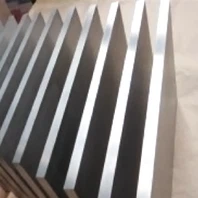
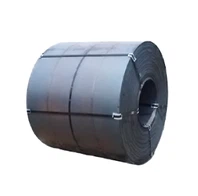
As a supplier of Pressure Vessel Plates, I often encounter inquiries from clients about the maximum pressure these plates can withstand. This is a crucial question, as the safety and efficiency of pressure vessels largely depend on the pressure - bearing capacity of the plates used in their construction. In this blog, I'll delve into the factors that determine the maximum pressure of Pressure Vessel Plates and provide some insights for those in need.
Understanding Pressure Vessel Plates
Pressure vessel plates are specifically designed to hold liquids or gases at a pressure substantially different from the ambient pressure. These plates are used in a wide range of industries, including oil and gas, chemical processing, power generation, and food and beverage. They need to have excellent mechanical properties, such as high strength, good toughness, and resistance to corrosion, to ensure the safe operation of pressure vessels.
Factors Affecting the Maximum Pressure
Material Composition
The material of the pressure vessel plate is one of the most significant factors influencing its pressure - bearing capacity. Different materials have different inherent strengths. For example, steel is a common choice for pressure vessel plates due to its high strength and relatively low cost. Alloy steels, which contain elements like chromium, molybdenum, and nickel, can offer even higher strength and better corrosion resistance than carbon steels.
Some popular grades of pressure vessel plates include SA285GrC A387GR11CL2, P295GH, and P335GH Pressure Plate SA516GR70. SA285GrC is a carbon steel plate used for moderate - and lower - temperature service. A387GR11CL2 is a chromium - molybdenum alloy steel plate, which has better high - temperature strength and resistance to hydrogen attack. P295GH is a European standard pressure vessel steel plate, suitable for welded pressure vessels operating at ambient and moderately elevated temperatures. P335GH and SA516GR70 are also well - known for their good mechanical properties and are widely used in various pressure vessel applications.
Plate Thickness
Thicker plates generally can withstand higher pressures. As the thickness of the plate increases, its ability to resist deformation and rupture under pressure also improves. However, increasing the plate thickness is not always a practical solution, as it can lead to increased weight, higher costs, and more challenging manufacturing processes. Therefore, engineers need to carefully calculate the required plate thickness based on the design pressure, diameter of the pressure vessel, and other factors.
Design and Manufacturing Quality
The design of the pressure vessel plays a vital role in determining the maximum pressure it can handle. A well - designed pressure vessel should have a proper shape, smooth transitions, and appropriate reinforcement at critical points. During the manufacturing process, strict quality control is necessary to ensure that the plates are free from defects such as cracks, porosity, and inclusions. Welding, which is a common joining method for pressure vessel plates, also needs to be of high quality to maintain the integrity of the vessel.
Temperature
Temperature has a significant impact on the mechanical properties of pressure vessel plates. As the temperature increases, the strength of the material generally decreases. High - temperature environments can also accelerate corrosion and creep, which can further reduce the pressure - bearing capacity of the plates. Therefore, when designing pressure vessels for high - temperature applications, special materials and design considerations are required to ensure their safe operation.


Calculating the Maximum Pressure
Determining the maximum pressure that a pressure vessel plate can withstand is a complex process that involves engineering calculations and standards compliance. In general, engineers use formulas based on the principles of mechanics and materials science to calculate the allowable stress and pressure of the plates. These calculations take into account factors such as the material properties, plate thickness, vessel geometry, and operating conditions.
There are several international standards and codes that provide guidelines for the design, fabrication, and inspection of pressure vessels, such as the ASME Boiler and Pressure Vessel Code in the United States and the EN standards in Europe. These standards specify the minimum requirements for materials, design calculations, and manufacturing processes to ensure the safety of pressure vessels.
Real - World Applications
In the oil and gas industry, pressure vessels are used for storing and transporting various fluids, such as crude oil, natural gas, and refined products. These vessels often operate at high pressures and temperatures, so the pressure vessel plates used in their construction need to have high strength and excellent corrosion resistance. For example, offshore oil platforms may use pressure vessels with plates that can withstand pressures of several thousand pounds per square inch (psi).
In the chemical processing industry, pressure vessels are used for chemical reactions, separation processes, and storage of hazardous chemicals. The plates need to be resistant to the corrosive effects of the chemicals and be able to maintain their integrity under high - pressure conditions.
In the power generation industry, pressure vessels are used in steam boilers, nuclear reactors, and other power - generating equipment. These vessels need to operate at high pressures and temperatures to ensure efficient power generation. The pressure vessel plates used in these applications are often made of high - performance alloy steels.
Ensuring Safety
Safety is the top priority when it comes to pressure vessels. Regular inspection and maintenance are essential to detect any potential problems, such as corrosion, fatigue, and cracking, before they lead to a failure. Non - destructive testing methods, such as ultrasonic testing, radiographic testing, and magnetic particle testing, can be used to detect internal and surface defects in the plates.
In addition, operators of pressure vessels need to follow strict operating procedures and safety regulations to ensure the safe operation of the vessels. This includes monitoring the pressure, temperature, and other operating parameters, and taking appropriate actions in case of any abnormal conditions.
Conclusion
The maximum pressure that a Pressure Vessel Plate can withstand is determined by a combination of factors, including material composition, plate thickness, design and manufacturing quality, and temperature. As a supplier of Pressure Vessel Plates, I understand the importance of providing high - quality products that meet the specific requirements of our clients. We offer a wide range of pressure vessel plates, including SA285GrC A387GR11CL2, P295GH, and P335GH Pressure Plate SA516GR70, to meet the diverse needs of different industries.
If you are in the market for Pressure Vessel Plates or have any questions about their pressure - bearing capacity, please feel free to contact us for more information and to discuss your specific requirements. Our team of experts is ready to assist you in selecting the right plates for your applications.
References
- ASME Boiler and Pressure Vessel Code.
- EN standards for pressure vessels.
- Textbooks on materials science and engineering, such as "Materials Science and Engineering: An Introduction" by William D. Callister Jr. and David G. Rethwisch.
- Industry research reports on pressure vessel applications and technologies.