Hey there! I'm an ASME SA516 steel supplier, and I'm super stoked to walk you through the manufacturing process of ASME SA516 steel. This steel is pretty popular, especially in the pressure vessel industry, 'cause it's got great toughness and weldability. So, let's dive right in!
Raw Material Selection
The first step in making ASME SA516 steel is picking the right raw materials. We need high - quality iron ore, scrap steel, and various alloying elements. Iron ore is the main source of iron, and we usually get it from reliable mines. Scrap steel is also mixed in, which helps in recycling and reducing costs.
Alloying elements like carbon, manganese, silicon, and sulfur are added in specific amounts. Carbon gives the steel its strength, while manganese improves its hardenability and ductility. Silicon helps with deoxidation during the steel - making process, and we need to keep the sulfur content low 'cause it can make the steel brittle. We make sure to source these materials from trusted suppliers to ensure the quality of the final product.
Steelmaking
Once we have all the raw materials, it's time to make the steel. There are two main methods for this: the basic oxygen furnace (BOF) and the electric arc furnace (EAF).
The BOF method is commonly used when we start with iron ore. In this process, molten iron from a blast furnace is poured into the BOF. Then, pure oxygen is blown into the furnace at high speed. The oxygen reacts with the impurities in the molten iron, like carbon, silicon, and phosphorus, burning them off. This reduces the carbon content and purifies the steel.
On the other hand, the EAF method is used when we're mainly using scrap steel. An electric arc is created between electrodes and the scrap steel, which melts the steel. We can also add alloying elements during this process to get the desired chemical composition.
After the steel is made, we do some refining. This involves removing any remaining impurities and adjusting the chemical composition. We use processes like ladle refining, where the molten steel is transferred to a ladle and treated with various agents to remove sulfur, oxygen, and other unwanted elements.
Continuous Casting
Once the steel is refined, it's time to turn it into a more usable form. We use continuous casting for this. The molten steel is poured into a water - cooled mold, which gives it an initial shape. As the steel starts to solidify, it is slowly pulled out of the mold in a continuous strand.
This process is really efficient 'cause it can produce long lengths of steel with a consistent cross - section. The continuous casting machine can be adjusted to produce different shapes, like slabs, blooms, or billets. For ASME SA516 steel, we usually produce slabs, which are then further processed into plates.
Rolling
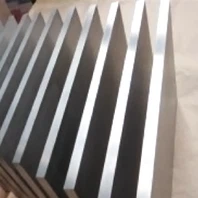
After continuous casting, the slabs are sent to the rolling mill. Rolling is a crucial step in the manufacturing process of ASME SA516 steel plates. The slabs are heated to a high temperature, usually around 1100 - 1200°C, in a reheating furnace. This makes the steel more malleable and easier to roll.
The heated slabs are then passed through a series of rolling stands. Each stand reduces the thickness of the slab and increases its length. The rolling process can be either hot rolling or cold rolling. For ASME SA516 steel, hot rolling is the primary method.
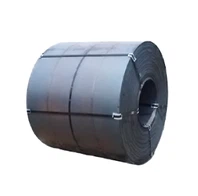
Hot rolling gives the steel its final shape and also improves its mechanical properties. It aligns the grain structure of the steel, making it stronger and more uniform. After hot rolling, the plates are cooled down, either in air or by water quenching, depending on the desired properties.
Heat Treatment
Heat treatment is another important step to ensure the quality of ASME SA516 steel. There are different types of heat treatment processes, but for this steel, normalizing and stress relieving are commonly used.
Normalizing involves heating the steel plates to a specific temperature, usually above the critical temperature, and then cooling them in air. This refines the grain structure of the steel, improving its toughness and strength. It also helps to eliminate any internal stresses that may have been introduced during the rolling process.
Stress relieving is done after welding or other fabrication processes. The plates are heated to a lower temperature, typically around 600 - 650°C, and held at that temperature for a certain period of time. This reduces the internal stresses in the steel, preventing cracking and improving its dimensional stability.
Quality Control
Throughout the manufacturing process, we have strict quality control measures in place. We test the chemical composition of the steel using methods like spectroscopy. This ensures that the steel meets the requirements of the ASME SA516 standard.
We also test the mechanical properties of the steel, such as tensile strength, yield strength, and elongation. These tests are done using universal testing machines. Impact testing is also carried out to check the toughness of the steel at different temperatures.
In addition to these tests, we also do non - destructive testing, like ultrasonic testing and magnetic particle testing, to detect any internal or surface defects in the steel plates. Only after the steel passes all these tests can it be considered a high - quality ASME SA516 steel product.
Comparison with Other Steels
ASME SA516 steel has its own unique properties, but it's also interesting to compare it with other steels. For example, A572GR50 Carbon Steel Plate is a low - alloy steel known for its high strength. While A572GR50 has higher strength, ASME SA516 is more focused on toughness and weldability, which makes it ideal for pressure vessel applications.
SM570 is another steel that is used in similar applications. SM570 has good strength and toughness, but ASME SA516 has better performance in terms of resistance to brittle fracture, especially at low temperatures.
High Strength Plate is a general term for steels with high strength. ASME SA516 may not have the same high strength as some high - strength plates, but its combination of toughness and weldability makes it a top choice for many industries.
Conclusion
So, that's the manufacturing process of ASME SA516 steel in a nutshell. From raw material selection to quality control, every step is crucial to ensure the high quality of the final product. As a supplier, I'm really proud of the work we do to produce this excellent steel.
If you're in the market for ASME SA516 steel, I'd love to have a chat with you. Whether you need it for pressure vessels, boilers, or other applications, we can provide you with top - notch products. Just reach out, and we can start the procurement and negotiation process.
References
- ASME Boiler and Pressure Vessel Code
- Steelmaking and Refining Handbook
- Handbook of Steel Rolling