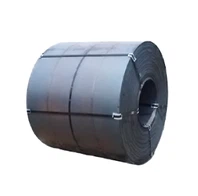
When it comes to steel plate cladding, there are various options available in the market, each with its own unique characteristics and applications. As a leading supplier of cladding steel plates, I have witnessed firsthand the diverse needs of our customers and the different types of cladding materials they choose. In this blog post, I will explore the differences between stainless steel cladding and other types of cladding on steel plates, highlighting their advantages, disadvantages, and typical use cases.
Understanding Cladding on Steel Plates
Cladding is a process of bonding a layer of one material to the surface of another material to enhance its properties or appearance. In the context of steel plates, cladding is used to improve corrosion resistance, wear resistance, heat resistance, or aesthetic appeal. The cladding material can be a different type of steel, a non - ferrous metal, or a composite material.
Stainless Steel Cladding
Stainless steel cladding involves bonding a layer of stainless steel to the surface of a carbon or low - alloy steel plate. This combination offers the best of both worlds: the strength and affordability of carbon or low - alloy steel and the corrosion resistance and aesthetic appeal of stainless steel.
Advantages
- Corrosion Resistance: Stainless steel is well - known for its excellent corrosion resistance, especially in harsh environments such as chemical processing plants, offshore platforms, and food processing facilities. By cladding a carbon steel plate with stainless steel, we can protect the base steel from corrosion, extending the service life of the structure.
- Aesthetic Appeal: Stainless steel has a sleek and modern appearance, making it a popular choice for architectural applications. It can be used in building facades, interior decoration, and structural components where visual appeal is important.
- Cost - Effectiveness: Compared to using solid stainless steel plates, stainless steel cladding is a more cost - effective solution. We can use a thinner layer of stainless steel on a carbon steel substrate, reducing the overall material cost while still achieving the desired performance.
Disadvantages
- Higher Initial Cost: Although stainless steel cladding is cost - effective in the long run, the initial investment can be higher than some other types of cladding. The cost of stainless steel and the cladding process itself contribute to this.
- Limited Weldability: Welding stainless steel - clad plates requires special techniques and expertise. Improper welding can lead to issues such as dilution of the stainless steel layer, which may affect the corrosion resistance.
Typical Use Cases
- Chemical Industry: In chemical plants, stainless steel - clad plates are used for storage tanks, reaction vessels, and piping systems to resist the corrosive effects of chemicals.
- Food and Beverage Industry: Due to its hygienic properties and corrosion resistance, stainless steel - clad plates are ideal for food processing equipment, such as tanks, conveyors, and mixing vessels.
- Architectural Applications: As mentioned earlier, stainless steel - clad plates are used in building facades, handrails, and decorative elements to enhance the visual appeal of buildings.
Some of our popular stainless steel - clad plate products include A516GR70 +304L Clad Plate, A537CL2+304L -Stainless Steel Clad Plate, and S355JR+304L.
Other Types of Cladding on Steel Plates
Aluminum Cladding
- Advantages: Aluminum is lightweight, has good corrosion resistance, and is highly conductive. It is also relatively easy to form and fabricate. Aluminum - clad steel plates are often used in applications where weight reduction is important, such as in the automotive and aerospace industries.
- Disadvantages: Aluminum has a lower strength compared to steel, and its corrosion resistance may be limited in some aggressive environments. It also has a lower melting point, which can be a concern in high - temperature applications.
- Typical Use Cases: Automotive body panels, aircraft components, and some types of heat exchangers.
Copper Cladding
- Advantages: Copper has excellent electrical and thermal conductivity, as well as good corrosion resistance. Copper - clad steel plates are used in electrical applications, such as bus bars and grounding systems, where high conductivity is required.
- Disadvantages: Copper is more expensive than some other cladding materials, and it can be prone to oxidation in certain environments, which may affect its performance.
- Typical Use Cases: Electrical power distribution systems, electronic devices, and some types of heat transfer equipment.
Titanium Cladding
- Advantages: Titanium has extremely high corrosion resistance, especially in seawater and other aggressive environments. It is also lightweight and has a high strength - to - weight ratio. Titanium - clad steel plates are used in applications where corrosion resistance and weight reduction are critical, such as in offshore oil and gas platforms and marine vessels.
- Disadvantages: Titanium is a very expensive material, and the cladding process is complex and costly. This makes titanium - clad plates less cost - effective for some applications.
- Typical Use Cases: Offshore oil and gas structures, desalination plants, and high - performance marine equipment.
Comparison Table
| Cladding Type | Corrosion Resistance | Strength | Cost | Aesthetic Appeal | Weldability | Typical Applications |
|---|---|---|---|---|---|---|
| Stainless Steel | Excellent | High | Moderate (higher initial) | Good | Requires special techniques | Chemical, food, architecture |
| Aluminum | Good | Lower | Moderate | Fair | Relatively easy | Automotive, aerospace |
| Copper | Good | Moderate | High | Fair | Can be challenging | Electrical |
| Titanium | Excellent | High | Very high | Fair | Complex | Offshore, marine |
Choosing the Right Cladding for Your Application
When choosing the right cladding for a steel plate, several factors need to be considered:
- Environment: The corrosiveness of the environment is a key factor. For harsh chemical or marine environments, stainless steel or titanium cladding may be the best choice. In less corrosive environments, aluminum or copper cladding could be sufficient.
- Mechanical Requirements: If high strength is required, stainless steel or titanium cladding may be more suitable. For applications where weight reduction is important, aluminum cladding may be preferred.
- Cost: Cost is always a consideration. While stainless steel cladding offers a good balance between performance and cost, other materials may be more cost - effective depending on the specific application.
- Aesthetic Requirements: If the appearance of the structure is important, stainless steel cladding provides a modern and attractive look.
Contact Us for Your Cladding Steel Plate Needs
As a professional cladding steel plate supplier, we have the expertise and resources to provide you with high - quality cladding steel plates that meet your specific requirements. Whether you need stainless steel - clad plates, aluminum - clad plates, copper - clad plates, or titanium - clad plates, we can offer you the best solutions.
If you are interested in our products or have any questions about steel plate cladding, please feel free to contact us. We are committed to providing you with excellent customer service and technical support throughout the purchasing process.
References
- ASM Handbook Volume 13A: Corrosion: Fundamentals, Testing, and Protection
- "Corrosion Resistance of Clad Metals" by the International Nickel Company
- "Welding of Clad Steel Plates" by the American Welding Society