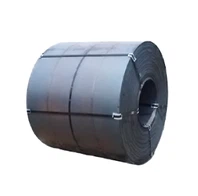
As a supplier of vessel plate A516GR70, I often get inquiries from clients about the inspection standards for this particular product. Understanding these standards is crucial for both suppliers and buyers to ensure the quality and safety of the vessel plates. In this blog post, I will delve into the inspection standards for vessel plate A516GR70, providing a comprehensive overview to help you make informed decisions.
Chemical Composition Inspection
The chemical composition of vessel plate A516GR70 plays a vital role in determining its mechanical properties and performance. The standard ASTM A516/A516M specifies the allowable limits for various elements in the steel. Here are the key elements and their specified ranges:
- Carbon (C): The carbon content should be no more than 0.30%. A higher carbon content can increase the strength of the steel but may also reduce its weldability and toughness.
- Manganese (Mn): The manganese content typically ranges from 0.85% to 1.20%. Manganese helps to improve the strength and hardenability of the steel.
- Phosphorus (P): The maximum phosphorus content is limited to 0.035%. Phosphorus can cause brittleness in the steel, especially at low temperatures, so its content must be strictly controlled.
- Sulfur (S): The sulfur content should not exceed 0.035%. Similar to phosphorus, sulfur can also reduce the toughness and ductility of the steel.
- Silicon (Si): The silicon content ranges from 0.15% to 0.40%. Silicon is added to the steel to improve its strength and deoxidation.
To ensure compliance with these chemical composition requirements, we conduct regular chemical analysis using advanced spectrometers. This allows us to accurately measure the content of each element and verify that it falls within the specified limits.
Mechanical Properties Inspection
In addition to chemical composition, the mechanical properties of vessel plate A516GR70 are also critical for its performance in various applications. The following are the main mechanical properties that are typically inspected:
- Tensile Strength: The minimum tensile strength of A516GR70 is 485 MPa (70 ksi). Tensile strength measures the maximum stress that the steel can withstand before breaking.
- Yield Strength: The minimum yield strength is 260 MPa (38 ksi). Yield strength indicates the stress at which the steel begins to deform plastically.
- Elongation: The minimum elongation in a 200 mm (8 in) gauge length is 22%. Elongation measures the ability of the steel to stretch before breaking, which is an important indicator of its ductility.
- Impact Toughness: Impact toughness is evaluated using Charpy V-notch tests. The minimum impact energy at -29°C (-20°F) is typically specified to ensure the steel's performance in low-temperature environments.
We perform mechanical testing on each batch of vessel plates to ensure that they meet the specified mechanical property requirements. This involves cutting test specimens from the plates and subjecting them to tensile, yield, and impact tests using specialized testing equipment.
Dimensional and Surface Quality Inspection
Dimensional accuracy and surface quality are also important aspects of the inspection process for vessel plate A516GR70. The following are the key points to consider:
- Thickness Tolerance: The thickness tolerance of the plates is typically specified according to the relevant standards. We ensure that the actual thickness of the plates is within the allowable tolerance range to meet the design requirements.
- Width and Length Tolerance: Similar to thickness, the width and length of the plates also have specified tolerance limits. We use precision measuring tools to verify the dimensional accuracy of each plate.
- Surface Defects: The surface of the plates should be free from cracks, laminations, and other defects that could affect their performance. We conduct visual inspections and, if necessary, use non-destructive testing methods such as ultrasonic testing to detect any hidden surface defects.
Non-Destructive Testing
Non-destructive testing (NDT) is an important part of the inspection process for vessel plate A516GR70. It allows us to detect internal defects in the plates without damaging them. The following are the commonly used NDT methods:
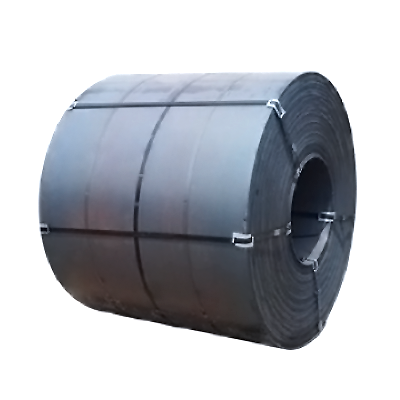

- Ultrasonic Testing (UT): UT is used to detect internal flaws such as cracks, porosity, and inclusions in the plates. It works by sending ultrasonic waves through the material and analyzing the reflections to identify any defects.
- Magnetic Particle Testing (MT): MT is used to detect surface and near-surface defects in ferromagnetic materials. It involves applying a magnetic field to the surface of the plate and then sprinkling magnetic particles on it. Any defects will cause the magnetic particles to accumulate, making them visible.
- Radiographic Testing (RT): RT is used to detect internal defects in the plates by using X-rays or gamma rays. It provides a detailed image of the internal structure of the material, allowing us to identify any defects such as cracks, porosity, and inclusions.
We use a combination of these NDT methods to ensure the quality and integrity of our vessel plates. This helps us to detect any potential defects early on and take appropriate measures to correct them.
Comparison with Other Steel Plates
While vessel plate A516GR70 is widely used in the industry, there are other steel plates that may also be suitable for certain applications. For example, A573GR58 Carbon Steel Plate A283GRC is a carbon steel plate with good strength and weldability, which is often used in general structural applications. NM450 Abrasion Resistant Wear Plates are designed to withstand high levels of abrasion and wear, making them ideal for use in mining, construction, and other industries. SM520C is a high-strength low-alloy steel plate that offers excellent strength and toughness, which is commonly used in the construction of bridges and buildings.
When choosing the right steel plate for your application, it is important to consider factors such as the specific requirements of the project, the operating environment, and the cost. Our team of experts can help you evaluate your options and select the most suitable steel plate for your needs.
Conclusion
In conclusion, the inspection standards for vessel plate A516GR70 are rigorous and comprehensive, covering aspects such as chemical composition, mechanical properties, dimensional accuracy, surface quality, and non-destructive testing. As a supplier, we are committed to ensuring that our vessel plates meet or exceed these standards to provide our customers with high-quality products.
If you are in the market for vessel plate A516GR70 or any other steel plates, we invite you to contact us for a consultation. Our experienced team can provide you with detailed information about our products, answer your questions, and assist you in making the right choice for your project. We look forward to working with you and helping you achieve your goals.
References
- ASTM A516/A516M - Standard Specification for Pressure Vessel Plates, Carbon Steel, for Moderate- and Lower-Temperature Service
- ASME Boiler and Pressure Vessel Code
- Relevant industry standards and guidelines