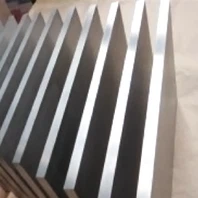
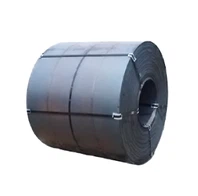
In the world of engineering and construction, high strength plates play a crucial role in various applications. These plates are known for their exceptional strength and durability, but one important aspect that often comes into question is their heat resistance. As a reputable high strength plate supplier, I am here to shed light on this topic and provide you with a comprehensive understanding of what the heat resistance of high strength plates entails.
Understanding High Strength Plates
High strength plates are engineered to withstand heavy loads and extreme conditions. They are commonly used in industries such as construction, automotive, aerospace, and manufacturing. These plates are made from special alloys and undergo a series of heat treatments and processing to achieve their high strength properties. Some of the popular high strength plate grades include S460QL1 690ql Plate, S890QL, and S460QL.
Factors Affecting Heat Resistance
The heat resistance of high strength plates is influenced by several factors. One of the primary factors is the chemical composition of the plate. Different alloys have different melting points and thermal properties, which directly affect their ability to withstand high temperatures. For example, plates with a high content of chromium, nickel, and molybdenum tend to have better heat resistance compared to those with lower alloying elements.
Another important factor is the heat treatment process. High strength plates are often subjected to processes such as quenching and tempering to enhance their strength and hardness. These heat treatment processes can also have an impact on the plate's heat resistance. Properly heat-treated plates are more likely to maintain their mechanical properties at elevated temperatures.
The thickness of the plate also plays a role in its heat resistance. Thicker plates generally have better heat resistance compared to thinner ones. This is because thicker plates have a larger mass, which allows them to absorb and dissipate heat more effectively.
Heat Resistance Testing
To determine the heat resistance of high strength plates, various testing methods are employed. One of the most common tests is the high-temperature tensile test. In this test, a sample of the plate is heated to a specific temperature and then subjected to a tensile force until it fails. The results of this test provide information about the plate's strength and ductility at elevated temperatures.
Another test is the creep test. Creep is the gradual deformation of a material under a constant load at high temperatures. In a creep test, a sample of the plate is subjected to a constant load at a specific temperature for an extended period of time. The amount of deformation is measured over time to determine the plate's creep resistance.


Applications Requiring Heat Resistance
There are several applications where high strength plates with good heat resistance are essential. In the power generation industry, for example, high strength plates are used in the construction of boilers, steam turbines, and other high-temperature components. These plates need to be able to withstand the high temperatures and pressures associated with power generation.
In the automotive industry, high strength plates are used in the manufacturing of engine components, exhaust systems, and brake systems. These components are exposed to high temperatures during normal operation, and plates with good heat resistance are required to ensure their reliability and performance.
In the aerospace industry, high strength plates are used in the construction of aircraft engines, landing gear, and other critical components. These components need to be able to withstand the extreme temperatures and pressures encountered during flight.
Our High Strength Plates and Their Heat Resistance
As a high strength plate supplier, we offer a wide range of plates with excellent heat resistance. Our S460QL1 690ql Plate is a popular choice for applications requiring high strength and good heat resistance. It has a high content of alloying elements, which gives it excellent corrosion resistance and heat resistance properties.
Our S890QL plate is another high-performance option. It is designed to withstand high temperatures and heavy loads, making it suitable for use in demanding applications such as mining equipment and construction machinery.
Our S460QL plate is also known for its good heat resistance. It is commonly used in the construction of bridges, buildings, and other structures where high strength and durability are required.
Benefits of Choosing Our High Strength Plates
When you choose our high strength plates, you can expect several benefits. Firstly, our plates are manufactured using the latest technology and high-quality raw materials, ensuring their reliability and performance. We have a strict quality control system in place to ensure that every plate meets the highest standards.
Secondly, we offer a wide range of sizes and thicknesses to meet the specific requirements of our customers. Whether you need a small quantity of plates for a prototype or a large order for a major project, we can provide you with the right solution.
Thirdly, we have a team of experienced professionals who can provide you with technical support and advice. We can help you select the right plate for your application and ensure that it is installed and used correctly.
Contact Us for Your High Strength Plate Needs
If you are in need of high strength plates with excellent heat resistance, look no further. We are a leading high strength plate supplier with a proven track record of providing high-quality products and services. Whether you are in the construction, automotive, aerospace, or any other industry, we can provide you with the right plates for your needs.
To discuss your requirements and get a quote, please feel free to contact us. Our team is ready to assist you and answer any questions you may have. We look forward to working with you and helping you achieve your project goals.
References
- ASM Handbook, Volume 2: Properties and Selection: Nonferrous Alloys and Special-Purpose Materials. ASM International.
- Metals Handbook Desk Edition, Third Edition. ASM International.
- Welding Handbook, Volume 1: Welding Science and Technology. American Welding Society.