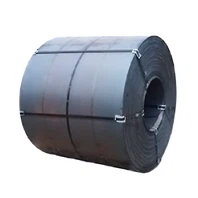
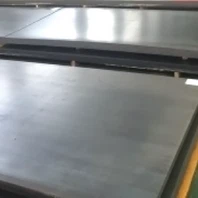
Hey there! I'm a supplier of ASME SA516, and I've been thinking a lot about how we can reduce the environmental impacts of its production. ASME SA516 is a widely used pressure vessel steel known for its excellent weldability and high strength, which is crucial in industries like oil and gas, power generation, and chemical processing. But let's face it, steel production isn't exactly the most eco - friendly process. So, in this blog, I'm gonna share some ways we can make it greener.
1. Energy Efficiency Improvements
One of the biggest environmental impacts of ASME SA516 production comes from energy consumption. Steelmaking is an energy - intensive process, and a significant amount of energy is used in melting, refining, and rolling the steel. To cut down on this, we can invest in more energy - efficient equipment.
For example, modern electric arc furnaces (EAFs) are a great alternative to traditional blast furnaces. EAFs use electricity to melt scrap steel, which not only reduces the need for virgin iron ore but also consumes less energy. According to some studies, EAFs can reduce energy consumption by up to 70% compared to blast furnaces.
We can also optimize the production process to minimize energy waste. This means making sure that the furnaces are operating at their most efficient temperatures and that the heat generated during the process is recycled. For instance, we can use waste heat recovery systems to capture the heat from the exhaust gases and use it to pre - heat the incoming materials or for other processes in the plant.
2. Raw Material Sourcing
The choice of raw materials has a huge impact on the environmental footprint of ASME SA516 production. As I mentioned earlier, using scrap steel instead of virgin iron ore is a great way to reduce the environmental impact. Scrap steel is a recycled material, and its use reduces the need for mining, which can cause significant environmental damage.
When sourcing scrap steel, we need to make sure that it meets the quality requirements for ASME SA516 production. We can work closely with scrap suppliers to ensure that the scrap is clean and free from contaminants. Additionally, we can explore partnerships with industries that generate large amounts of steel scrap, such as the automotive and construction industries.
Another aspect of raw material sourcing is the use of more sustainable alloys. Some alloys used in ASME SA516 production may have a higher environmental impact due to their extraction and processing methods. We can look for alternative alloys that are more sustainable. For example, SM490C and S355JR are low - alloy steel plates that can be considered as more sustainable alternatives in some applications. These alloys may have lower carbon footprints and can be produced with less energy.
3. Emission Reduction
Steel production is a major source of greenhouse gas emissions, particularly carbon dioxide. To reduce these emissions, we can implement several strategies.
First, we can switch to cleaner energy sources. Instead of relying solely on fossil fuels, we can increase the use of renewable energy sources such as solar, wind, and hydroelectric power. Many steel plants are already starting to invest in on - site renewable energy generation, such as solar panels on the roofs of the factories.
Second, we can use carbon capture and storage (CCS) technologies. CCS involves capturing the carbon dioxide emissions from the steel production process and storing them underground. Although this technology is still in its early stages and can be expensive, it has the potential to significantly reduce the carbon footprint of steel production.
We also need to control other emissions, such as particulate matter and sulfur dioxide. This can be done by installing advanced air pollution control equipment, such as baghouses and scrubbers, in the steel plants. These devices can capture the harmful pollutants before they are released into the atmosphere.
4. Water Conservation
Water is another important resource in ASME SA516 production. It is used for cooling, cleaning, and other processes in the steel plant. To reduce the environmental impact related to water use, we can implement water conservation measures.
One way is to recycle and reuse water within the plant. For example, the water used for cooling can be treated and reused instead of being discharged. We can also install water - efficient equipment, such as low - flow nozzles and water - saving valves, to reduce the overall water consumption.
In addition, we need to ensure that the wastewater from the steel plant is properly treated before being discharged. This means removing any contaminants, such as heavy metals and chemicals, to prevent water pollution.
5. Waste Management
Steel production generates a significant amount of waste, including slag, dust, and scrap. Proper waste management is essential to reduce the environmental impact.
Slag, which is a by - product of the steelmaking process, can be recycled and used in other industries. For example, it can be used as a raw material in the production of cement or as an aggregate in construction.
Dust and other fine particles can be collected and reused in the steel production process. This not only reduces waste but also saves on raw material costs.
As for scrap steel that doesn't meet the quality requirements for ASME SA516 production, it can be sold to other industries or recycled further.
6. Product Design and Lifecycle Assessment
When we're involved in the production of ASME SA516, we should also consider the product's design and its entire lifecycle. A well - designed product can be more energy - efficient during its use and easier to recycle at the end of its life.
We can work with our customers to understand their specific needs and design ASME SA516 products that are optimized for performance and sustainability. For example, we can design pressure vessels that are lighter in weight but still meet the required strength and safety standards. This can reduce the amount of steel used in the product and also lower the energy consumption during transportation.
Lifecycle assessment (LCA) is a useful tool to evaluate the environmental impact of ASME SA516 from raw material extraction to end - of - life disposal. By conducting an LCA, we can identify the stages of the product's lifecycle that have the most significant environmental impact and take appropriate measures to reduce it.
7. Collaboration and Innovation
Reducing the environmental impacts of ASME SA516 production isn't something that we can do alone. We need to collaborate with other stakeholders, including suppliers, customers, research institutions, and government agencies.
We can work with suppliers to develop more sustainable raw materials and production processes. For example, we can partner with mining companies to develop more sustainable mining practices or with energy providers to increase the use of renewable energy.
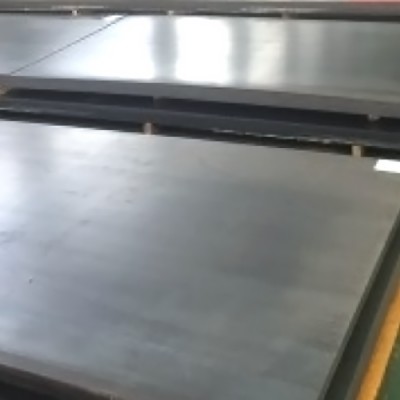

Customers also play an important role. By demanding more sustainable products, they can drive the industry towards greener production methods. We can engage with our customers to educate them about the environmental benefits of sustainable ASME SA516 products and work with them to develop solutions that meet their needs.
Research institutions can provide valuable insights and new technologies. We can collaborate with universities and research centers to develop new production techniques, materials, and energy - efficient solutions.
Government agencies can support our efforts through policies and incentives. For example, they can offer tax breaks for companies that invest in energy - efficient equipment or carbon capture technologies.
In conclusion, reducing the environmental impacts of ASME SA516 production is a complex but achievable goal. By implementing energy efficiency improvements, sourcing sustainable raw materials, reducing emissions, conserving water, managing waste, considering product design and lifecycle assessment, and collaborating with others, we can make the production process more sustainable.
If you're interested in purchasing high - quality and environmentally friendly ASME SA516 products, I'd love to have a chat with you. Feel free to reach out and let's discuss how we can meet your specific requirements.
References
- American Iron and Steel Institute. (2022). Energy Efficiency in Steelmaking.
- International Renewable Energy Agency. (2021). Renewable Energy in the Steel Industry.
- World Steel Association. (2020). Sustainability in Steel Production.