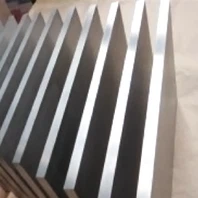
The hardness of ASTM A516 Gr 70 plate is a crucial property that significantly influences its performance and suitability for various applications. As a reliable supplier of ASTM A516 Gr 70 plates, I understand the importance of this characteristic and am eager to share in - depth knowledge about it.
Understanding ASTM A516 Gr 70
ASTM A516 Gr 70 is a widely used carbon steel plate specification for moderate and lower temperature service in welded pressure vessels. It offers excellent notch toughness and good weldability, making it a popular choice in industries such as oil and gas, power generation, and chemical processing. This grade of steel is known for its ability to withstand high - pressure environments and has a relatively high strength - to - weight ratio.
Factors Affecting the Hardness of ASTM A516 Gr 70 Plates
- Chemical Composition: The chemical composition of ASTM A516 Gr 70 plays a fundamental role in determining its hardness. Carbon is one of the most important elements. A higher carbon content generally leads to increased hardness. However, in ASTM A516 Gr 70, the carbon content is carefully controlled to balance hardness with other properties such as weldability. Other elements like manganese, silicon, sulfur, and phosphorus also have an impact. Manganese can increase the hardenability of the steel, while sulfur and phosphorus are usually kept at low levels to avoid brittleness.
- Heat Treatment: Heat treatment processes have a profound effect on the hardness of ASTM A516 Gr 70 plates. Normalizing, for example, involves heating the steel to a specific temperature and then allowing it to cool in air. This process refines the grain structure of the steel, which can increase its hardness and improve its mechanical properties. Quenching and tempering are more aggressive heat - treatment methods. Quenching rapidly cools the steel from a high temperature, which can significantly increase its hardness but may also make it brittle. Tempering is then used to relieve the internal stresses and reduce the brittleness, while still maintaining a relatively high level of hardness.
- Manufacturing Process: The manufacturing process of the plates, including rolling and forming, can also influence hardness. During hot rolling, the steel is deformed at high temperatures. The rate of deformation and the temperature at which it occurs can affect the final grain size and thus the hardness. Cold rolling, on the other hand, can work - harden the steel, increasing its hardness due to the plastic deformation of the material.
Measuring the Hardness of ASTM A516 Gr 70 Plates
There are several methods to measure the hardness of ASTM A516 Gr 70 plates.
- Brinell Hardness Test: In the Brinell hardness test, a hard spherical indenter is pressed into the surface of the steel with a specific load for a certain period of time. The diameter of the indentation is then measured, and the Brinell hardness number (BHN) is calculated. This method is suitable for measuring the hardness of relatively large - grained and rough - surfaced materials, such as ASTM A516 Gr 70 plates.
- Rockwell Hardness Test: The Rockwell hardness test uses a conical or spherical indenter. A minor load is first applied, followed by a major load. The difference in the depth of indentation between the minor and major loads is used to determine the Rockwell hardness number. This test is quick and can be used on a variety of materials, including ASTM A516 Gr 70. There are different scales in the Rockwell hardness test, such as the B and C scales, which are selected based on the hardness of the material.
- Vickers Hardness Test: The Vickers hardness test uses a square - based pyramidal indenter. A load is applied to the indenter, and the diagonal of the resulting indentation is measured. The Vickers hardness number (HV) is then calculated. This method is very accurate and can be used for a wide range of materials and hardness levels. It is particularly useful for measuring the hardness of small areas or thin sections of the ASTM A516 Gr 70 plates.
Typical Hardness Range of ASTM A516 Gr 70 Plates
The typical hardness range of ASTM A516 Gr 70 plates can vary depending on the factors mentioned above. Generally, in the as - rolled condition, the Brinell hardness can range from approximately 130 - 180 BHN. After normalizing, the hardness may increase slightly, typically in the range of 140 - 190 BHN. If the plates are quenched and tempered, the hardness can be significantly higher, with a Brinell hardness of around 200 - 250 BHN or even higher depending on the specific heat - treatment parameters.
Importance of Hardness in Applications
- Pressure Vessel Applications: In pressure vessel applications, the hardness of ASTM A516 Gr 70 plates is crucial for ensuring the structural integrity of the vessel. A proper hardness level helps the vessel withstand the internal pressure without deformation or failure. If the hardness is too low, the vessel may deform under pressure, leading to leaks or even catastrophic failure. On the other hand, if the hardness is too high, the vessel may be brittle and prone to cracking, especially during welding or when subjected to impact loads.
- Weldability and Fabrication: The hardness of the plates also affects their weldability and ease of fabrication. A plate with a balanced hardness is easier to weld without causing excessive heat - affected zone (HAZ) hardness, which can lead to cracking. During fabrication processes such as bending and forming, the hardness of the plates determines how easily they can be shaped without cracking or breaking.
Comparison with Other Similar Steel Plates
When comparing ASTM A516 Gr 70 with other steel plates such as SA387GR11 A387 steel plate, P295GH, and SA285GrA, the hardness characteristics can vary. SA387GR11 is a chromium - molybdenum steel plate, which generally has a higher hardenability and can achieve higher hardness levels compared to ASTM A516 Gr 70, especially after appropriate heat treatment. P295GH is a European standard pressure - vessel steel, and its hardness is designed to meet specific European requirements, which may be different from those of ASTM A516 Gr 70. SA285GrA is a lower - strength carbon steel plate, and its hardness is typically lower than that of ASTM A516 Gr 70.
Ensuring the Quality of Hardness in Our Plates
As a supplier of ASTM A516 Gr 70 plates, we take several measures to ensure the quality of the hardness. We carefully control the chemical composition during the steel - making process to meet the ASTM A516 Gr 70 specification. Our heat - treatment processes are carried out using state - of - the - art equipment and strict quality - control procedures. After heat treatment, we conduct extensive hardness testing using multiple methods to ensure that the plates meet the required hardness range.
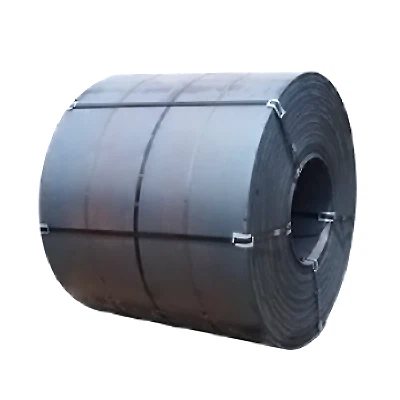

Why Choose Our ASTM A516 Gr 70 Plates
Our company has years of experience in supplying high - quality ASTM A516 Gr 70 plates. We have a well - established quality - control system that ensures the consistency of the hardness and other mechanical properties of our plates. We offer a wide range of plate sizes and thicknesses to meet the diverse needs of our customers. Whether you are in the oil and gas industry, power generation, or any other industry that requires reliable pressure - vessel plates, our ASTM A516 Gr 70 plates are an excellent choice.
Contact Us for Your Purchase
If you are interested in purchasing ASTM A516 Gr 70 plates or have any questions about their hardness or other properties, please feel free to contact us. We are always ready to provide you with detailed information and assist you in finding the best - suited plates for your specific applications. Our team of experts can also offer technical support and guidance throughout the purchasing process.
References
- ASTM International. ASTM A516/A516M - 17 Standard Specification for Pressure Vessel Plates, Carbon Steel, for Moderate and Lower Temperature Service.
- ASME Boiler and Pressure Vessel Code.
- Various textbooks on materials science and engineering related to steel and its properties.