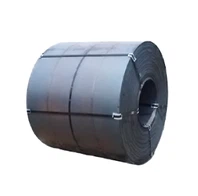
Hey there! I'm an ASME SA516 supplier, and today I wanna chat about the formability of ASME SA516. It's a topic that's super important, especially if you're in the market for this type of steel.
First off, let's understand what formability means. In simple terms, formability refers to how easily a material can be shaped or formed into different geometries without cracking or breaking. For ASME SA516, which is a pressure vessel quality carbon steel, good formability is crucial. It's used in a wide range of applications, from building pressure vessels to storage tanks, and being able to shape it into the right form is essential for these projects.
One of the key factors that affect the formability of ASME SA516 is its chemical composition. This steel mainly consists of carbon, manganese, phosphorus, sulfur, silicon, and some other trace elements. The carbon content in ASME SA516 is relatively low, usually around 0.30% maximum. A lower carbon content generally means better formability because carbon can make the steel harder and more brittle. Manganese, on the other hand, helps to improve the strength and toughness of the steel while still maintaining a good level of formability.
Another important aspect is the heat treatment process. ASME SA516 is often normalized or stress - relieved. Normalizing involves heating the steel to a specific temperature and then air - cooling it. This process refines the grain structure of the steel, which can enhance its formability. Stress - relieving, on the other hand, reduces the internal stresses in the steel that may have been introduced during manufacturing processes like rolling or welding. By reducing these stresses, the steel becomes more malleable and less likely to crack during forming operations.
When it comes to forming methods, ASME SA516 can be formed using various techniques. One common method is cold forming. Cold forming is done at room temperature and includes processes like bending, rolling, and stamping. Cold forming has its advantages. It's cost - effective because it doesn't require heating the steel, and it can also improve the surface finish of the formed part. However, cold forming does put more stress on the steel, so it's important to ensure that the steel has good ductility to avoid cracking.
Hot forming is another option. In hot forming, the steel is heated to a high temperature, typically above its recrystallization temperature. At this temperature, the steel becomes more plastic and easier to form. Hot forming can be used for more complex shapes and thicker sections of ASME SA516. But it also has some drawbacks. It requires more energy for heating, and there's a risk of oxidation on the surface of the steel during the heating process.
Let's talk about some real - world examples of how the formability of ASME SA516 plays out. In the construction of pressure vessels, the steel needs to be formed into cylindrical or spherical shapes. Good formability ensures that these shapes can be created without any major defects. If the steel doesn't have good formability, there could be cracks or uneven surfaces, which can compromise the integrity of the pressure vessel.
In comparison with other steels, ASME SA516 has its unique formability characteristics. For example, A573GR58 Carbon Steel Plate A283GRC is also a carbon steel, but its formability may differ depending on its specific chemical composition and heat treatment. A573GR58 is often used in structural applications, and its formability requirements might be different from those of ASME SA516 used in pressure vessels.

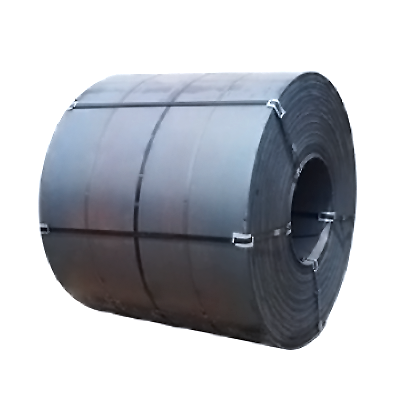
NM450 Abrasion Resistant Wear Plates are designed to resist wear and abrasion. These plates usually have a higher hardness, which means their formability is generally lower compared to ASME SA516. They are more suitable for applications where wear resistance is the primary concern rather than complex forming operations.
S355JR is a low - alloy steel commonly used in construction. It has good strength and weldability, but its formability might vary depending on the specific grade and manufacturing process. Compared to ASME SA516, S355JR may have different requirements for forming due to its different application scenarios.
To ensure the best formability of ASME SA516, it's important to work with a reliable supplier. As a supplier, I make sure that the ASME SA516 I provide meets all the relevant standards. We conduct strict quality control measures on the chemical composition, mechanical properties, and heat treatment of the steel. Before delivering the steel, we also perform various tests to ensure its formability.
If you're planning to use ASME SA516 for your project, it's also a good idea to consult with a metallurgical expert or an engineer. They can help you determine the best forming methods and parameters based on your specific requirements. For example, if you're making a small - scale pressure vessel, cold forming might be the most suitable option. But if you're working on a large - scale project with thick sections of steel, hot forming could be more appropriate.
In conclusion, the formability of ASME SA516 is a complex but important topic. Understanding the factors that affect it, such as chemical composition and heat treatment, can help you make better decisions when using this steel. Whether you're in the business of manufacturing pressure vessels, storage tanks, or other structures, having a good grasp of the formability of ASME SA516 can lead to more successful projects.
If you're interested in purchasing ASME SA516 or have any questions about its formability, feel free to reach out. I'm here to help you with all your steel - related needs and guide you through the process. Let's work together to ensure your project gets the best quality steel and the most efficient forming solutions.
References:
- ASME Boiler and Pressure Vessel Code
- ASTM standards related to carbon steel
- Metallurgy textbooks on steel properties and forming processes