Hey there! As a supplier of ASTM A537 steel, I'm super excited to share with you all about the forging process of ASTM A537.
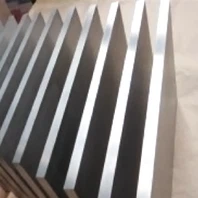
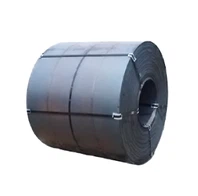
First off, let's understand what ASTM A537 is. ASTM A537 is a specification for pressure vessel plates, heat-treated carbon-manganese-silicon steel. These plates are commonly used in the construction of pressure vessels, storage tanks, and other equipment that needs to withstand high pressure and stress.
Now, onto the forging process. Forging is a manufacturing process where metal is heated and then shaped by applying compressive forces. This process can improve the mechanical properties of the metal, like its strength and toughness.
Pre - forging Preparation
Before we start forging, there are a few important steps. We need to select the right raw material. The chemical composition of ASTM A537 is crucial. It typically contains elements like carbon, manganese, silicon, and small amounts of other alloying elements. The right combination of these elements ensures the plate has the desired properties.
We also need to pre - heat the raw material. Heating the steel to the right temperature is super important. If it's not heated enough, the steel will be too hard to shape, and we might end up with cracks or other defects. On the other hand, if it's over - heated, the grain structure of the steel can become coarse, which can reduce its mechanical properties. Usually, the pre - heating temperature for ASTM A537 is in a specific range, which is determined based on the size and thickness of the workpiece.
The Forging Step
Once the steel is pre - heated, it's time for the actual forging. There are different forging methods we can use. One common method is open - die forging. In open - die forging, the metal is placed between two flat or shaped dies, and a hammer or a press applies force to shape the metal. This method is great for making large and simple - shaped parts.
Another method is closed - die forging. In this case, the metal is placed in a die cavity, and the die closes around the metal, forcing it to take the shape of the cavity. Closed - die forging can produce parts with more complex shapes and better dimensional accuracy.
During forging, we need to control the deformation rate. If the deformation rate is too high, the steel might not have enough time to flow properly, which can lead to internal defects. If it's too low, the forging process will be very slow and inefficient.
Post - forging Treatment
After forging, the ASTM A537 steel needs some post - forging treatment. One of the most important treatments is heat treatment. Heat treatment can further improve the mechanical properties of the steel. There are different types of heat treatment processes, such as normalizing, quenching, and tempering.
Normalizing involves heating the steel to a specific temperature and then cooling it in air. This process refines the grain structure of the steel and improves its strength and toughness.
Quenching is a rapid cooling process. The steel is heated to a high temperature and then quickly cooled in a quenching medium, like water or oil. Quenching can make the steel very hard, but it can also make it brittle. That's why we usually follow quenching with tempering.
Tempering is a process where the quenched steel is heated to a lower temperature and then cooled slowly. This process reduces the brittleness of the steel while still maintaining a good level of hardness and strength.
Quality Control
Throughout the forging process, quality control is essential. We use various inspection methods to ensure the ASTM A537 steel meets the required standards. Non - destructive testing methods, such as ultrasonic testing and magnetic particle testing, are used to detect internal and surface defects.
We also conduct mechanical property tests, like tensile tests and impact tests. Tensile tests measure the strength and ductility of the steel, while impact tests evaluate its toughness.
Comparison with Other Steel Grades
ASTM A537 has its own unique properties, but it's also interesting to compare it with other steel grades used in similar applications. For example, SA285GrC A387GR11CL2 is another type of pressure vessel plate. SA285GrC is a carbon steel plate with lower strength compared to ASTM A537. It's often used in less demanding applications where high pressure and stress are not the main concerns.
SA516GR70 is also a popular choice for pressure vessels. It has good weldability and toughness, similar to ASTM A537. However, the chemical composition and heat treatment process of SA516GR70 are different, which can result in slightly different mechanical properties.
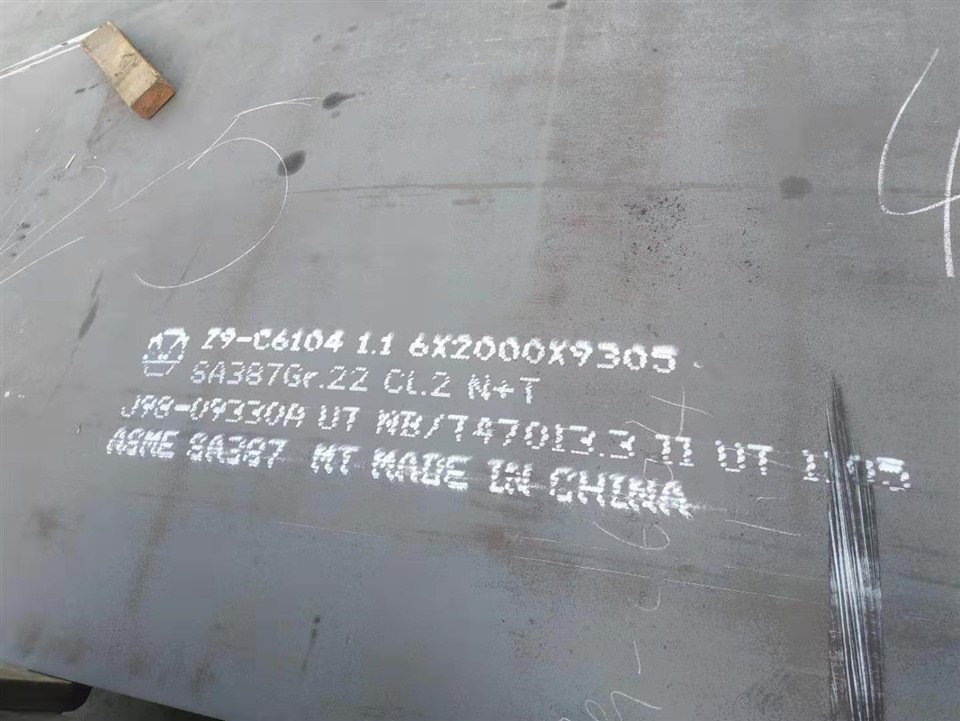
SA387GR11 A387 steel plate is a chromium - molybdenum alloy steel. It has better high - temperature strength and corrosion resistance compared to ASTM A537. But it's also more expensive and might require more complex welding and heat treatment processes.
Why Choose Our ASTM A537
As a supplier, we take pride in providing high - quality ASTM A537 steel. We have a strict quality control system in place, from the selection of raw materials to the final inspection of the finished products. Our forging process is optimized to ensure the best mechanical properties of the steel.
We also offer customized solutions. Whether you need a specific size, shape, or mechanical property, we can work with you to meet your requirements.
If you're in the market for ASTM A537 steel, I highly encourage you to get in touch with us. We can have a detailed discussion about your needs and provide you with the best possible solutions. We're here to make sure you get the right steel for your application at a competitive price.

References
- ASTM International standards for A537 steel.
- Metallurgy textbooks on steel forging and heat treatment.
- Industry reports on pressure vessel steel applications.