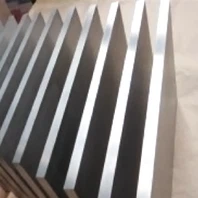
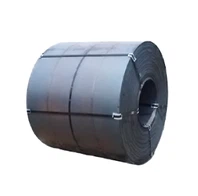
Yo, what's up everyone! As a supplier of low alloy steel plates, I often get asked about the ductility of these bad boys. So, I thought I'd take a moment to break it down for you all.
First off, let's talk about what ductility actually means. In simple terms, ductility is the ability of a material to deform under tensile stress without breaking. Think of it like stretching a piece of chewing gum. If it can stretch a long way before snapping, it's pretty ductile. For low alloy steel plates, this property is super important because it determines how well the steel can be formed into different shapes without cracking or failing.
Now, low alloy steel plates are made by adding small amounts of alloying elements like manganese, nickel, chromium, and molybdenum to carbon steel. These elements enhance the steel's properties, including its strength, toughness, and yes, ductility. The exact composition of the alloy will vary depending on the specific application and requirements of the steel plate.
One of the key factors that affects the ductility of low alloy steel plates is the heat treatment process. Heat treatment involves heating the steel to a specific temperature and then cooling it at a controlled rate. This can change the microstructure of the steel, which in turn affects its mechanical properties. For example, quenching and tempering can increase the strength of the steel, but it may also reduce its ductility. On the other hand, normalizing can improve the ductility of the steel by refining its grain structure.
Another factor that can influence the ductility of low alloy steel plates is the presence of impurities. Impurities like sulfur and phosphorus can reduce the ductility of the steel by causing brittleness. That's why it's important to use high-quality raw materials and to have strict quality control measures in place during the manufacturing process.
So, why is ductility so important for low alloy steel plates? Well, there are a few reasons. First of all, ductility allows the steel to be easily formed into different shapes. This is crucial in industries like construction, automotive, and manufacturing, where steel plates need to be bent, rolled, or stamped into various components. Without good ductility, these processes would be much more difficult and could result in the steel cracking or breaking.
Secondly, ductility helps the steel to absorb energy during deformation. This is important in applications where the steel may be subjected to impact or dynamic loads, such as in bridges, buildings, and machinery. A more ductile steel plate will be able to withstand these loads without failing, which can improve the safety and reliability of the structure or equipment.
Now, let's take a look at some specific types of low alloy steel plates and their ductility characteristics. One popular type is the High Strength Plate. These plates are known for their high strength and good ductility, making them suitable for a wide range of applications, including heavy machinery, mining equipment, and offshore structures.

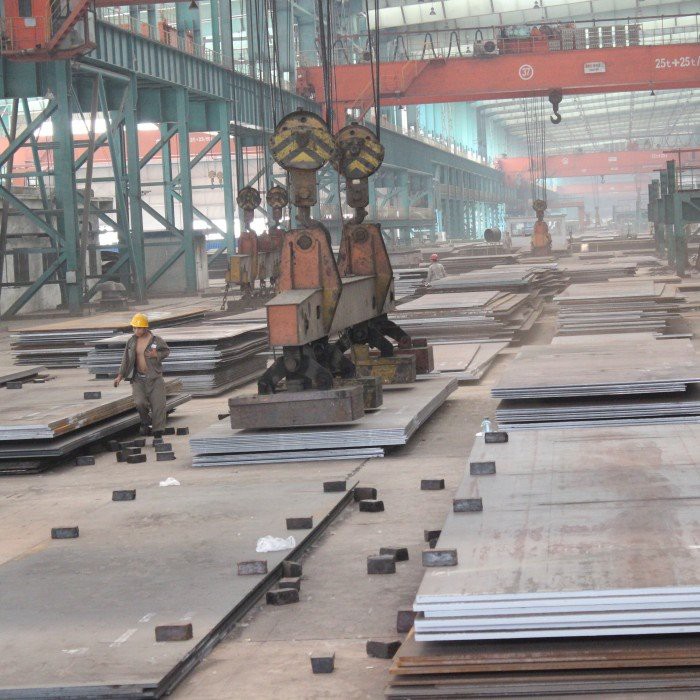
Another common type is the A572GR50 Carbon Steel Plate. This plate has a minimum yield strength of 50,000 psi and offers a good combination of strength and ductility. It's often used in construction, bridges, and general structural applications.
The A633GRD Low Alloy Steel Plate is also a popular choice. It has a higher yield strength than the A572GR50 and is designed for use in applications where improved atmospheric corrosion resistance is required. Despite its higher strength, it still maintains good ductility, making it suitable for a variety of structural and mechanical applications.
In conclusion, the ductility of low alloy steel plates is a crucial property that determines their performance and suitability for different applications. By understanding the factors that affect ductility and choosing the right type of steel plate for your needs, you can ensure that your project is successful and that your structures and equipment are safe and reliable.
If you're in the market for low alloy steel plates and want to learn more about their ductility and other properties, or if you have any specific requirements for your project, don't hesitate to get in touch. We're here to help you find the perfect solution for your needs.
References
- "Metallurgy for the Non-Metallurgist" by John D. Verhoeven
- "Steel Structures: Design and Behavior" by S. S. Bhimaraddi