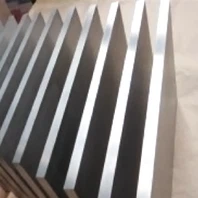
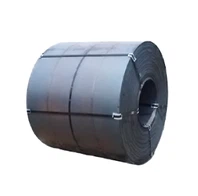
Hey there! As a supplier of pipeline plate X52, I've been in the thick of it when it comes to understanding how to boost its performance. In this blog, I'm gonna share some tips and tricks that I've picked up over the years.
First off, let's talk about what pipeline plate X52 is all about. It's a high - strength, low - alloy steel plate that's widely used in the construction of pipelines. It's got to withstand a lot of pressure, corrosion, and mechanical stress, so improving its performance is crucial for the long - term success of any pipeline project.
1. Material Selection and Quality Control
The quality of the raw materials is the foundation of everything. When we're sourcing the steel for our X52 pipeline plates, we make sure to partner with reliable steel mills. We check the chemical composition of the steel thoroughly. For X52, it typically contains elements like carbon, manganese, silicon, sulfur, and phosphorus in specific proportions. A higher carbon content can increase the strength, but it also makes the steel more brittle. So, finding the right balance is key.
We also look at the grain size of the steel. A fine - grained steel generally has better toughness and ductility. By working closely with our steel suppliers, we can ensure that the steel we get meets our strict quality standards. This way, we start with a high - quality base material, which is essential for a high - performance pipeline plate.
2. Heat Treatment
Heat treatment is a game - changer when it comes to improving the performance of pipeline plate X52. There are different heat - treatment processes we can use, such as normalizing, quenching, and tempering.
Normalizing involves heating the steel to a specific temperature and then air - cooling it. This process refines the grain structure of the steel, improving its strength and toughness. Quenching, on the other hand, is a rapid cooling process. It can significantly increase the hardness of the steel, but it also makes it more brittle. That's why tempering is often done after quenching. Tempering involves reheating the quenched steel to a lower temperature and then cooling it slowly. This reduces the brittleness while still maintaining a good level of hardness and strength.
By carefully controlling the heat - treatment parameters, like the heating temperature, holding time, and cooling rate, we can tailor the properties of the X52 pipeline plate to meet the specific requirements of different pipeline projects.
3. Welding Process
Welding is an important part of pipeline construction, and the welding process can have a big impact on the performance of the X52 pipeline plate. We need to choose the right welding method and welding materials.
For X52, gas metal arc welding (GMAW) and shielded metal arc welding (SMAW) are commonly used. GMAW is known for its high welding speed and good quality, while SMAW is more flexible and can be used in various field conditions.
When it comes to welding materials, we select electrodes and filler metals that are compatible with the X52 steel. The welding materials should have similar chemical composition and mechanical properties to the base metal. This helps to ensure a strong and reliable weld joint.
We also pay close attention to the welding procedure. Proper pre - heating and post - weld heat treatment can reduce the residual stress in the weld area and improve the toughness of the weld joint. For example, pre - heating the base metal before welding can slow down the cooling rate of the weld, preventing the formation of hard and brittle microstructures.
4. Corrosion Protection
Corrosion is one of the biggest enemies of pipeline plates. In a pipeline, the X52 plate is often exposed to various corrosive environments, such as soil, water, and chemicals. So, effective corrosion protection is essential to improve its performance and extend its service life.
One common method is to apply a protective coating on the surface of the pipeline plate. There are different types of coatings available, such as epoxy coatings, polyethylene coatings, and zinc - rich coatings. Epoxy coatings are known for their good adhesion and chemical resistance. Polyethylene coatings provide a physical barrier against moisture and oxygen. Zinc - rich coatings can provide sacrificial protection to the steel.
We also use cathodic protection in some cases. Cathodic protection involves connecting the pipeline plate to a sacrificial anode or an external power source. The sacrificial anode, usually made of zinc or magnesium, corrodes preferentially, protecting the X52 steel from corrosion.
5. Regular Inspection and Maintenance
Even with all the above measures, regular inspection and maintenance are still necessary. We can use non - destructive testing methods, such as ultrasonic testing, magnetic particle testing, and radiographic testing, to detect any potential defects in the pipeline plate.
Ultrasonic testing is great for detecting internal defects, like cracks and voids. Magnetic particle testing is suitable for detecting surface and near - surface defects in ferromagnetic materials like X52 steel. Radiographic testing can provide clear images of internal defects.
By conducting regular inspections, we can identify and address any issues early on, preventing them from developing into more serious problems. Maintenance activities, such as repairing any damaged coatings and replacing corroded parts, can also help to keep the pipeline plate in good condition.


Related Products
If you're also interested in other pipeline plates, we have some great options. Check out our LX560, LX80, and LX46 Pipe Line Plate X46. These products also have excellent performance and are suitable for different pipeline applications.
Conclusion
Improving the performance of pipeline plate X52 is a multi - faceted process. It involves everything from material selection and heat treatment to welding, corrosion protection, and regular inspection. By paying attention to these aspects, we can ensure that our X52 pipeline plates can meet the high - demand requirements of modern pipeline projects.
If you're in the market for high - performance pipeline plate X52 or any of our related products, don't hesitate to reach out. We're here to provide you with the best solutions and support for your pipeline projects. Let's have a chat about your specific needs and see how we can work together!
References
- ASME Boiler and Pressure Vessel Code
- API Specification 5L
- ASTM Standards for Steel Plates