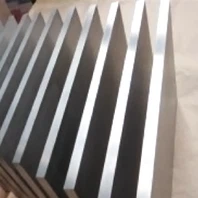
Hey there! As a supplier of A387 steel plates, I often get asked about the density of these plates. So, I thought I'd take a few minutes to break it down for you.
First off, let's talk about what A387 steel plate is. A387 steel plates are used mainly in the fabrication of pressure vessels operating at elevated temperatures. They're known for their good strength and toughness, which makes them ideal for applications where reliability is key. These plates are typically used in industries like oil and gas, power generation, and chemical processing.
Now, onto the big question: what's the density of A387 steel plate? Well, the density of A387 steel plate is approximately 7.85 g/cm³. This value is pretty standard for most carbon and low - alloy steels. Density is basically a measure of how much mass is packed into a given volume. In simpler terms, it tells you how heavy a certain amount of the material is.
Why is knowing the density important? It's crucial for a bunch of reasons. For engineers and designers, density helps in calculating the weight of the pressure vessels they're building. This is essential for ensuring that the structures can be safely transported, installed, and operated. If you underestimate the weight, you might run into problems with the foundation or the lifting equipment. On the other hand, overestimating can lead to unnecessary costs.
For us suppliers, density is important when it comes to shipping and handling. We need to know the weight of the plates to calculate shipping costs accurately. It also helps us determine how many plates can be loaded onto a truck or a container without exceeding the weight limits.
Let's dig a bit deeper into the composition of A387 steel and how it relates to density. A387 steel is a chromium - molybdenum alloy steel. The addition of chromium and molybdenum enhances the steel's strength, hardness, and resistance to corrosion and oxidation at high temperatures. These alloying elements don't have a huge impact on the density because they're present in relatively small amounts. The main component of A387 steel is still iron, which has a density close to the overall density of the steel plate.
There are different grades of A387 steel plates, such as SA387GR11 SA387GR11 A387 steel plate. Each grade has slightly different mechanical properties, but the density remains pretty much the same across the grades. The differences in grades are more about the amount of alloying elements and the heat treatment processes, which affect things like strength and toughness rather than density.
Now, if you're in the market for pressure vessel plates, you might also come across other types like P335GH and ASTM A537CL2 SA285GrB. These are also popular choices for pressure vessel applications, but they have their own unique properties. P335GH is a European standard pressure vessel steel, while ASTM A537CL2 SA285GrB is an American standard. The density of these plates is also in the ballpark of 7.85 g/cm³, but again, it's always a good idea to double - check with the supplier.
When you're buying A387 steel plates, it's important to work with a reliable supplier. We make sure that our plates meet all the relevant standards and specifications. We source our materials from top - notch mills and have strict quality control processes in place. This ensures that you get high - quality plates that perform as expected.
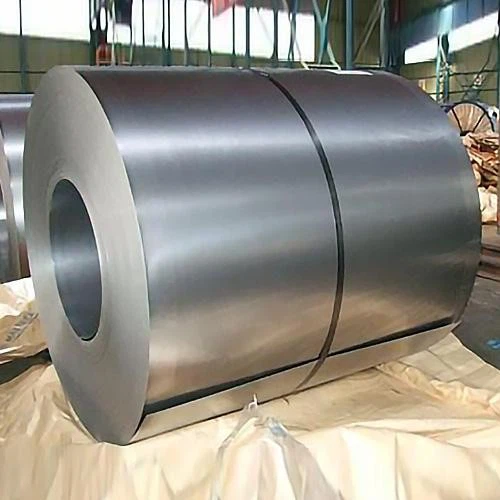
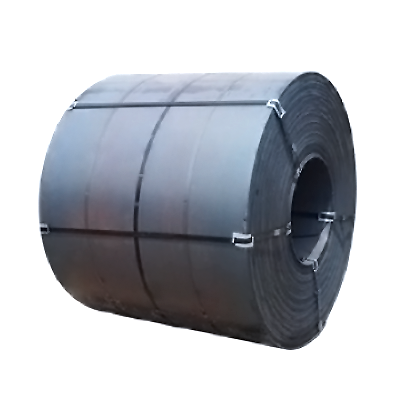
If you're thinking about using A387 steel plates for your project, here are a few things to keep in mind. First, make sure you choose the right grade for your specific application. Consider factors like the operating temperature, pressure, and the corrosiveness of the environment. Second, pay attention to the thickness and dimensions of the plates. We can provide custom - cut plates to meet your exact requirements.
In conclusion, the density of A387 steel plate is around 7.85 g/cm³, which is a key factor in various aspects of engineering, design, shipping, and handling. Whether you're an engineer, a fabricator, or someone involved in a project that requires pressure vessel plates, having a good understanding of the density can help you make informed decisions.
If you're interested in purchasing A387 steel plates or have any questions about our products, don't hesitate to reach out. We're here to help you find the best solutions for your needs. Let's start a conversation and see how we can work together to make your project a success.
References:
- "ASTM A387/A387M - 19 Standard Specification for Pressure Vessel Plates, Alloy Steel, Chromium - Molybdenum"
- "Handbook of Steel for Engineers and Metalworkers"