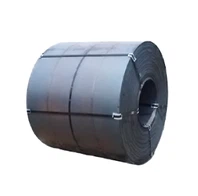
As a supplier of pipeline plate X60, I am often asked about the chemical composition of this essential material. Pipeline plate X60 is a high-strength, low-alloy steel plate widely used in the construction of oil and gas pipelines. Its chemical composition plays a crucial role in determining its mechanical properties, corrosion resistance, and weldability, all of which are vital for ensuring the long-term integrity and safety of pipeline systems.
The Basics of Pipeline Plate X60
Before delving into the chemical composition, it's important to understand the general characteristics of pipeline plate X60. This type of steel plate is designed to meet the demanding requirements of pipeline applications, such as high pressure, harsh environmental conditions, and long service life. It is typically produced through a combination of controlled rolling and accelerated cooling processes, which help to achieve the desired microstructure and mechanical properties.
Chemical Composition of Pipeline Plate X60
The chemical composition of pipeline plate X60 is carefully controlled to ensure optimal performance. Here is a breakdown of the key elements and their functions:
Carbon (C)
Carbon is one of the most important elements in steel, as it significantly affects the strength and hardness of the material. In pipeline plate X60, the carbon content is usually kept relatively low, typically in the range of 0.05% to 0.16%. A lower carbon content helps to improve the weldability and toughness of the steel, reducing the risk of cracking during welding and in service.
Manganese (Mn)
Manganese is an essential alloying element in pipeline plate X60. It enhances the strength and hardenability of the steel, while also improving its ductility and toughness. The manganese content in X60 steel is typically in the range of 1.20% to 1.65%. Manganese also helps to form a fine-grained microstructure, which is beneficial for improving the overall mechanical properties of the steel.
Silicon (Si)
Silicon is added to pipeline plate X60 as a deoxidizer during the steelmaking process. It helps to remove oxygen from the molten steel, preventing the formation of harmful oxides. Silicon also contributes to the strength and hardness of the steel, and can improve its resistance to oxidation and corrosion. The silicon content in X60 steel is usually in the range of 0.15% to 0.40%.
Sulfur (S) and Phosphorus (P)
Sulfur and phosphorus are considered impurities in steel, as they can have a negative impact on the mechanical properties and weldability of the material. In pipeline plate X60, the sulfur and phosphorus contents are strictly controlled to very low levels. The sulfur content is typically limited to less than 0.015%, while the phosphorus content is limited to less than 0.025%. By minimizing the sulfur and phosphorus contents, the risk of hot cracking and embrittlement in the steel is reduced.
Chromium (Cr), Nickel (Ni), and Copper (Cu)
Chromium, nickel, and copper are sometimes added to pipeline plate X60 in small amounts to improve its corrosion resistance. Chromium forms a protective oxide layer on the surface of the steel, which helps to prevent rusting and corrosion. Nickel enhances the toughness and ductility of the steel, while copper can improve its resistance to atmospheric corrosion. The combined content of these elements is usually less than 0.50%.
Niobium (Nb), Vanadium (V), and Titanium (Ti)
Niobium, vanadium, and titanium are microalloying elements that are commonly added to pipeline plate X60. These elements form fine carbides and nitrides in the steel, which help to refine the grain size and improve the strength and toughness of the material. They also enhance the precipitation hardening effect, which further increases the strength of the steel. The combined content of niobium, vanadium, and titanium is typically in the range of 0.01% to 0.10%.

Importance of Chemical Composition in Pipeline Applications
The chemical composition of pipeline plate X60 is carefully designed to meet the specific requirements of pipeline applications. By controlling the content of each element, the steel can achieve the desired combination of strength, toughness, weldability, and corrosion resistance. For example, a low carbon content is essential for ensuring good weldability, while the addition of microalloying elements helps to improve the strength and toughness of the steel.
In addition, the chemical composition of pipeline plate X60 can also affect its performance in different environments. For example, in corrosive environments, the addition of chromium, nickel, and copper can significantly improve the corrosion resistance of the steel. Similarly, in high-pressure applications, the high strength and toughness of the steel are crucial for ensuring the integrity of the pipeline.
Comparison with Other Pipeline Plate Grades
Pipeline plate X60 is just one of many grades of steel used in pipeline construction. Other common grades include LX70, LX46 Pipe Line Plate X46, and LX560. While these grades may have similar chemical compositions in some respects, they also have some differences in terms of their specific applications and performance requirements.
For example, LX70 is a higher-strength grade of steel that is typically used in high-pressure pipeline applications. It has a higher carbon and manganese content than X60, which gives it greater strength and hardness. On the other hand, LX46 Pipe Line Plate X46 is a lower-strength grade of steel that is often used in less demanding pipeline applications. It has a lower carbon and alloy content than X60, which makes it more economical and easier to weld.
Conclusion
In conclusion, the chemical composition of pipeline plate X60 is a critical factor in determining its performance in pipeline applications. By carefully controlling the content of each element, the steel can achieve the desired combination of strength, toughness, weldability, and corrosion resistance. As a supplier of pipeline plate X60, we are committed to providing high-quality products that meet the strictest industry standards.
If you are interested in purchasing pipeline plate X60 or have any questions about its chemical composition and performance, please feel free to contact us for more information. We look forward to discussing your specific requirements and providing you with the best solutions for your pipeline projects.
References
- ASME Boiler and Pressure Vessel Code, Section II, Part A: Ferrous Material Specifications
- API Specification 5L: Specification for Line Pipe
- ASTM A20/A20M: Standard Specification for General Requirements for Steel Plates, Sheets, and Strip for Pressure Vessels