Hey there! As a supplier of abrasion steel plates, I've seen firsthand how these amazing materials are used in various industries. Today, I'm going to dive into the typical applications of abrasion steel plates in subsea pipelines.
Subsea pipelines are a crucial part of the offshore oil and gas industry. They transport oil, gas, and other fluids from the seabed to onshore facilities. These pipelines face some seriously tough conditions, like high pressure, strong currents, and abrasive materials carried by the fluids. That's where abrasion steel plates come in handy.
Protection Against Abrasion
One of the main reasons we use abrasion steel plates in subsea pipelines is to protect them from abrasion. The fluids flowing through these pipelines often contain solid particles, such as sand and gravel. Over time, these particles can wear down the inner walls of the pipeline, leading to leaks and other issues.
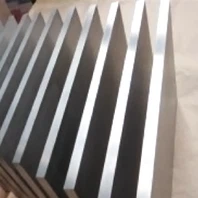
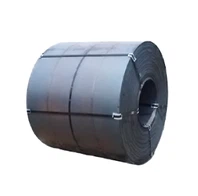
Abrasion steel plates, like the NM600 Abrasion Steel Plate, are specifically designed to resist this kind of wear. They have a high hardness and toughness, which allows them to withstand the impact and friction of the solid particles. By lining the inside of the pipeline with abrasion steel plates, we can significantly extend the lifespan of the pipeline and reduce maintenance costs.

Resistance to Corrosion
In addition to abrasion, subsea pipelines also have to deal with corrosion. The seawater is a highly corrosive environment, and it can quickly eat away at the metal of the pipeline. This not only weakens the pipeline but also increases the risk of leaks and environmental damage.
Abrasion steel plates are often coated with special anti - corrosion materials to protect them from the seawater. For example, the NM400 Abrasion Plate can be treated with a corrosion - resistant coating that forms a barrier between the steel and the seawater. This helps to prevent the formation of rust and other corrosion products, keeping the pipeline in good condition for longer.
Structural Support
Subsea pipelines need to be strong enough to withstand the external pressure of the seawater. The deeper the pipeline is laid, the higher the pressure it has to endure. Abrasion steel plates can provide excellent structural support to the pipeline.
The NM500 Wear Steel Plate has a high strength - to - weight ratio, which means it can support a large amount of weight without adding too much extra mass to the pipeline. This is especially important for long - distance subsea pipelines, as it helps to reduce the overall cost of installation and transportation.
Bending and Forming
Another advantage of using abrasion steel plates in subsea pipelines is their ability to be bent and formed into different shapes. Subsea pipelines often need to follow the contours of the seabed, which means they have to be flexible enough to bend without breaking.
Abrasion steel plates can be cold - bent or hot - bent to the required shape. This allows the pipeline to be installed more easily and efficiently, even in complex underwater terrains. Whether it's a gentle curve or a sharp turn, abrasion steel plates can be shaped to fit the needs of the project.
Welding and Joining
Welding is an important part of the pipeline construction process. Abrasion steel plates can be welded together using various welding techniques, such as shielded metal arc welding (SMAW), gas metal arc welding (GMAW), and submerged arc welding (SAW).
Proper welding of abrasion steel plates ensures a strong and leak - proof joint between the different sections of the pipeline. It's crucial to use the right welding parameters and filler materials to achieve a high - quality weld. This helps to maintain the integrity of the pipeline and prevent any potential failures.
Cost - Effectiveness
When it comes to subsea pipeline projects, cost is always a major consideration. Using abrasion steel plates can actually be a cost - effective solution in the long run.
Although the initial cost of abrasion steel plates may be higher than some other materials, their long lifespan and low maintenance requirements make them a more economical choice over time. By reducing the frequency of pipeline repairs and replacements, we can save a significant amount of money for the project.
Environmental Considerations
In today's world, environmental protection is a top priority. Abrasion steel plates can contribute to a more sustainable subsea pipeline industry.
Since they have a longer lifespan, there is less need to produce new pipelines frequently. This reduces the consumption of raw materials and energy, as well as the amount of waste generated during the manufacturing and disposal process. Additionally, the anti - corrosion coatings used on abrasion steel plates can help to prevent the leakage of harmful substances into the environment.
Customization
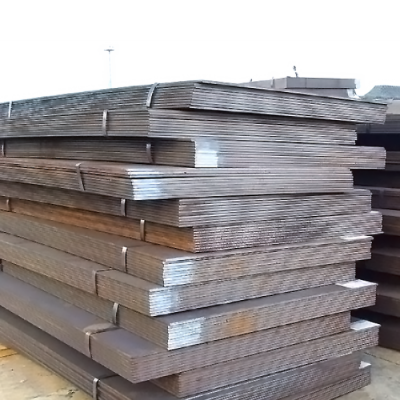
As a supplier, I know that every subsea pipeline project is unique. That's why we offer a wide range of abrasion steel plates with different thicknesses, sizes, and properties. Whether you need a thin plate for a small - diameter pipeline or a thick plate for a high - pressure application, we can provide the right product for your needs.
We also work closely with our customers to understand their specific requirements and provide customized solutions. Our team of experts can help you select the most suitable abrasion steel plate for your project and offer technical support throughout the installation and operation process.
Contact Us for Your Abrasion Steel Plate Needs
If you're involved in a subsea pipeline project and are looking for high - quality abrasion steel plates, we'd love to hear from you. We have a wealth of experience in supplying abrasion steel plates for subsea applications, and we're confident that we can provide you with the best products and services.
Whether you have questions about our NM600 Abrasion Steel Plate, NM400 Abrasion Plate, NM500 Wear Steel Plate, or any other products, feel free to reach out. Let's start a conversation and see how we can work together to make your subsea pipeline project a success.
References
- "Handbook of Pipeline Technology" by William A. Palmer
- "Corrosion and Protection of Subsea Pipelines" by R. N. Parkins
- "Abrasion Resistance of Steels" by John C. Lippold