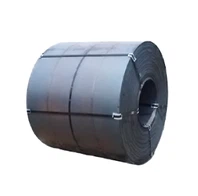
What are the storage conditions for Pipe Line Plate?
As a trusted Pipe Line Plate supplier, I understand the critical importance of proper storage conditions for maintaining the quality and integrity of our products. Pipe Line Plates are used in a wide range of applications, from oil and gas pipelines to structural projects. Ensuring they are stored correctly is essential to prevent damage, corrosion, and other issues that could compromise their performance.
Temperature and Humidity Control
One of the primary factors to consider when storing Pipe Line Plates is the temperature and humidity of the storage environment. Extreme temperatures and high humidity can accelerate the corrosion process, leading to rust and degradation of the plates.
For most Pipe Line Plates, the ideal storage temperature ranges between 10°C and 30°C (50°F and 86°F). Temperatures outside this range can cause the metal to expand or contract, which may lead to internal stresses and potential cracking. High humidity levels, especially above 60%, can also promote the formation of condensation on the surface of the plates, increasing the risk of corrosion.
To maintain the appropriate temperature and humidity levels, it is advisable to store Pipe Line Plates in a climate - controlled warehouse. This can be achieved through the use of heating, ventilation, and air - conditioning (HVAC) systems. Regular monitoring of the temperature and humidity using sensors is also crucial to ensure that the storage conditions remain within the recommended range.
Protection from Moisture and Water
Moisture is one of the biggest enemies of Pipe Line Plates. Water can cause corrosion, pitting, and other forms of damage to the metal surface. Therefore, it is essential to protect the plates from direct contact with water and excessive moisture.
When storing Pipe Line Plates outdoors, they should be covered with waterproof tarps or other protective materials. The tarps should be securely fastened to prevent water from seeping underneath. Additionally, the storage area should be well - drained to avoid the accumulation of standing water.

Indoor storage is generally preferable as it provides better protection against moisture. However, even in indoor warehouses, it is important to ensure that the floors are dry and that there are no leaks in the roof or walls. If the plates are stored on pallets, the pallets should be elevated to prevent contact with any moisture on the floor.
Avoiding Physical Damage
Pipe Line Plates are heavy and can be easily damaged if not stored properly. Physical damage can include scratches, dents, and deformation, which can affect the performance of the plates in their intended applications.
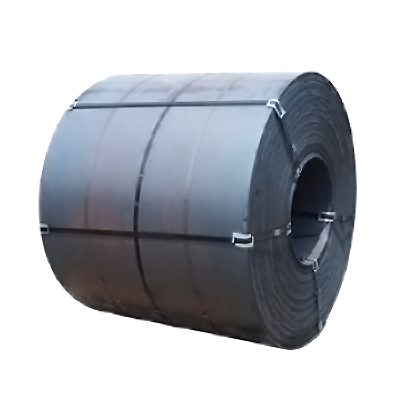
To prevent physical damage, the plates should be stored in a way that minimizes the risk of impact and abrasion. They should be stacked in a stable and organized manner, with sufficient space between each layer to prevent rubbing. When stacking the plates, it is important to ensure that the weight is evenly distributed to avoid overloading and potential collapse.
Handling equipment such as cranes and forklifts should be used with care to avoid hitting or dropping the plates. Operators should be trained to handle the plates gently and follow proper safety procedures.
Protection from Chemicals and Contaminants
Pipe Line Plates can be affected by exposure to chemicals and contaminants. For example, exposure to acids, alkalis, and salts can accelerate the corrosion process. Therefore, it is important to store the plates away from any sources of chemicals or contaminants.
In industrial settings, the storage area should be separated from areas where chemicals are used or stored. If there is a risk of chemical spills or leaks, appropriate containment measures should be in place to prevent the chemicals from reaching the Pipe Line Plates.
Regular cleaning of the storage area is also important to remove any dust, dirt, or other contaminants that may accumulate on the plates over time. This can help to maintain the surface integrity of the plates and reduce the risk of corrosion.
Specific Considerations for Different Grades of Pipe Line Plates
Different grades of Pipe Line Plates, such as LX80, LX56 Pipe Line Plate X60, and LX560, may have specific storage requirements based on their chemical composition and properties.
For example, some high - strength grades may be more susceptible to hydrogen embrittlement, which can occur in the presence of hydrogen gas. In such cases, the storage environment should be carefully controlled to minimize the risk of hydrogen exposure.
Some grades may also have specific coating requirements to enhance their corrosion resistance. These coatings should be inspected regularly during storage to ensure their integrity. If any damage to the coating is detected, appropriate measures should be taken to repair or recoat the plates.
Regular Inspection and Maintenance
Regular inspection of the Pipe Line Plates during storage is essential to detect any signs of damage, corrosion, or other issues early. Inspections should be carried out at regular intervals, and any problems should be addressed immediately.
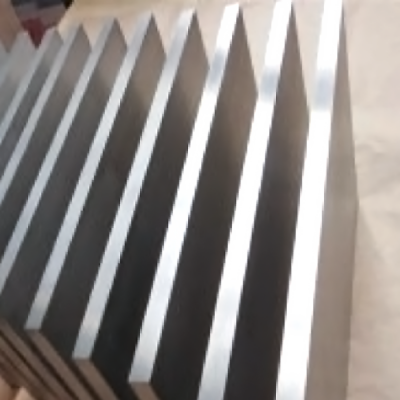
During inspections, the surface of the plates should be checked for signs of rust, scratches, dents, and deformation. The coating, if any, should also be inspected for damage or deterioration. If any issues are found, the plates should be cleaned, repaired, or treated as necessary.

In addition to inspections, regular maintenance of the storage facilities is also important. This includes checking the HVAC systems, tarps, pallets, and other storage equipment to ensure they are in good working condition.
Conclusion
Proper storage conditions are crucial for maintaining the quality and integrity of Pipe Line Plates. By controlling the temperature and humidity, protecting the plates from moisture and water, avoiding physical damage, and preventing exposure to chemicals and contaminants, we can ensure that our Pipe Line Plates remain in optimal condition until they are ready for use.
If you are in the market for high - quality Pipe Line Plates and need more information about our products or storage recommendations, please feel free to contact us for a procurement discussion. We are committed to providing you with the best products and services to meet your needs.
References
- ASTM International standards related to Pipe Line Plates.
- Industry guidelines on metal storage and corrosion prevention.
- Technical literature provided by steel manufacturers regarding Pipe Line Plate properties and storage.