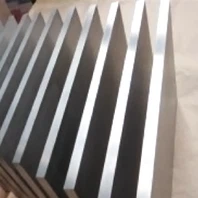
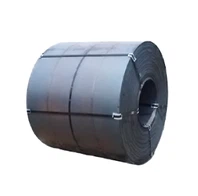
JISG3106 SM490 is a high - strength welded structural steel that has been widely used in various industries due to its excellent mechanical properties. As a reliable supplier of JISG3106 SM490, I'd like to share some insights into its machining properties.
1. Chemical Composition and Its Influence on Machining
The chemical composition of JISG3106 SM490 plays a crucial role in determining its machining properties. Generally, it contains elements such as carbon (C), silicon (Si), manganese (Mn), phosphorus (P), sulfur (S), and trace amounts of other alloying elements.
Carbon is one of the most important elements. An appropriate carbon content can ensure the strength of the steel. However, a high carbon content may increase the hardness and brittleness of the steel, which can make machining more difficult. For JISG3106 SM490, the carbon content is carefully controlled to balance strength and machinability.
Silicon is added to improve the strength and hardness of the steel. It also helps in deoxidation during the steel - making process. Manganese can enhance the hardenability and toughness of the steel. Phosphorus and sulfur are usually considered impurities, and their content is strictly limited. High levels of phosphorus can increase the brittleness of the steel, while sulfur can form sulfide inclusions, which may affect the surface finish during machining.
2. Cutting Performance
2.1 Cutting Forces
When machining JISG3106 SM490, the cutting forces are influenced by several factors. The hardness and strength of the steel determine the magnitude of the cutting forces. Compared with some low - strength steels, JISG3106 SM490 requires higher cutting forces due to its relatively high strength. However, proper tool selection and cutting parameters can help to reduce the cutting forces. For example, using sharp cutting tools with appropriate geometries can reduce the cutting resistance, thereby lowering the cutting forces.
2.2 Tool Wear
Tool wear is a significant concern in the machining of JISG3106 SM490. The high - strength nature of the steel can cause rapid wear of cutting tools. Carbide tools are commonly used for machining this steel because of their high hardness and wear resistance. Coated carbide tools, such as those with titanium nitride (TiN) or titanium carbonitride (TiCN) coatings, can further improve the tool life. These coatings reduce the friction between the tool and the workpiece, and also provide a protective layer against wear and oxidation.
2.3 Surface Finish
Achieving a good surface finish is essential in many applications. During the machining of JISG3106 SM490, factors such as cutting speed, feed rate, and depth of cut can affect the surface finish. A high - speed cutting with a small feed rate and appropriate depth of cut can generally result in a better surface finish. Additionally, the presence of inclusions in the steel can also affect the surface quality. By controlling the chemical composition and refining the steelmaking process, the number and size of inclusions can be reduced, thus improving the surface finish.

3. Machining Processes
3.1 Turning
Turning is a common machining process for JISG3106 SM490. When turning this steel, it is important to select the right cutting tools and cutting parameters. For rough turning, a larger depth of cut and feed rate can be used to remove the bulk of the material quickly. However, for finish turning, a smaller depth of cut and feed rate are required to achieve a good surface finish. The cutting speed should also be optimized according to the tool material and the diameter of the workpiece.
3.2 Milling
Milling is another important machining process. In milling JISG3106 SM490, end mills or face mills are commonly used. The cutting parameters, such as the cutting speed, feed per tooth, and axial and radial depth of cut, need to be carefully selected. High - speed milling can increase the productivity, but it also requires high - performance cutting tools. Coolant is often used during milling to reduce the cutting temperature, extend the tool life, and improve the surface finish.

3.3 Drilling
Drilling holes in JISG3106 SM490 can be challenging due to the high strength of the steel. High - speed steel (HSS) drills or carbide drills can be used. Carbide drills are more suitable for high - production drilling because of their better wear resistance. The feed rate and rotational speed of the drill should be adjusted according to the drill diameter and the material properties of the steel. Proper coolant application is also crucial to prevent the drill from overheating and to improve the hole quality.
4. Comparison with Other Steels
4.1 Comparison with High Strength Plate
When comparing JISG3106 SM490 with High Strength Plate, there are both similarities and differences. High strength plates generally have high strength and good toughness, similar to JISG3106 SM490. However, the specific chemical composition and mechanical properties may vary. Some high strength plates may be designed for specific applications, such as offshore structures or heavy machinery. In terms of machining, the cutting forces and tool wear may be similar, but the optimal cutting parameters may need to be adjusted according to the differences in material properties.
4.2 Comparison with A572GR60
A572GR60 is also a high - strength low - alloy steel. It has a similar strength level to JISG3106 SM490. However, the chemical composition of A572GR60 may differ slightly, which can affect the machining properties. For example, the alloying elements in A572GR60 may influence the hardenability and the formation of inclusions. During machining, the tool selection and cutting parameters may need to be fine - tuned based on these differences.

4.3 Comparison with A573GR58 Carbon Steel Plate A283GRC
A573GR58 Carbon Steel Plate A283GRC has a different strength level compared to JISG3106 SM490. A573GR58 is a carbon steel plate with relatively lower strength. Machining A573GR58 may require lower cutting forces and less wear - resistant tools compared to JISG3106 SM490. The surface finish may also be easier to achieve in A573GR58 due to its lower hardness.
5. Conclusion and Call to Action
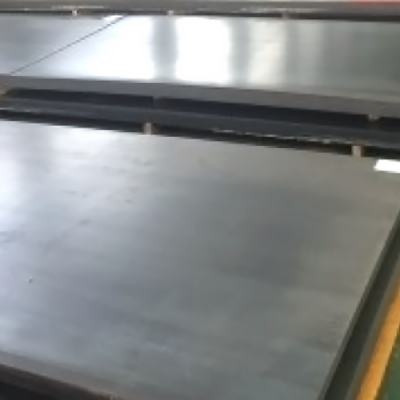
In conclusion, JISG3106 SM490 has unique machining properties that are closely related to its chemical composition and mechanical properties. Although it presents some challenges in machining, with the right selection of cutting tools, appropriate cutting parameters, and proper coolant application, efficient and high - quality machining can be achieved.
As a reliable supplier of JISG3106 SM490, we are committed to providing high - quality products that meet the strictest industry standards. Our steel products are produced with advanced manufacturing processes and strict quality control measures. If you are interested in purchasing JISG3106 SM490 or have any questions about its machining or application, please feel free to contact us for procurement discussions. We are looking forward to cooperating with you and providing you with the best solutions.
References
- ASM Handbook, Volume 16: Machining, ASM International.
- Machining Data Handbook, Third Edition, Metcut Research Associates.
- Steel Design Guide Series 24: Welded Design of Low - Carbon and High - Strength Low - Alloy Steels, American Institute of Steel Construction.