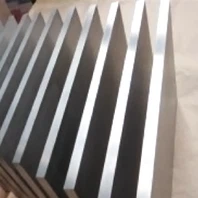
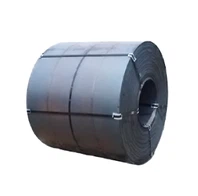
As a supplier of pipeline plate X52, I've had the privilege of working closely with this remarkable material. Pipeline plate X52 is a high - strength, low - alloy steel commonly used in the construction of pipelines for transporting oil, gas, and other fluids. Understanding its mechanical properties is crucial for both manufacturers and end - users to ensure the safety and efficiency of pipeline systems.
Tensile Strength
One of the most important mechanical properties of pipeline plate X52 is its tensile strength. Tensile strength refers to the maximum stress that a material can withstand while being stretched or pulled before breaking. For pipeline plate X52, the minimum specified yield strength is typically around 360 MPa (megapascals), and the minimum specified tensile strength is approximately 460 MPa. This high tensile strength allows the pipeline to withstand the internal pressure exerted by the transported fluids over long distances.
The high - strength nature of X52 pipeline plate is a result of its carefully controlled chemical composition and the manufacturing process. The addition of elements such as manganese, silicon, and small amounts of other alloying elements helps to enhance the strength of the steel. During the manufacturing process, techniques like controlled rolling and heat treatment are employed to optimize the microstructure of the steel, further improving its mechanical properties.
Yield Strength
Yield strength is another critical mechanical property. It represents the stress at which a material begins to deform plastically, meaning it will not return to its original shape after the load is removed. In the case of pipeline plate X52, the well - defined yield strength ensures that the pipeline can operate under normal working pressures without significant permanent deformation. This is essential for maintaining the integrity of the pipeline over its service life.
When a pipeline is in operation, it is subjected to various forces, including internal pressure, external soil pressure, and thermal stresses. The yield strength of X52 plate helps the pipeline to resist these forces and maintain its shape and functionality. If the yield strength is too low, the pipeline may deform under normal operating conditions, leading to potential leaks or failures.
Elongation
Elongation is a measure of the ability of a material to stretch before breaking. Pipeline plate X52 typically has an elongation of around 21% or more. This high elongation is beneficial as it allows the pipeline to absorb some amount of deformation without fracturing. For example, during the installation process, the pipeline may need to be bent or curved to fit the terrain. The good elongation property of X52 plate enables it to undergo these deformations without cracking.
Moreover, in the event of an earthquake or other ground - movement events, the ability of the pipeline to elongate can help it to withstand the additional stresses and strains. This reduces the risk of sudden rupture and ensures the continuous operation of the pipeline system.
Impact Toughness
Impact toughness is the ability of a material to absorb energy when subjected to a sudden impact. Pipeline plate X52 is designed to have good impact toughness, especially at low temperatures. This is crucial because pipelines are often installed in harsh environments, including cold regions where the temperature can drop significantly.
The impact toughness of X52 plate is typically measured using the Charpy V - notch test. In this test, a specimen with a V - shaped notch is struck by a pendulum, and the energy absorbed during the fracture is measured. A high impact - toughness value indicates that the material can withstand sudden shocks without brittle fracture. This property is essential for ensuring the safety of the pipeline, as it reduces the risk of catastrophic failure due to impacts from external sources such as rocks or equipment during construction or operation.


Hardness
Hardness is a measure of a material's resistance to indentation, scratching, or wear. Pipeline plate X52 has a suitable hardness level that provides a good balance between wear resistance and formability. A certain level of hardness is required to resist abrasion from the transported fluids, especially if they contain solid particles. At the same time, the plate needs to be soft enough to be formed into the desired pipeline shape during manufacturing.
The hardness of X52 plate can be controlled through the choice of chemical composition and heat - treatment processes. By carefully adjusting these factors, manufacturers can ensure that the plate meets the specific hardness requirements for different pipeline applications.
Comparison with Other Pipeline Plates
When comparing pipeline plate X52 with other pipeline plates such as LX80 and LX70, X52 offers a good combination of strength, ductility, and cost - effectiveness. LX80 and LX70 may have higher strength levels, but they also tend to be more expensive. X52 is a popular choice for many pipeline projects where a balance between performance and cost is needed.
For smaller - scale or less - demanding pipeline applications, X52 can provide sufficient mechanical properties at a lower cost. However, for high - pressure or long - distance pipelines, higher - grade plates like LX80 or LX70 may be more appropriate.
Manufacturing Process and Quality Control
At our Pipe Line Plate Factory, we follow strict manufacturing processes to ensure the high quality of our pipeline plate X52. The manufacturing starts with the selection of high - quality raw materials. The steel is then melted in electric arc furnaces or basic oxygen furnaces, where the chemical composition is carefully controlled.
After melting, the steel is continuously cast into slabs. These slabs are then reheated and hot - rolled to the desired thickness and width. During the rolling process, the temperature, rolling speed, and reduction ratio are precisely controlled to achieve the optimal microstructure and mechanical properties.
Quality control is an integral part of our manufacturing process. We conduct a series of tests on the finished pipeline plates, including chemical analysis, mechanical property testing, and non - destructive testing. These tests ensure that each plate meets the relevant industry standards and customer requirements.
Conclusion
In conclusion, pipeline plate X52 has a range of excellent mechanical properties, including high tensile and yield strength, good elongation, impact toughness, and suitable hardness. These properties make it a reliable choice for a wide range of pipeline applications. Whether it is used for transporting oil, gas, or other fluids, X52 plate can provide the necessary strength and durability to ensure the safe and efficient operation of the pipeline system.
If you are in the market for high - quality pipeline plate X52, I encourage you to reach out to us for further discussions. We are committed to providing the best products and services to meet your specific pipeline needs. Our team of experts can assist you in selecting the right material and ensuring a smooth procurement process. Contact us today to start the conversation about your pipeline plate requirements.
References
- ASME B31.4 - 2019, “Pipeline Transportation Systems for Liquid Hydrocarbons and Other Liquids”.
- API 5L - 2020, “Specification for Line Pipe”.
- ASTM A6/A6M - 20, “Standard Specification for General Requirements for Rolled Structural Steel Bars, Plates, Shapes, and Sheet Piling”.