What are the mechanical properties of Pipe Line Plate?
As a supplier of pipe line plates, I've witnessed firsthand the crucial role these materials play in various industries, from oil and gas to water transportation. Understanding the mechanical properties of pipe line plates is essential for ensuring the safety, reliability, and efficiency of pipelines. In this blog post, I'll delve into the key mechanical properties of pipe line plates and why they matter.
Tensile Strength
Tensile strength is one of the most important mechanical properties of pipe line plates. It measures the maximum stress a material can withstand before breaking under tension. High tensile strength is crucial for pipe line plates as they need to resist the internal pressure of the fluid or gas being transported, as well as external forces such as soil pressure and seismic activity.
Our LX80 pipe line plates, for example, are known for their exceptional tensile strength. This high-strength grade is suitable for use in high-pressure pipelines, where the ability to withstand large forces is essential. The tensile strength of LX80 ensures that the pipeline can operate safely and efficiently, even under extreme conditions.
Yield Strength
Yield strength is the stress at which a material begins to deform plastically. In other words, it's the point at which the material no longer returns to its original shape after the stress is removed. For pipe line plates, yield strength is important because it determines the maximum pressure the pipeline can handle without permanent deformation.
Our LX52 Pipe Line Plate X52 offers a good balance of yield strength and ductility. This makes it a popular choice for a wide range of pipeline applications, from low-pressure water pipelines to medium-pressure oil and gas pipelines. The yield strength of LX52 ensures that the pipeline can maintain its integrity under normal operating conditions, while its ductility allows it to withstand some degree of deformation without failure.
Elongation
Elongation is a measure of the ability of a material to stretch before breaking. It's expressed as a percentage of the original length of the material. High elongation is desirable for pipe line plates because it indicates that the material is ductile and can absorb energy without fracturing.
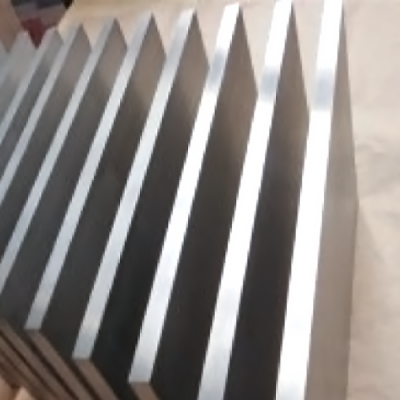
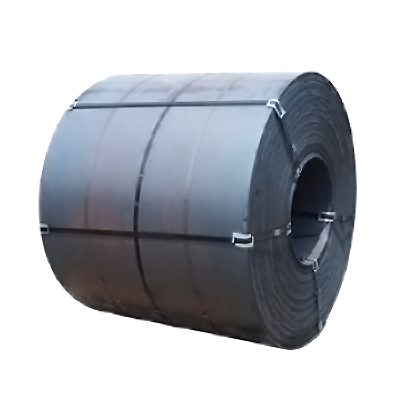
When a pipeline is subjected to external forces, such as ground movement or impact, the pipe line plates need to be able to deform without breaking. Our LX65 pipe line plates have excellent elongation properties, which make them suitable for use in areas with high seismic activity or where the pipeline may be exposed to mechanical damage. The high elongation of LX65 ensures that the pipeline can withstand these forces and continue to operate safely.
Impact Toughness
Impact toughness is the ability of a material to absorb energy during impact loading. It's an important property for pipe line plates, especially in cold environments or where the pipeline may be subjected to sudden shocks.
In cold climates, the ductility of materials can decrease, making them more prone to brittle fracture. Our pipe line plates are designed to have high impact toughness, even at low temperatures. This ensures that the pipeline can withstand sudden impacts, such as those caused by falling objects or equipment, without cracking or breaking.
Hardness
Hardness is a measure of a material's resistance to indentation or scratching. While hardness is not as critical for pipe line plates as tensile strength or yield strength, it can still play a role in their performance.
A harder pipe line plate may be more resistant to wear and abrasion, which can be beneficial in applications where the pipeline is exposed to abrasive materials, such as sand or gravel. However, it's important to note that increasing the hardness of a material can also reduce its ductility and impact toughness. Therefore, a balance needs to be struck between hardness and other mechanical properties.
Factors Affecting Mechanical Properties
The mechanical properties of pipe line plates can be affected by several factors, including the chemical composition of the steel, the manufacturing process, and the heat treatment.
- Chemical Composition: The addition of alloying elements such as carbon, manganese, nickel, and chromium can significantly improve the mechanical properties of pipe line plates. For example, increasing the carbon content can increase the strength of the steel, but it can also reduce its ductility.
- Manufacturing Process: The way the pipe line plates are manufactured, such as rolling or forging, can also affect their mechanical properties. Rolling, for example, can improve the grain structure of the steel, resulting in better mechanical properties.
- Heat Treatment: Heat treatment processes, such as quenching and tempering, can be used to further enhance the mechanical properties of pipe line plates. Quenching can increase the hardness and strength of the steel, while tempering can improve its ductility and toughness.
Importance of Mechanical Properties in Pipeline Design
The mechanical properties of pipe line plates are crucial in pipeline design. Engineers need to select the appropriate grade of pipe line plate based on the specific requirements of the pipeline, such as the operating pressure, temperature, and environmental conditions.
For example, in a high-pressure gas pipeline, a pipe line plate with high tensile strength and yield strength would be required. On the other hand, in a water pipeline located in a seismic zone, a pipe line plate with high elongation and impact toughness would be more suitable.
By understanding the mechanical properties of pipe line plates and how they are affected by different factors, engineers can design pipelines that are safe, reliable, and cost-effective.
Conclusion
In conclusion, the mechanical properties of pipe line plates, including tensile strength, yield strength, elongation, impact toughness, and hardness, are essential for the safe and efficient operation of pipelines. As a supplier of pipe line plates, we are committed to providing high-quality products that meet the specific needs of our customers.
If you're in the market for pipe line plates, I encourage you to contact us to discuss your requirements. Our team of experts can help you select the right grade of pipe line plate based on your pipeline's operating conditions and design specifications. We look forward to working with you to ensure the success of your pipeline project.
References
- ASME B31.4 - Pipeline Transportation Systems for Liquid Hydrocarbons and Other Liquids
- API 5L - Specification for Line Pipe
- ISO 3183 - Petroleum and natural gas industries — Steel pipe for pipelines — Technical delivery conditions